Victoria tables 13 amendments to state's VAD laws
Telehealth consultations for VAD will still not be permitted and the option will remain unavailable to patients with dementia
Health practitioners are set to gain improved freedoms in discussing end-of-life options, as the Allan Labor Government introduces significant amendments to the state’s voluntary assisted dying (VAD) laws.
Legislation tabled in state parliament last week contains 13 proposed amendments to the laws, including the removal of the current ‘gag clause’ prohibiting doctors from initiating conversations about VAD with their patients.
The changes aim to make the process clearer and more compassionate for terminally ill Victorians, and means health practitioners can take a proactive approach to discussing end-of-life options as part of a patient's ethical and comprehensive care plan.
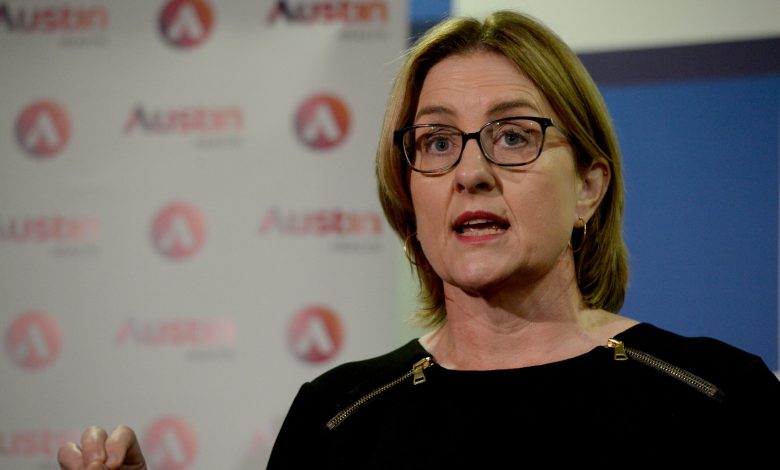
Premier Jacinta Allan said people who are terminally ill and in pain “deserve the choice to live out their last days with dignity.”
“Under our government, Victoria was the first state to introduce voluntary assisted dying – now we’re reforming it to make it clearer and more compassionate for patients and their families, while keeping the safeguards secure,” she said.
Proposed legislation changes include:
- Allowing health practitioners to raise VAD with patients during discussions about end-of-life options.
- Requiring health practitioners who conscientiously object to provide minimum information.
- Extending the prognosis requirement (life expectancy limit for eligibility) from six months to 12 months.
- Removing the need for a third prognosis for people with neurodegenerative diseases if their life expectancy is between six and 12 months.
- Introducing a new administering practitioner role to expand the workforce able to support VAD.
The state was the first state to legalise VAD in 2017, and since its commencement in 2019, 1,683 terminally ill Victorians have made their own decisions about their death.
An independent review into the first five years of VAD found the service is operating safely and as intended, but also identified challenges in accessing VAD.
The proposed amendments seek to address these challenges, aligning Victoria’s framework with improvements seen in other states that have since introduced similar legislation.
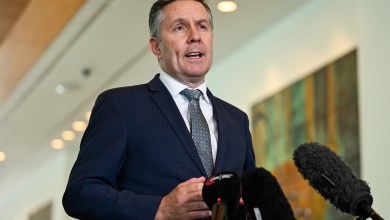
Health Minister Mary-Anne Thomas said the Allan government is working to bring Victoria's VAD laws “into line with other states.”
“We’ve listened to doctors who have told us they want to have open, honest conversations with patients about all their end-of-life options, so they can make safe and informed decisions,” she said.
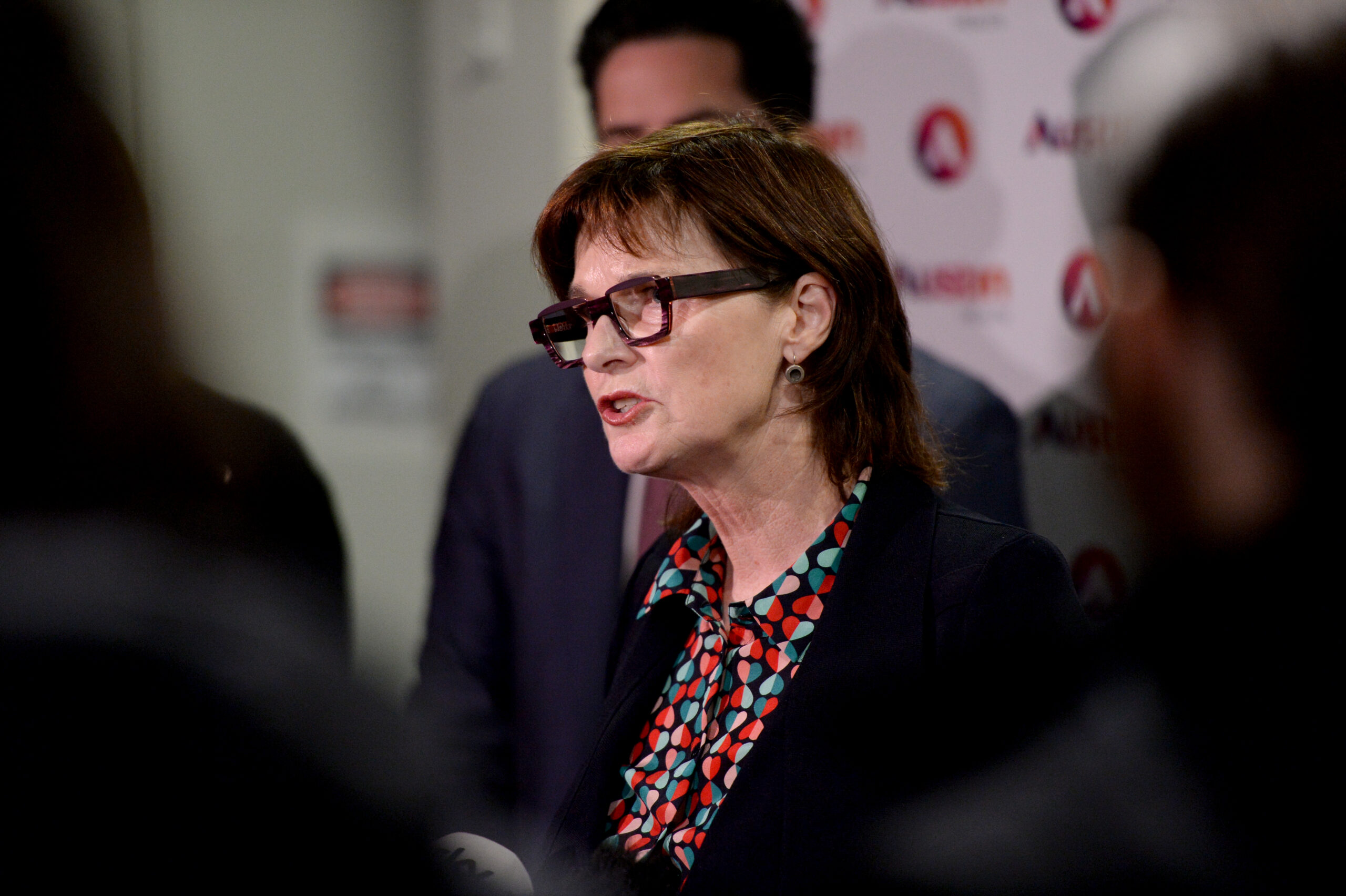
Previously, health practitioners could not raise VAD unless the patient first brought up the conversation. Removing this law, Minister Thomas said, will allow “more Victorians can live out their final days on their own terms.”
The extension of the prognosis requirement also broadens access for more terminally ill individuals, extending the life expectancy limit for eligibility from six months to a year.
The Royal Australian College of GPs (RACGP) has backed the changes, confirming that the organisation supports patient-centred decisions on end-of-life care, including palliative care and VAD.
“Every patient, no matter their postcode, deserves to die with dignity and not have to experience unnecessary suffering in their last weeks and months,” RACGP Victoria chair Dr Anita Muñoz said.
“Voluntary assisted dying is an emotive and, at times, divisive issue, and I’m mindful that there are a range of different views within general practice and the larger community.
“Since the inception of the state’s scheme, too many people living outside of major cities have faced unfair obstacles that limit their capacity to access voluntary assisted dying.
“Patients in excruciating pain who are immobile and only want to end their suffering have had to travel many hours to consult with non-GP specialists ,such as oncologists.
“By ending that requirement, we can ensure that voluntary assisted dying is accessible for terminally ill people in rural and remote communities across Victoria.”
In a significant workforce expansion measure, the Victorian government has also introduced a new administering practitioner role in a bid to broaden the pool of health professionals able to support VAD, potentially involving a wider range of nurses and midwives in the process.
“We welcome the introduction of a new administering practitioner role to expand the workforce able to support voluntary assisted dying, and the college looks forward to working closely with the government to better understand the finer points of this reform and the role of GPs and practice teams,” Dr Muñoz said.
Despite the proposed changes, Premier Allan has affirmed that strong safeguards will remain a cornerstone of Victoria’s approach to end-of-life care.
These measures will ensure that decisions are voluntary, individuals retain decision-making capacity, and are free from coercion.
Telehealth consultations for VAD will still not be permitted, as this requires changes to federal laws. Furthermore, the option for patients with dementia to access VAD has been given no consideration.
“The number of Victorians who are living with dementia will continue to increase as we continue to live longer, but there is still so much we don’t know about dementia,” Minister Thomas said.
“Fundamental to our laws is that the person retains decision making capacity at every step of the way, that cannot be said of a person living with dementia.”
Go Gentle chief Dr Linda Swan said that the “practical, modest reforms” will help ensure that more eligible Victorians can access end-of-life care that respects their wishes and preserves their dignity.
“These updates are about removing unnecessary barriers that prevent eligible people from accessing a legal, end-of-life choice,” she said.
“Bringing Victoria’s law in line with other states will ensure the system remains safe, fair, and accessible while retaining its core objective to support compassionate end-of-life care.”
“VAD continues to operate safely and with deep humanity. But after five years of national experience, it’s clear that some safeguards have unintentionally become obstacles. We’ve heard too many heartbreaking stories of Victorians denied access due to overly rigid rules.”
Email: rebecca.cox@news.com.au