Voluntary assisted dying laws working, but barriers remain
A new report warns the system is approaching a critical inflection point, with demand rising faster than workforce capacity
Australia’s voluntary assisted dying (VAD) laws are delivering on their promise to relieve suffering and give terminally ill people greater control at the end of life, but significant structural and workforce barriers continue to limit equitable access, according to new national data and emerging research.
The 2026 State of VAD report, released by Go Gentle Australia, shows that since VAD was first legalised in Victoria in 2019, across the country 14,000 people have applied and more than 7,000 Australians have died using a VAD substance. Demand continues to rise sharply, with VAD activity increasing by around 40 per cent in 2024–25, particularly in Tasmania, Western Australia, South Australia and Queensland.
VAD now accounts for around two to three per cent of all deaths nationally, including five per cent of cancer deaths and one in three motor neurone disease (MND) deaths. A typical applicant is in their 70s, has terminal cancer and is already receiving palliative care.
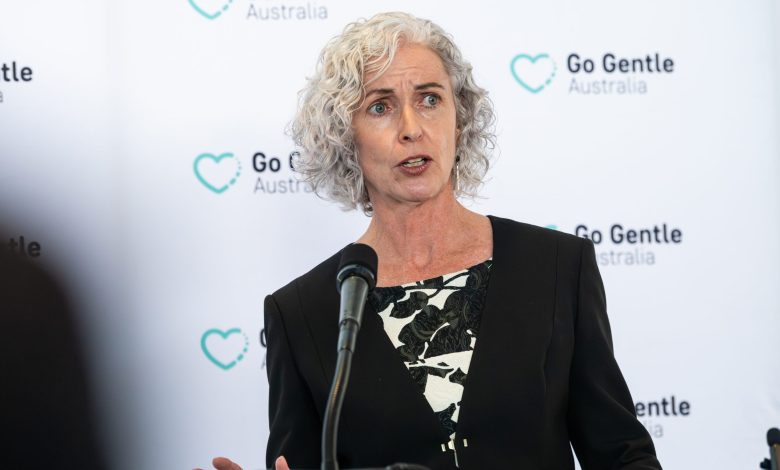
Go Gentle Australia chief Dr Linda Swan described VAD as “a public policy success story”, with the report finding near‑universal compliance with legislation and high levels of compassion and integrity in service delivery.
Regulators report that the few instances of non‑compliance were administrative and did not affect patient safety.
However, the report also warns that the system is approaching a critical inflection point, with demand rising faster than workforce capacity. Although 1600 clinicians are now trained to provide VAD, fewer than half have participated in VAD care during the past year. Of those who have, many work after hours or on weekends with little or no remuneration.
“Funding shortfalls and inadequate remuneration place strain on providers,” Dr Swan said.
“As more people ask for access to VAD, we must ensure the system is properly resourced to support both patients and clinicians.”
Major barriers to access
The report identifies federal laws as one of the most significant obstacles to equitable access. The Commonwealth Criminal Code currently prohibits the use of telehealth or electronic communications in VAD discussions.
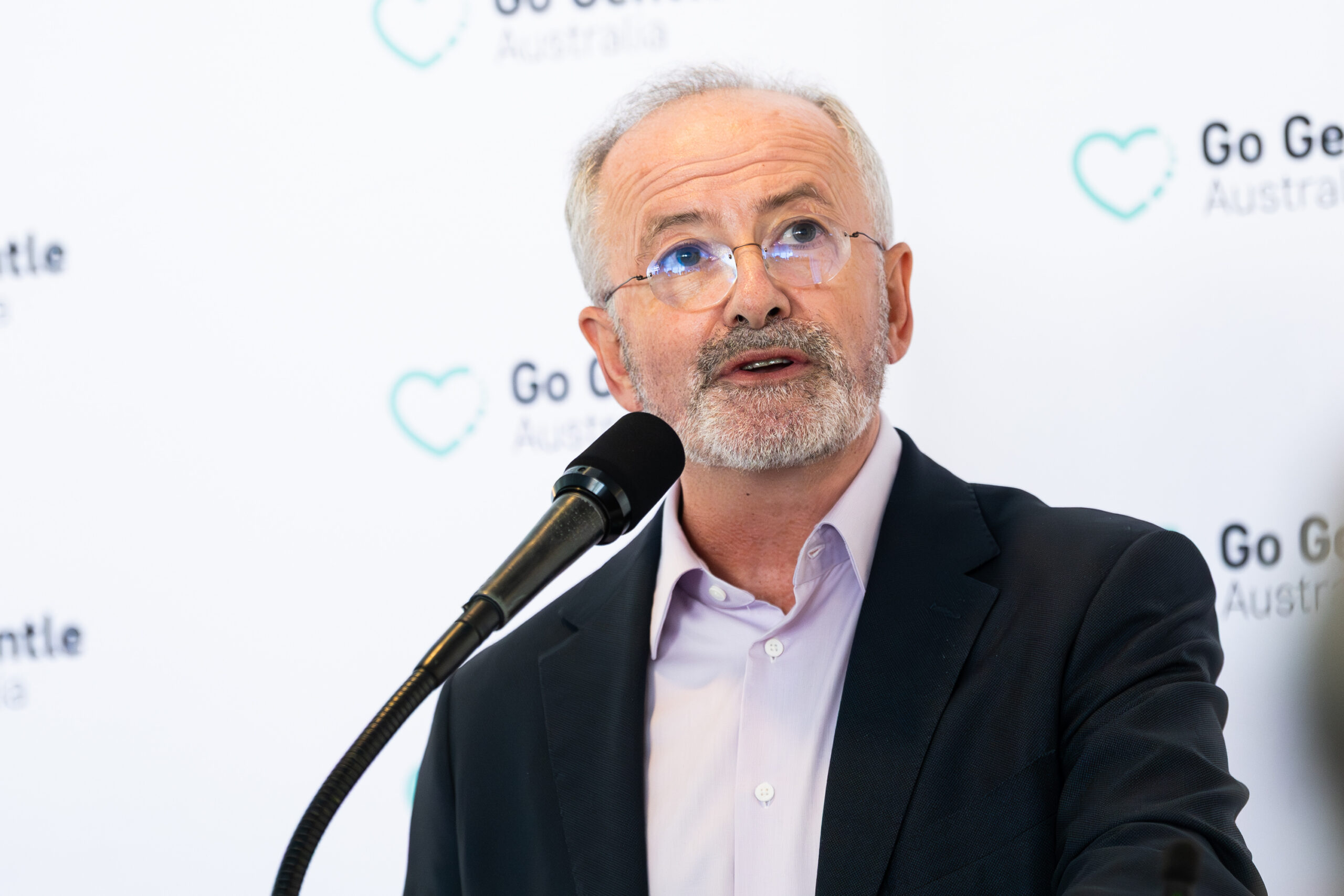
Go Gentle founding director Andrew Denton said the ban forces dying people, particularly in regional and remote areas, to travel long distances for in‑person appointments.
“It is unreasonable and cruel,” he said.
“It is a simple one-line fix to amend the Commonwealth Criminal Code to allow the use of electronic communications in VAD provision. It is an equity issue, but there appears to be resistance at very senior levels of the federal government, based on outdated views.”
The report also highlights ongoing obstruction by some individuals and institutions who refuse to participate in VAD.
While conscientious objection is protected, Mr Denton said obstruction “causes serious distress and harm” and breaches professional standards.
The report also reveals that the levels of complexity in the VAD remain a major barrier. The multi‑step assessment and approval process can be difficult to navigate, particularly for people who are very unwell. This may explain why up to 40 per cent of people who begin the VAD process do not complete it.
Other barriers include difficulty finding trained practitioners, especially outside major cities, and limited public awareness, with surveys showing only one in three Australians know VAD is legal.
GPs face challenges
Recent Queensland University of Technology‑led research published in the Australian Journal of General Practice reinforces concerns about workforce sustainability.
The study, based on interviews with 12 Queensland GPs, found that while they are well placed to support VAD – due to their holistic, long‑term relationships with patients – many face significant hurdles.
Lead author Dr Laura Ley Greaves said GPs reported dealing with complex paperwork, fear of making mistakes, confusion about eligibility, and a lack of remuneration as some of the barriers. Queensland’s centralised model means 90 per cent of VAD occur within the public health system, limiting opportunities for community‑based GPs to participate.
“A broader GP workforce could help ease pressure on the public system and improve continuity of care for patients,” she said.
“But that will only be possible if structural and financial barriers are addressed.”
Co‑author Dr Rachel Feeney said even GPs who do not intend to become authorised VAD practitioners need better education.
“GPs reported ongoing confusion about what VAD involves and how to discuss it appropriately,” she said.
The study found rural GPs face additional challenges, including limited access to training and funding support.
Milestones and warning signs
The 2024–25 period saw several major developments in VAD across Australia and New Zealand, including:
- the first statutory reviews of VAD laws in New Zealand, Western Australia and Victoria
- legislative improvements in Victoria to expand eligibility and harmonise systems
- the first public VAD data from the ACT
- the Northern Territory’s commitment to draft VAD legislation in 2026.
Despite progress, the report warns that VAD services are under strain, with a small and highly concentrated clinical workforce managing heavy workloads. Without urgent investment, oversight bodies caution that demand may soon exceed capacity.
What needs to change
The report calls for several reforms, including:
- streamlining bureaucratic processes
- recognising VAD within national end‑of‑life care standards
- amending the Commonwealth Criminal Code to allow telehealth
- boosting workforce numbers and remuneration
- improving public awareness
- providing clear guidance to hospitals, hospices and aged care facilities.
“People can only benefit from the VAD choice if they know it exists,” Dr Swan said.
“Governments and health information providers must play a greater role to make sure people are aware of and informed about their end-of-life options.”
Email: rebecca.cox@news.com.au