National guidelines urge yearly frailty checks for over‑65s
The framework is endorsed by 77 healthcare experts and six older adults with lived experience
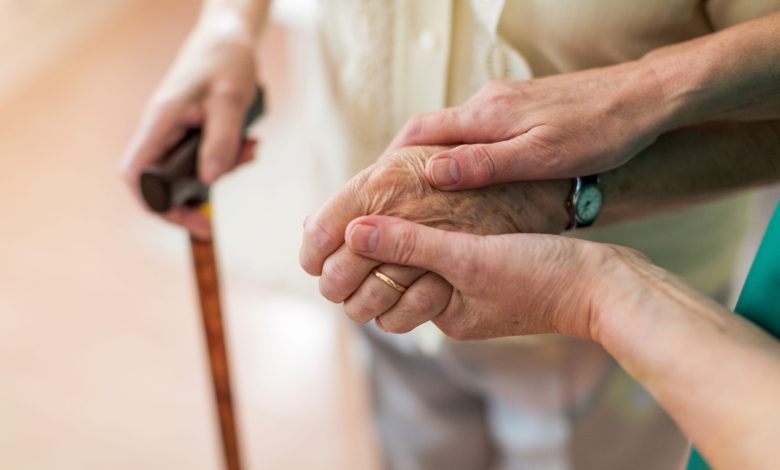
Ageing researchers have released the nation’s first consensus‑based framework to prevent and manage frailty, calling for annual screening for everyone aged over 65 and a stronger focus on nutrition, exercise and social engagement to help older adults stay healthier for longer.
The Australian Consensus Statement was developed by University of Queensland (UQ) researchers in partnership with the Australian Frailty Network and commissioned by the Queensland Health Reform Office. It outlines 19 recommendations designed to guide clinicians, policymakers and health providers on the prevention and management of frailty among community-dwelling older adults.
The framework is endorsed by 77 healthcare experts and six older adults with lived experience.
Dr Sakshi Chopra, from UQ’s Frazer Institute, said the framework fills a critical gap in Australia’s approach to healthy ageing and aims to reduce long‑term complications while easing pressure on the health system.
“We have developed 19 consensus statements to guide frailty prevention and management and enhance quality of life for adults over 65 years,” Dr Chopra said.
“By raising awareness and providing guidance to healthcare practices, we hope the framework will empower healthcare professionals and the public to recognise early signs and take action.”
Frailty is defined as a syndrome marked by declining physical and cognitive function and reduced resilience to illness or injury. It affects more than 20 per cent of Australians over 65 and prevalence is expected to rise sharply as the population ages.
A central recommendation of the framework is annual frailty screening, paired with personalised counselling on health behaviours. It emphasises that frailty is dynamic and potentially reversible, particularly when identified early.
“We have further categorised the pillars to support the management of mild, moderate and severe frailty – something that has not been attempted before,” Dr Chopra said.
“We want everyone to take a lifelong approach to frailty prevention, and these pillars can be applied to people of all ages.”
Nutrition is a major focus, with evidence showing that a protein‑rich diet can help delay frailty by supporting muscle maintenance and counteracting age‑related anabolic resistance.
The researchers highlight the benefits of Mediterranean‑style eating patterns and warn that high consumption of ultra‑processed foods increases frailty risk. Dietitians are encouraged to deliver culturally appropriate, tailored nutrition plans, particularly for older adults with severe frailty.
Exercise is described as one of the most effective tools for preventing, delaying and even reversing frailty. The framework recommends regular aerobic activity, resistance training and balance exercises, with programs tailored to an individual’s frailty level.
People with mild frailty may exercise independently, while those with moderate to severe frailty benefit from supervised programs, including hydrotherapy and structured resistance training. Research shows that combining exercise with nutritional and other supports is more effective than single‑intervention approaches.
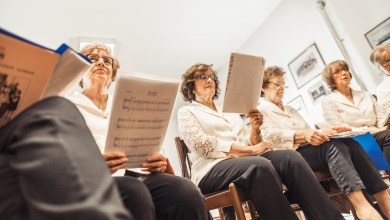
The framework also calls for social prescribing to help older adults engage in meaningful, culturally appropriate activities with the aim of reducing isolation and maintaining function.
Regular medication reviews are recommended to minimise harm, reduce polypharmacy and support independence, which can be a prominent issue for older adults with multiple chronic conditions.
For people living with severe frailty, the framework recommends personalised care plans that involve carers in decision making, support advance care planning, and ensure high‑quality end‑of‑life care. The also recommend that these are regularly reviewed.
The framework aims to reduce avoidable hospitalisations, support independence and ease pressure on aged care and health services, while giving clinicians clearer guidance on tailoring care to mild, moderate and severe frailty.
Professor Ruth Hubbard, director of the Australian Frailty Network, said the framework reflects a shared commitment to improving outcomes for older Australians.
“In order to optimise the health and quality of life of older people, it is important for frailty to be prevented and, if it does occur, for it to be managed appropriately,” Professor Hubbard said.
“Evidence supports the effectiveness of multicomponent interventions, and our 19 consensus statements are guided by the six pillars to improve health outcomes for adults across the spectrum of health – from robust to severely frail.”
Email: rebecca.cox@news.com.au