
Monash seeks community input on new national dementia care guidelines
The university said lived‑experience voices has shaped the first dementia guideline overhaul since 2016
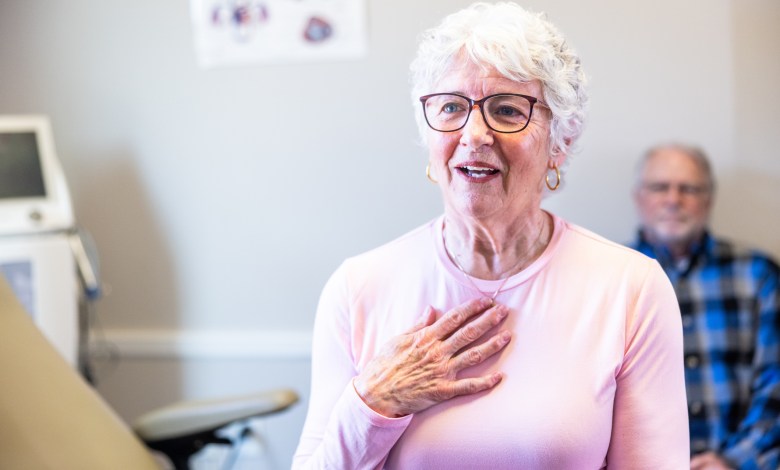
Monash University has opened public consultation on the first major update to the national Dementia Clinical Practice Guidelines in more than a decade. It is inviting healthcare professionals, people with dementia, carers and the wider community to help shape the next generation of dementia care.
The draft guidelines are designed to reflect the significant advances in dementia diagnosis, treatment and support since the last update in 2016. They examine new therapies alongside non‑medication strategies, physical and cognitive rehabilitation, deprescribing, driving assessments, end‑of‑life communication and emerging diagnostic tools such as blood‑based biomarkers and advanced brain imaging.
In 2024, the Department of Health, Disability and Ageing committed to review and update clinical practice guidelines and principles of care for people living with dementia every three to five years as part of the government’s National Dementia Action Plan.
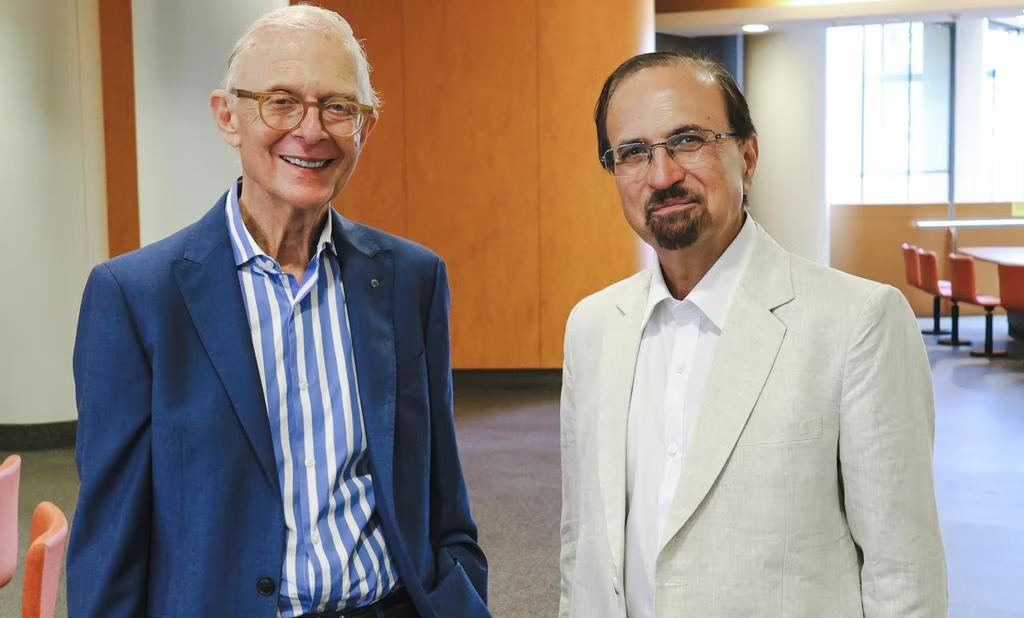
This revision is co‑chaired by Professor Velandai Srikanth, director of the National Centre for Healthy Ageing, and Professor Simon Bell, director of the Centre for Medicine Use and Safety.
“The landscape of dementia care has shifted significantly since 2016, particularly with advances in diagnostics and emerging treatments – and this draft aims to ensure health professionals are equipped with the most current evidence to support their patients,” Professor Srikanth said.
A multidisciplinary Guideline Development Group focused on 15 high‑priority clinical questions, while an 11‑member Living Experience Advisory Group, comprising people with dementia and current or former carers, helped ensure the recommendations remain grounded in lived experience.
Professor Bell said the next phase of the project will rely heavily on community input.
“We have developed the Guidelines with input from people who deliver and receive care at all stages,” he said.
“Through the public consultation process, we look forward to further feedback from people with dementia, clinicians, support organisations and the broader community.”
More than 425,000 Australians currently live with dementia, a figure expected to rise to 1.1 million by 2065. Dementia care already accounts for $4.7 billion in annual health and aged care spending, with indirect costs projected to reach $9 billion by 2036.
While the guidelines are primarily designed for clinicians, Monash University has said people living with dementia and their carers will also be able to use the finalised framework to make informed decisions about care and support.
The draft guidelines are now available for public review, until July 6 2026.
Email: rebecca.cox@news.com.au




Having worked as a clinician in aged care for over a decade, (including director/manager of a nursing home) I recall how often the diagnosis of ‘dementia’ was used without evidence or details regarding the type of dementia. I believe it is important to verify the following details:
who diagnosed it?
when was it diagnosed?
how was it diagnosed?
what type of dementia is it?
Also, in my experience, the ‘average’ general practitioner may have had a one hour education session on dementia throughout their undergraduate education; others may have had none. As nursing home residents rely on their GP for their day to day medical care, it is important that a referral to a geriatrician is considered before the ‘dementia label’ is used. Medication should then be prescribed in consultation with a geriatrician so that the type of medication is appropriate for the type of dementia. Antipsychotic medication is often used for residents with dementia (who do not necessarily have psychosis), resulting in excessive drowsiness leading to confusion and falls. As dementia has become a leading cause of death, it is every person’s right to have it properly diagnosed and treated in accordance with best practice. Treatment may not necessarily include drugs. Rather, education for family and carers should be provided, including practical guidelines for responding to the behavioural issues associated with dementia. Dementia is far more complex than ‘old age forgetfulness’; hence the need for expert oversight, including comprehensive diagnosis, treatment and prognosis. Support for relatives/carers is vitally important; whether the person is at home or in a care facility. When dementia is acknowledged as a life-threatening, incurable disease of the brain, the person/s affected deserve the best evidence-based care available, including palliative care at the end of life. Their carers must be provided with nothing less.