UNSW researchers identify genes linked to vascular dementia risk
Vascular dementia is the second most common form of dementia worldwide, accounting for around 15 to 20 per cent of all cases

Australian researchers have identified several promising biological targets that could guide the development of future treatments for vascular dementia, a common but currently untreatable form of dementia affecting thousands of older Australians.
The study, led by scientists at the University of NSW Centre for Healthy Brain Ageing (CHeBA) and published in Alzheimer’s & Dementia: Translational Research & Clinical Interventions, used advanced genetic techniques to pinpoint genes that may play a causal role in the disease.
Vascular dementia, caused by damage to blood vessels in the brain, is the second most common form of dementia worldwide, accounting for up to one in five cases. Despite its prevalence, there are no approved treatments in Australia.
Lead author Dr Matthew Lennon said the findings represent an early but important step toward understanding how the disease develops, and how it might eventually be treated.
“Vascular dementia is a major and growing public health problem. It affects memory, thinking, and function, yet we have no effective treatments to stop or slow its progression,” he said.
“Our study provides an initial step by identifying biologically plausible targets that could inform future research into therapies.”
The research team used a genetics‑led method known as Mendelian randomisation to analyse more than 12,000 potentially “druggable” genes whose protein products could be targeted by medications. By drawing on large‑scale genetic datasets from hundreds of thousands of people, the researchers identified four genes linked to vascular dementia risk: APOE, TOMM40, ERAP and SAA1‑4.
Two of the genes, APOE and TOMM40, are already well‑known for their role in brain health and dementia. The other two, ERAP and SAA1‑4, are emerging targets associated with inflammation and immune processes.
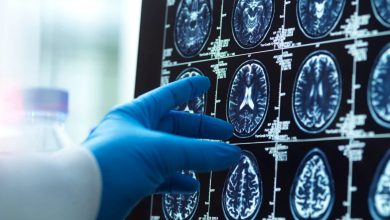
Importantly, APOE and TOMM40 were also linked to brain imaging markers of small vessel disease, a key contributor to both vascular dementia and Alzheimer’s disease, strengthening the evidence that these genes are involved in underlying disease mechanisms.
While the findings open new avenues for research, the authors emphasise that translating genetic discoveries into treatments is a long and complex process.
Unlike Alzheimer’s disease, where several treatments exist and more are in development, vascular dementia research has lagged behind, leaving patients with limited options.
“Managing risk factors like blood pressure and cholesterol helps, but it’s not enough,” Dr Lennon said.
“Even under ideal conditions, prevention strategies may only reduce dementia risk by less than half. We urgently need new avenues for research into targeted treatments.”
The study’s insights could eventually support drug development, help identify existing medications that might be repurposed, and improve understanding of how vascular and Alzheimer’s disease processes overlap. But the researchers stress that substantial further work is needed, including laboratory studies, additional genetic analyses and clinical trials.
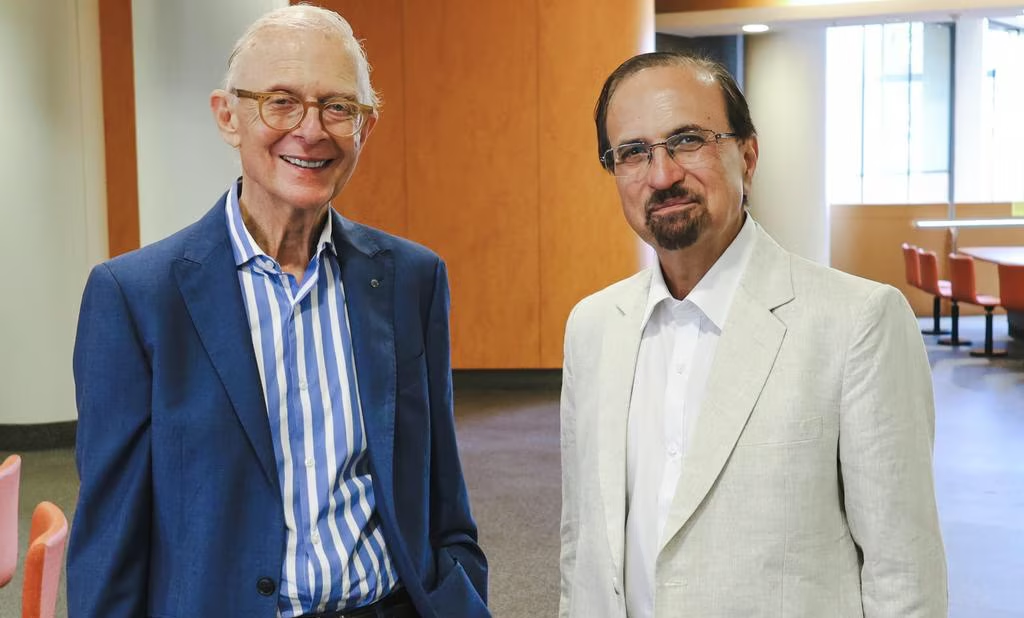
CHeBA co‑director Professor Perminder Sachdev said the findings highlight the value of genetics‑led approaches.
“At a time when vascular dementia remains a major unmet medical need, this study highlights the potential of genetics-led research to uncover new treatment pathways and bring hope for future therapies,” he said.
Email: rebecca.cox@news.com.au