New partnership brings dementia education to Aboriginal communities
Rates of dementia among First Nations people in remote and rural areas are three to five times higher than in the general population
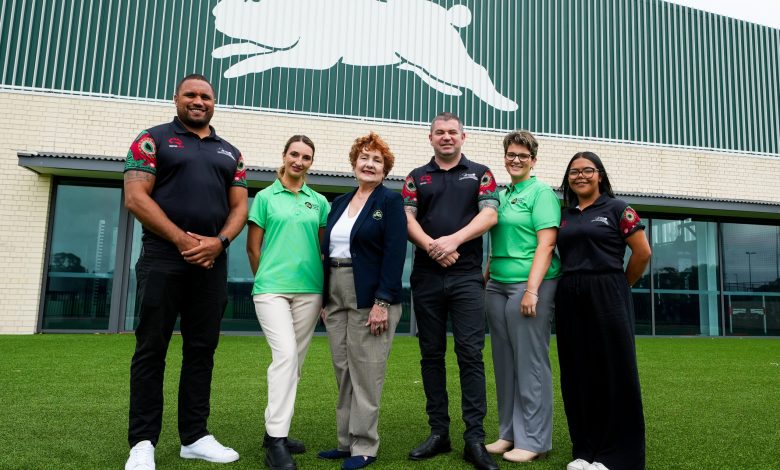
Dementia Training Australia (DTA) has launched a national partnership with Souths Cares to expand dementia education across Aboriginal and Torres Strait Islander communities, responding to an urgent and growing health challenge.
Rates of dementia among First Nations people in remote and rural areas are three to five times higher than in the general population. Yet many communities face significant barriers to diagnosis and support, including long travel distances, limited culturally appropriate services, and deep‑rooted fears about leaving home for medical care.
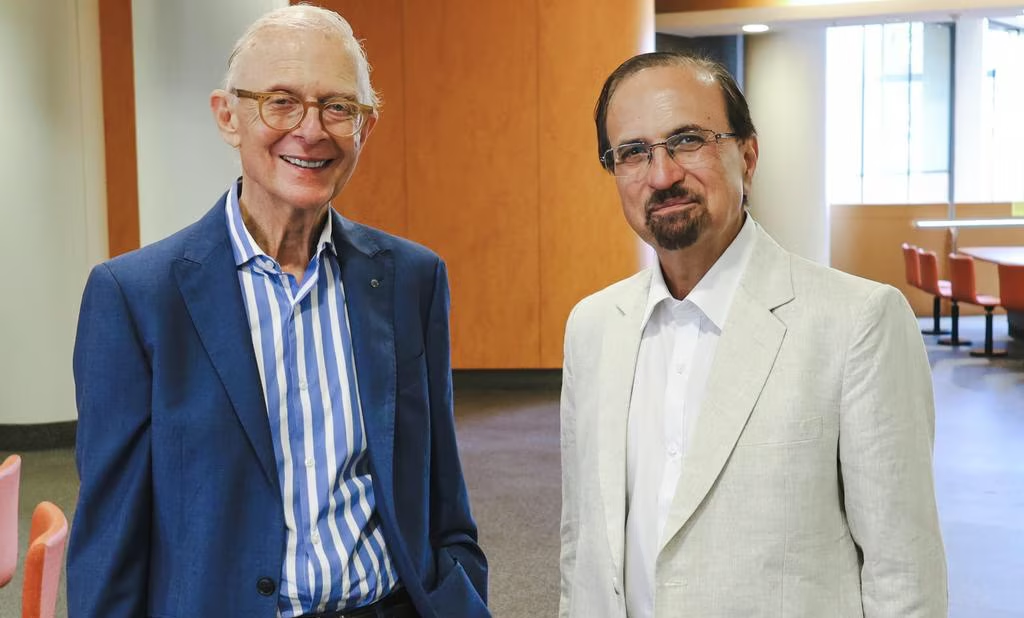
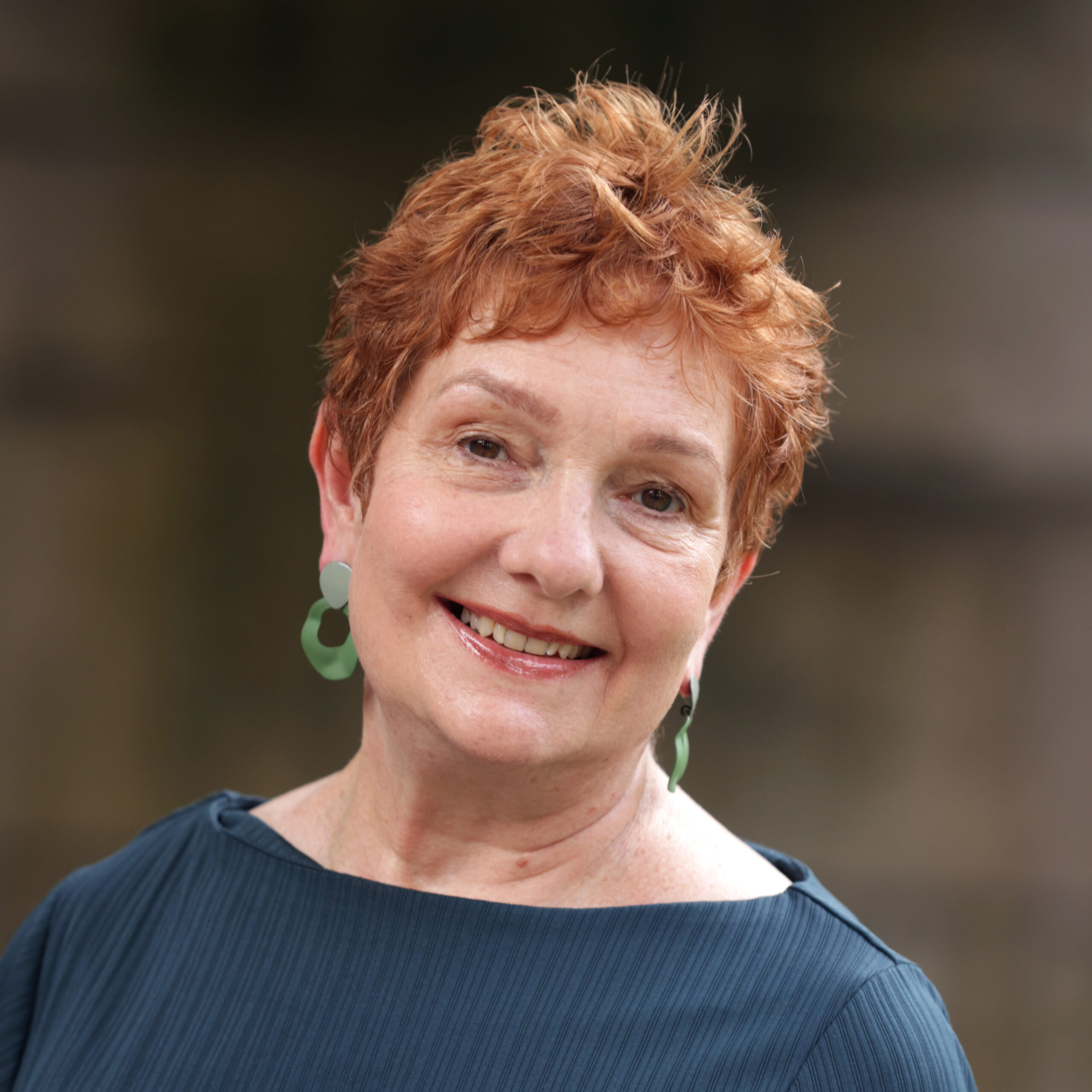
DTA executive director Dr Isabelle Meyer said the need for dementia awareness is particularly acute in First Nations communities.
“We already have around 440,000 people in Australia living with a diagnosis, but when you include those without a diagnosis, the number is closer to a million,” she said.
“First Nations people are disproportionately represented in that group, especially among those who are not accessing a diagnosis.”
She said many Aboriginal families fear that seeking assessment will mean being separated from home and community.
“Part of what we’re trying to do is take away the fear – accessing a diagnosis means more help and support, and it doesn’t mean you won’t come home.”
Souths Cares is an independent not-for-profit organisation connected to the National Rugby League’s South Sydney Rabbitohs.
Angus Robilliard, Souths Cares impact and funding manager, said the organisation is proud to partner with DTA to deliver dementia education directly into communities through workshops, youth programs, community activations and a new online resource hub.
“We know how much dementia affects families across our community, and we’re genuinely looking forward to working together to raise awareness, build skills, and make sure no one feels alone in supporting their loved ones,” Mr Robilliard said.
The collaboration emerged through longstanding connections between DTA, Souths Cares and families affected by dementia, including the Sharkey family, who have been active in both organisations.
Dr Meyer said Souths Cares’ strong presence in Aboriginal communities made them an ideal partner.
“They run extensive and innovative programs across Australia, particularly with young people,” she said.
“We know First Nations Australians are often diagnosed much earlier, so reaching younger groups is critical.”
DTA’s cultural adaptation framework underpins the initiative. The organisation currently offers more than 160 online courses and over 100 workshop programs, all designed to be culturally responsive and accessible.
Training will include classroom sessions, yarning circles, school‑based activities and practical coaching on recognising symptoms, managing behavioural changes, and supporting people to remain safely on Country.
Picture: Supplied/DTA.
Dr Meyer said community‑based education is essential as dementia is increasingly a community issue.
“People are living with dementia for much longer and being diagnosed earlier,” she said.
“More people will be living at home in the community with dementia for a lot longer. This isn’t something distant, it affects all of us.”
She noted that in many remote communities, children and teenagers often take on caring roles for older relatives.
“I’ve seen 12 to 14‑year‑olds looking after grandparents who almost certainly have dementia but may not have a diagnosis,” she said.
“We need to scaffold them with knowledge and skills so they can care safely, and look after themselves.”
The partnership will also feature prominently in Souths Cares’ Regional Health Promotion Tour to Perth in April 2026, where DTA will deliver dementia workshops at community events.
Later in the year, dementia awareness messaging will reach thousands more when DTA becomes the official NRL Match Day Partner for the Rabbitohs’ Round 15 home game.
For Dr Meyer, success will be measured by whether the program reaches people who might otherwise never seek information or support.
“Success looks like improved knowledge and skills on Country, greater awareness of risk factors, and helping people reduce their chances of developing dementia as they age,” she said.
“And it looks like young people understanding that what they do now can shape their brain health for decades.”
She hopes the partnership will also raise national awareness that DTA’s training, both online and face‑to‑face, is free and available across Australia.
“We’ve trained everywhere from Thursday Island, to Bruny Island, to the Kimberley,” she said.
“Wherever people are, we want them to know support is there.”
Email: rebecca.cox@news.com.au