Belonging doesn’t retire. Why cultural identity matters in aged care
Cultural Diversity Week highlights how language, food and tradition shape belonging in aged care
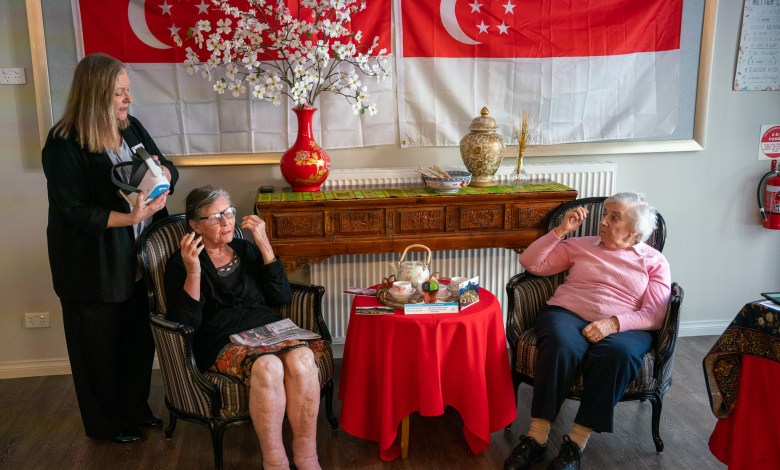
Australia’s aged care sector is one of the most culturally diverse workforces in the country - and that diversity is increasingly shaping how we think about quality care.
During this Cultural Diversity Week (21 - 29 March), residential aged care homes across Victoria are celebrating the traditions, languages and cultures that make up their communities. But beyond the festivities, the week offers an important reminder: cultural identity plays a vital role in how older Australians experience care, connection and belonging.
For many people, the traditions they grew up with – the language they speak, the food they eat, the music they love and the customs they follow – remain deeply tied to their sense of self throughout life.
When someone transitions into residential aged care, maintaining those connections can be vital to preserving dignity, comfort and familiarity in a new environment.
This is increasingly important in a country as diverse as Australia. National workforce data shows that almost half of Australia’s aged care workforce was born overseas, and more than one in three workers speak a language other than English at home.
At the same time, a growing number of older Australians accessing aged care services come from culturally and linguistically diverse backgrounds.
In many ways, aged care is a microcosm of modern Australia
This diversity is not simply a demographic reality – it is one of the sector’s greatest strengths. When residents encounter familiar cultural references, whether through language, music or shared traditions, it can spark powerful moments of recognition and connection.
A traditional song might bring back memories of childhood. A familiar dish might evoke family gatherings from decades earlier. These small moments can help residents feel understood and grounded in environments that are often new and unfamiliar.
For people living with dementia, cultural familiarity can be even more significant. Music, language and sensory experiences connected to earlier life can trigger memories long after other recollections fade.
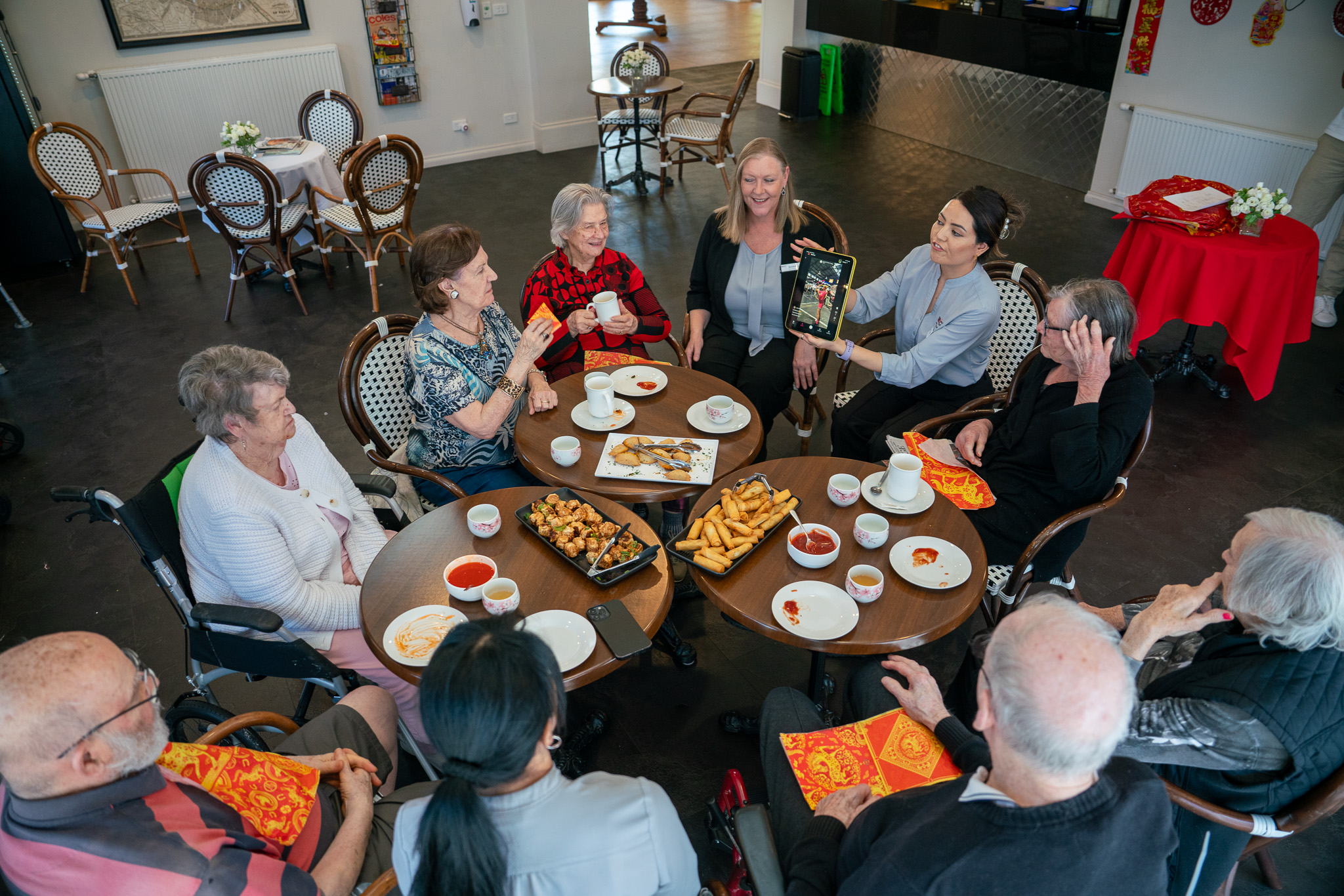
Across the sector, providers are increasingly exploring how innovation can support these connections. Technology, when used thoughtfully, can help residents reconnect with their memories, experiences and cultural identities in new ways.
At Medical and Aged Care Group (MACG) digital tools are increasingly being integrated into wellbeing programs across our homes. Immersive virtual reality experiences, for example, allow residents to explore places and landscapes tied to their cultural heritage, a tool that can be personally meaningful.
Interactive technologies and digital platforms are also helping residents stay connected with family members and communities beyond the walls of their home. These tools cannot replace human connection, but they can enhance it by opening new pathways for storytelling, reminiscence and shared experiences.
Celebrations like Cultural Diversity Week bring these ideas to life
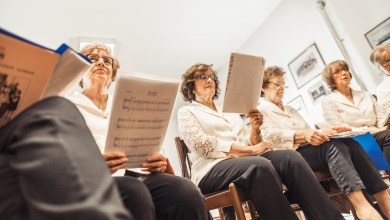
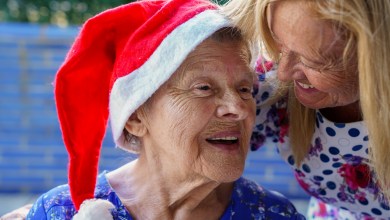
Across MACG’s 11 homes in Victoria, residents and staff are celebrating Cultural Diversity Week in a range of meaningful ways – from sharing traditional food, music and dress, to hosting events that showcase the cultures within each community.
At Casey Aged Care, staff from six different cultural backgrounds will perform music and dance, while Parkdale Aged Care residents will explore global traditions through virtual reality experiences that spark memories and storytelling.
Across the group, teams are sharing favourite recipes, creating cultural art, and participating in activities such as origami. Residents are also sharing their own stories, from migration experiences at Cheltenham Manor to a multicultural fashion parade at Casey Manor.
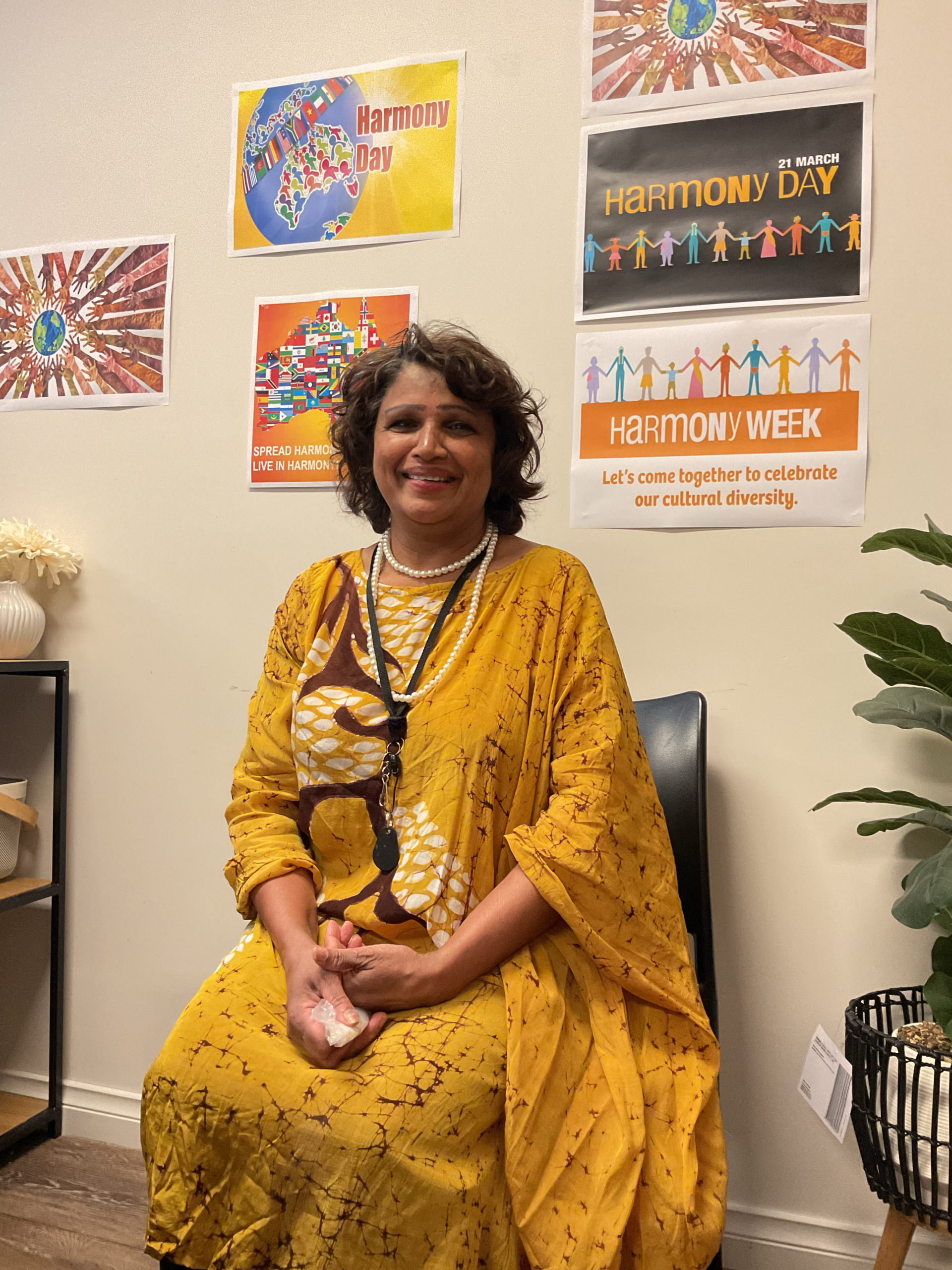
Picture: MACG/Supplied.
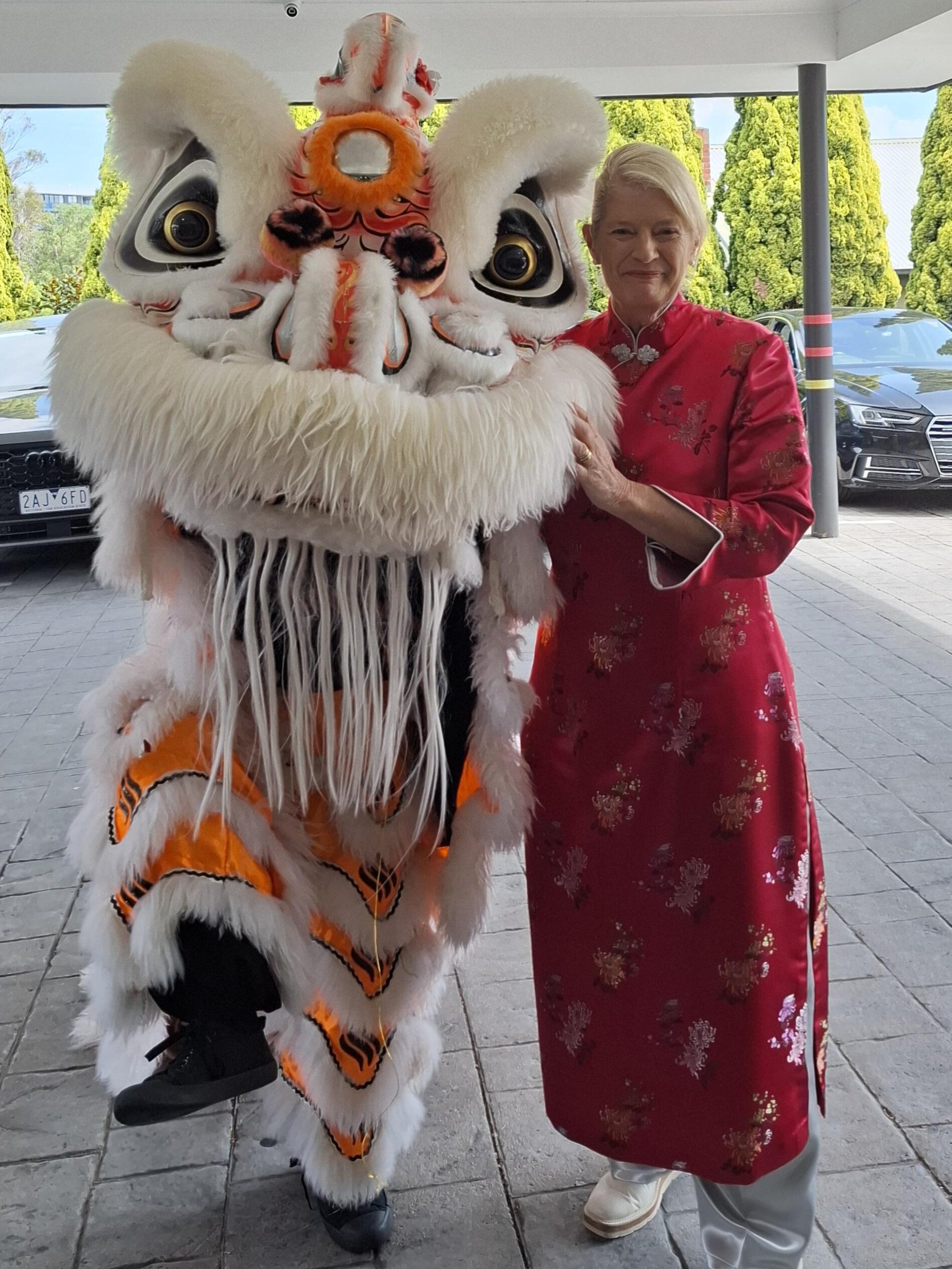
Picture: MACG/Supplied.
These initiatives are supported year-round through collaboration between wellbeing and catering teams to deliver inclusive events and culturally diverse dining experiences.
These vibrant exchanges create opportunities for people to learn from one another and celebrate the diversity that exists within their communities.
But beyond the festivities, these moments remind us of something fundamental to aged care: belonging matters.
In a sector often defined by clinical care, regulation and workforce pressures, it is important not to overlook the human elements that shape quality of life. Culture, identity and connection play a powerful role in how residents experience care.
As Australia’s population continues to diversify, aged care providers will increasingly need to design services that recognise and reflect cultural identity – not just through celebrations, but through everyday care, communication and engagement.
Because while people may move into aged care later in life, the cultures and stories that have shaped them remain with them.
Ensuring those identities are honoured is one of the most important ways we can create aged care communities where everyone truly feels they belong.
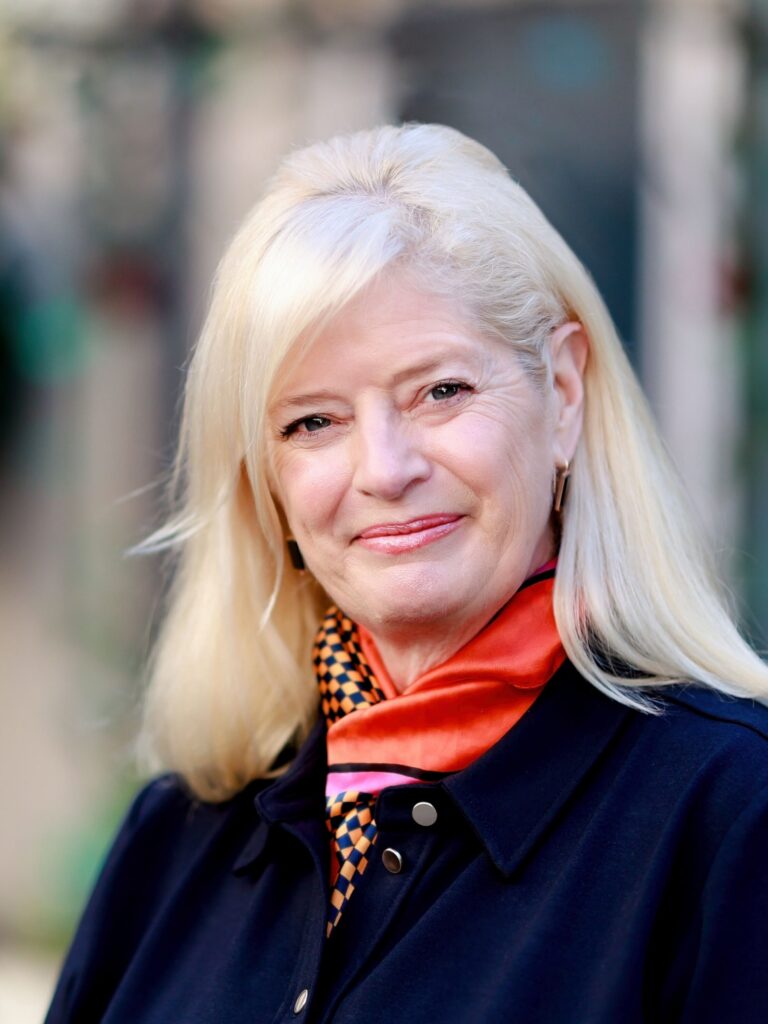
Jacinta Jarutis is the community engagement manager at Medical and Aged Care Group (MACG), leading the Wellbeing and Community teams and programs.
Email: rebecca.cox@news.com.au