
Dep’t releases new Dementia Collective Priority Framework
The framework outlines actions at state and federal levels, including for improving dementia diagnosis and post-diagnostic care and support

The Department of Health, Disability and Ageing has released its National Dementia Action Plan framework, signalling a period of practical changes, particularly in how dementia is diagnosed and post-diagnostic care is delivered.
The Collective Priority Framework 2025–2027 (CPF) is the first of three such documents planned over the 10-year lifespan of the National Dementia Action Plan. It serves as a roadmap, detailing the specific actions that Australian governments will prioritise over the next three years to align and focus their efforts.
The Framework is focussing on three of the eight priorities of the NDAP:
- Action 3: Empower individuals and communities to minimise risk where they can and delay onset and progression
- Action 4: Improve dementia diagnosis and post-diagnostic care and support
- Action 8: Improve dementia data, maximise the impact of dementia research and promote innovation.
The framework commits to reviewing and updating clinical practice guidelines and principles of care for people living with dementia every three to five years. This means the workforce can expect regular updates to the standards and tools they use, ensuring care remains current and evidence-based.
A crucial focus will be on clarifying pathways for dementia screening, assessment, and diagnosis across the country. This includes identifying and promoting best-practice models, which should help streamline processes and reduce delays in diagnosis. The capacity and reach of memory clinics are also set to increase, with a review of their funding model.
Importantly, there is a commitment to embed memory clinics within targeted Aboriginal Community Controlled Health Organisations and Aboriginal Community Controlled Organisations to improve access and culturally appropriate care for First Nations people.
The framework also highlights the development and promotion of culturally appropriate cognitive assessment tools. These tools will be created in partnership with diverse communities and experts, requiring clinicians to become familiar with new resources and potentially undertake further training.
Additionally, the government plans to review how the Medicare Benefits Schedule and Pharmaceutical Benefits Scheme support effective dementia diagnosis and ongoing management, which could influence funding and access to treatments.
These changes are designed to address the current challenges in dementia diagnosis, such as limited service availability and the varied needs of individuals. Timely diagnosis is crucial for earlier access to treatments and support, which can improve quality of life and potentially slow disease progression.
The framework also aims to improve support, care coordination, and planning for people living with dementia and their carers, including tailored models for First Nations, culturally and linguistically diverse, and other diverse communities.
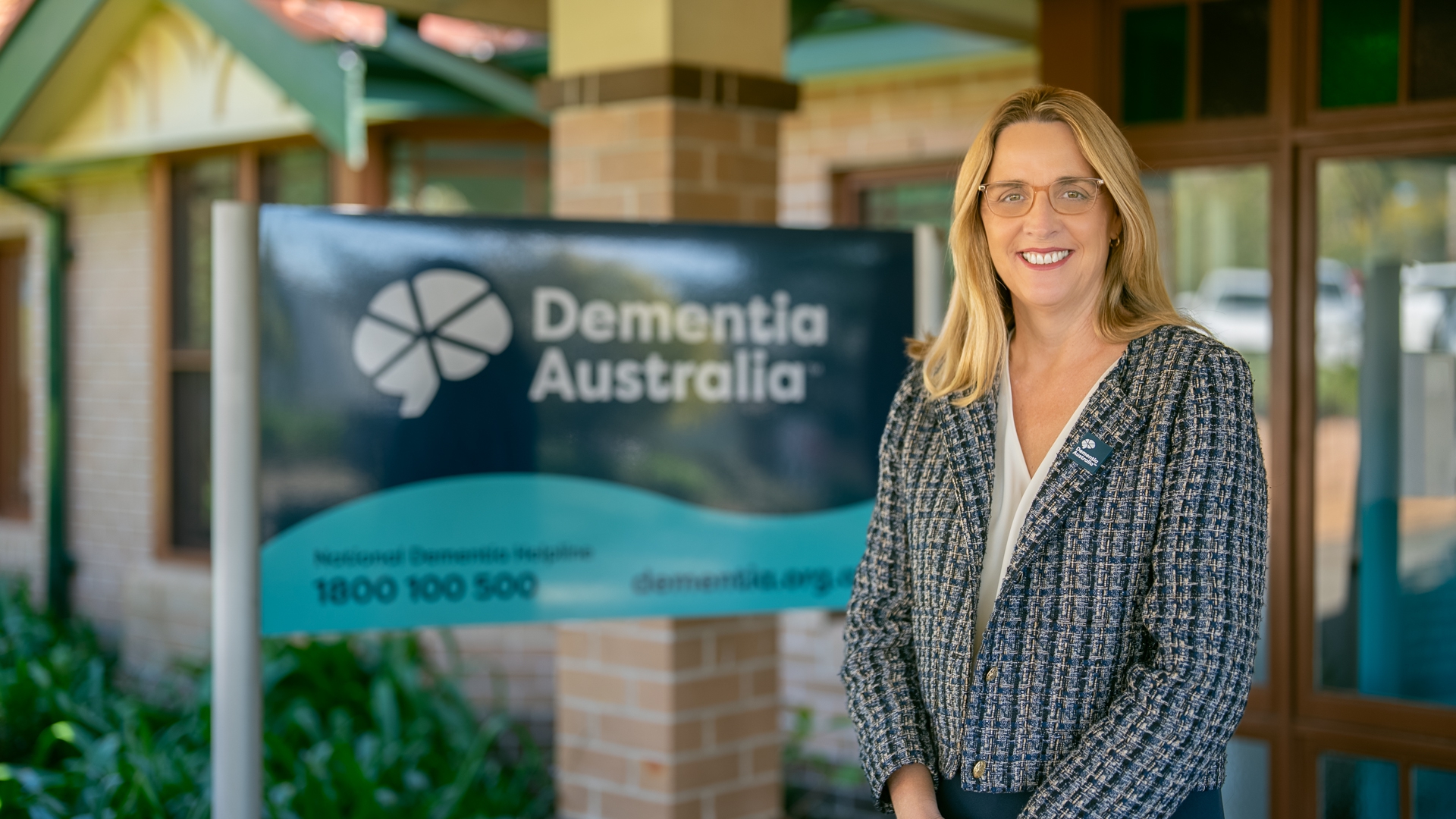
While welcoming the release of the CPF, Dementia Australia (DA) has stressed that further investment is urgently needed to address the escalating impact of dementia in Australia.
“We support the action areas that have been identified.” DA chief Professor Tanya Buchanan said.
“We are also pleased that all governments will report annually on their dementia-related activity and that people living with dementia will be involved in implementation,.
However, DA highlighted dementia has become the leading cause of death in Australia, and the current estimated 446,500 people living with dementia is set to double to more than one million people by 2065.
Professor Buchanan also expressed concern that the framework lacks firm commitments and new investment.
“People living with dementia, their families and carers have been patient and were expecting to see firmer commitments and new investment to address the growing human and economic cost of dementia. Without that, there is a danger services will not keep pace with demand and we will go backwards,” she said.
The organisation is calling for a brain health campaign, support for navigating the fragmented dementia service system, and improved access to diagnostic and post-diagnostic services, including respite, particularly in rural and regional areas.
Professor Buchanan stressed the economic benefits of early action, explaining that “reducing the new cases of dementia by just five per cent every year has been estimated to result in savings of $120.4 billion by 2056.”
“We cannot afford to wait and are calling for the government to make further investments to make dementia a priority in the upcoming budget.”
Email: rebecca.cox@news.com.au