Divisive ‘faith-based’ VAD bill gets voted down in the upper house
Proponents of the bill wanted to extend the conscientious objection clause to include faith-based aged care providers

Proposed legislation that would have allowed aged care providers in New South Wales to block residents from accessing voluntary assisted dying (VAD) has been defeated 23 votes to 16 in the NSW upper house.
Supporters of the Voluntary Assisted Dying Amendment (Residential Facilities) Bill 2025, introduced by Liberal member of the legislative council (MLC) Susan Carter in October, argued that the ‘conscientious objection’ principle should apply to the entirety of the VAD process.
VAD is legal in NSW, yet health practitioners with a conscientious objection have the right to refuse to participate in the request and assessment process, and in the prescribing, supplying, or administering a voluntary assisted dying substance, and/or, being present at the time of the administration of a voluntary assisted dying substance.
Key to this, however, is the health practitioners professional obligation to not obstruct a patient’s VAD process or access to information.
Labor MLC Greg Donnelly argued that aged care providers should be allowed to deny VAD access, in the same way the faith-based hospitals are.
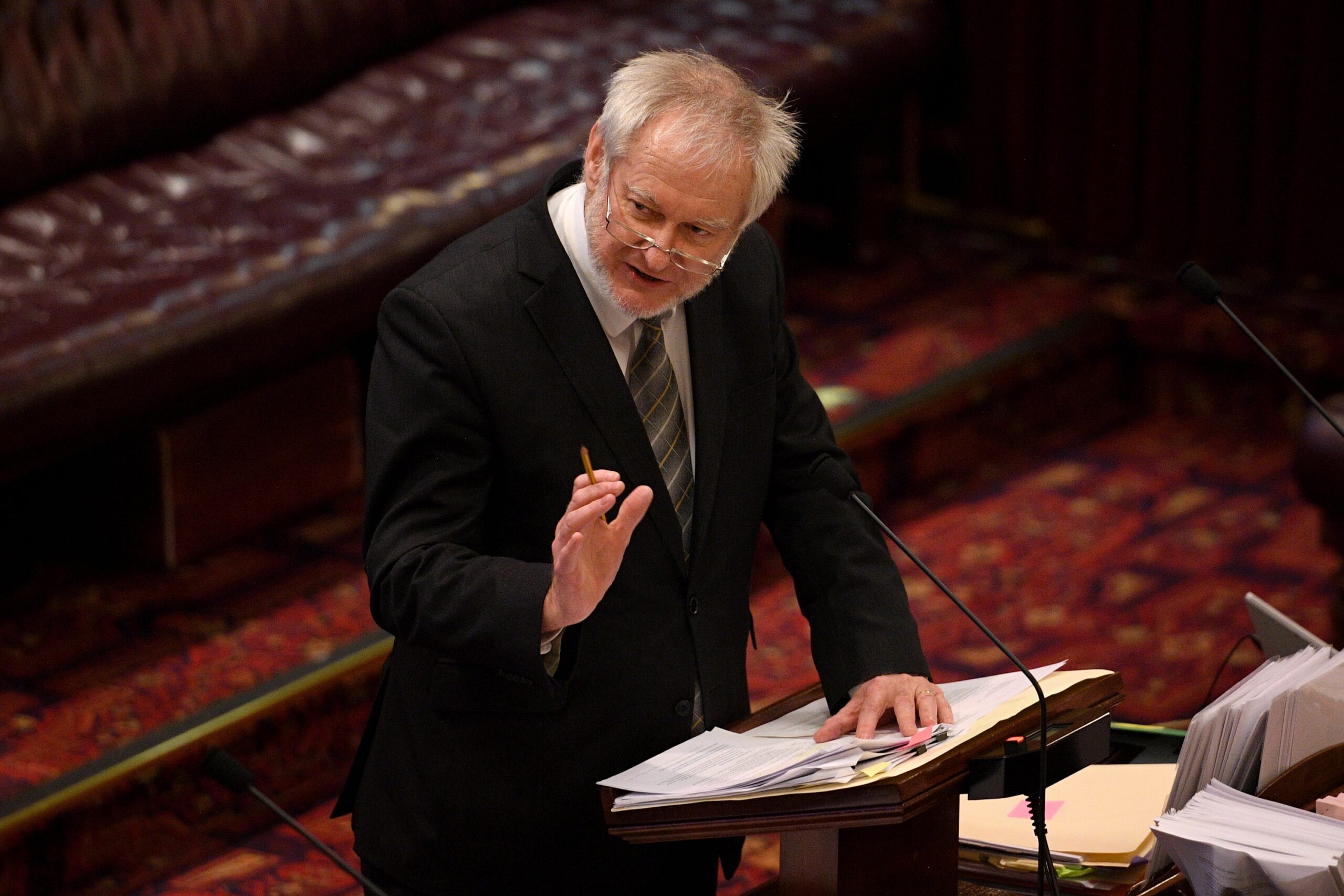
“As far as I have been able to establish from my research and speaking to a number of people involved in medicine and health care in New South Wales, reasonable steps to transfer patients who want to undergo voluntary assisted dying arrangements from faith-based hospitals have operated without any issues or complaints since the commencement of the Voluntary Assisted Dying Act 2024, including in regional and rural New South Wales,” he said.
“Why is it not reasonable and appropriate for the same transfer arrangements to also operate in faith-based residential aged‑care facilities? That key question is at the heart of my contribution.
“Permitting the practice of VAD onsite fundamentally compromises the integrity of the facility's life-affirming culture.”
The bill was debated in the upper house across the past four sitting weeks, during which the members of the legislative council received close to 5,000 submissions from NSW residents demanding the bill be rejected.
Related: Opposition to divisive ‘faith-based’ VAD bill grows | Victoria tables 13 amendments to state's VAD laws | Residential aged care needs to get honest about voluntary assisted dying
Go Gentle Australia chief Dr Linda Swan commended the NSW MLCs who voted against the legislation.
“This bill was an outright attack on the rights of dying people in the name of religious freedom," Dr Swan said.
“It was heartless and divisive and had the potential to inflict terrible harm on some of our most vulnerable citizens.
“Forcing elderly people to transfer to another facility at the end of their life to access VAD is contrary to good medical and clinical practice. It is also at odds with the rights framework set out in the federal Aged Care Act.
“It should never have seen the light of day.”
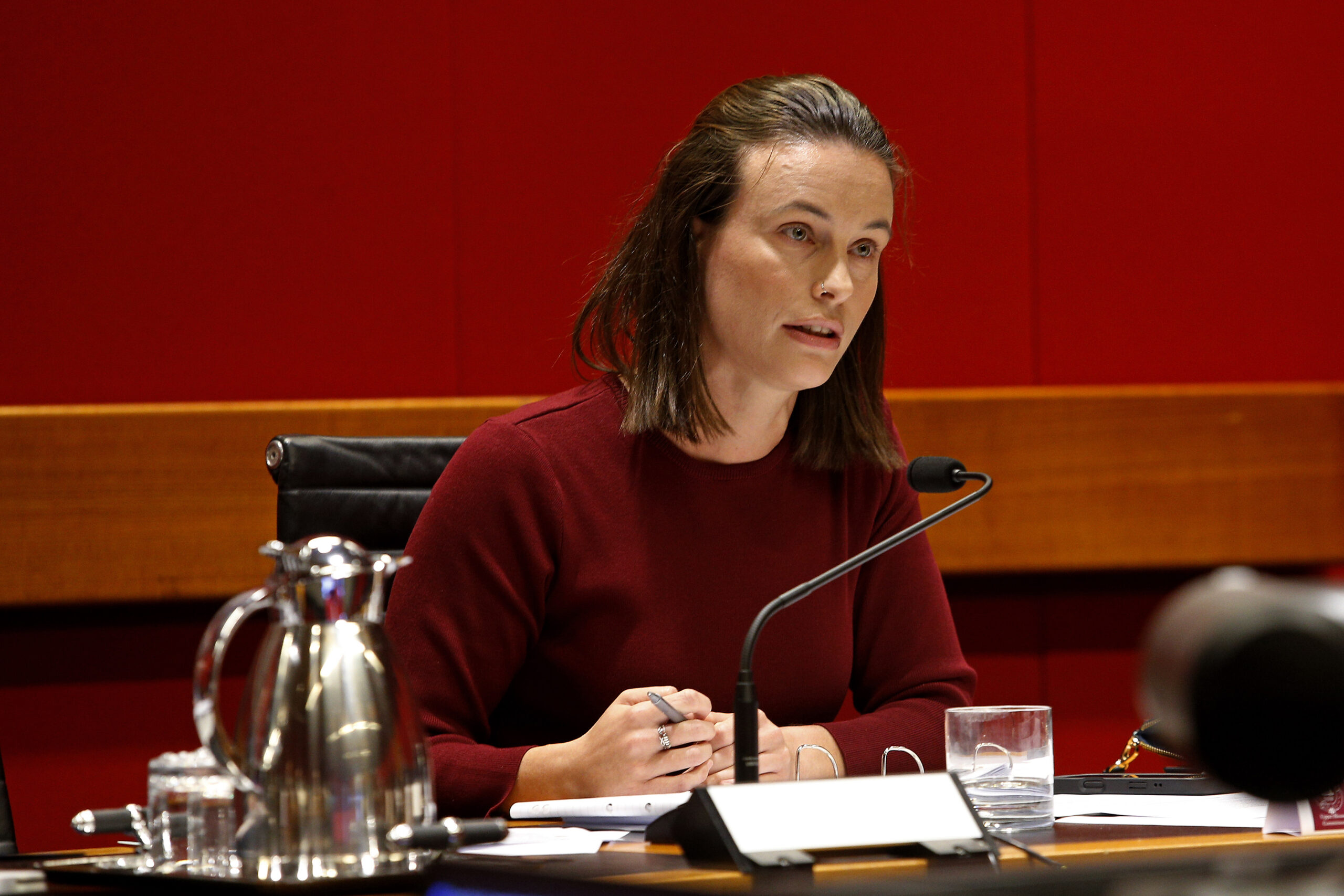
Within the upper house, the Greens’ Dr Amanda Cohn and Jeremy Buckingham from the Legalise Cannabis Party both played a vital role in the bill’s defeat.
Dr Cohn argued that the bill threatened the health rights of older Australians.
“Voluntary assisted dying laws in NSW were hard-fought and carefully negotiated in 2022. The upper house has strongly rejected this piecemeal and poorly considered reform. We have heard clearly that the community does not want to see access to voluntary assisted dying eroded,” she said.
“Residential aged care facilities are people’s homes. We know that elderly people have limited choice of providers and, in some regional communities, there is only one facility available.
“Moving frail and terminally ill people at the end of their life is far from simple. Most people want to die at home, not in a hospital.”
Email: rebecca.cox@news.com.au