Beyond the blueprint: Dementia-friendly design transforms aged care
“When the environment and the model of care work well together, it’s not only good for the residents, but it increases the retention of the workforce”

The physical environment within an aged care facility plays a critical, yet often underestimated, role in the well-being of residents, particularly for those living with dementia.
Far from being a mere backdrop, thoughtful and compassionate design can have a significant impact on the independence, safety, and overall quality of life of aged care residents, while simultaneously easing the workload for care staff.
Hammond Innovations, through its Design School project, is championing a shift towards environments that actively support and enable individuals with dementia, rather than inadvertently creating barriers.
Marie Alford, Hammond Innovations’ general manager growth and innovation national programs, highlighted the fundamental impact of a person’s surroundings.
“We know that the environment can either enable or disable someone living with dementia,” Ms Alford told Aged Care Insite.
“When our environment works with someone rather than against them, there’s much more engagement, and therefore less distress for the person and then less stress for the workforce working in that space.”
She said that what is often termed ‘good dementia design’ is, in essence, “just really good design for everyone.”
It helps people maintain independence and stay connected, which can lead to improved well-being and safety, including a reduction of falls, confusion and agitation.

While new builds offer opportunities for purpose-designed spaces, the reality of the current aged care sector is that many facilities are dated.
To help ameliorate this issue, the Design School is using the National Aged Care Design Principles and Guidelines to focus on how providers may be able to refurbish or retrofit existing spaces to deliver more supportive environments.
Practical design elements can make a profound difference. Simple changes like using contrasting colours can help residents navigate and wayfind more easily. Creating smaller, more intimate spaces allows for purposeful activities, private moments, or family gatherings, moving away from institutional layouts.
Ms Alford described this as the “integration of evidence and empathy in the design space.”
The introduction of familiar experiences, such as a communal kitchen area, acknowledges the importance of the sensory environment. Access to outdoor spaces is also vital, particularly in Australia, where many residents have spent significant time outdoors before entering care.
More on this: The expert guide to better care | Person-centred aged care design – how the experts do it | Reimagining where we live: Empathetic aged care design | Collaboration key to aged care innovation
Crucially, the benefits of good design extend directly to the aged care workforce.
An environment that promotes resident well-being often translates into a more manageable and less stressful work setting for staff. Ms Alford pointed out that something as simple as a good line of sight within an aged care home can support staff to feel more empowered.
Facilities with poor visibility can lead to residents having unsupervised interactions, which may not always be positive. Improved wayfinding and clear lines of sight can enhance a worker’s ability to support residents, potentially reducing challenging behaviours.
“What we find is that when the environment and the model of care work well together, it’s not only good for the residents, but it increases the retention of the workforce and reduces the incidences that occur,” Ms Alford explained.
“Every incident requires a lot of documentation [...] so bringing those things together can actually transform the workplace into a place where our workforce are more engaged and spend more time with the person and less time on the documentation.”
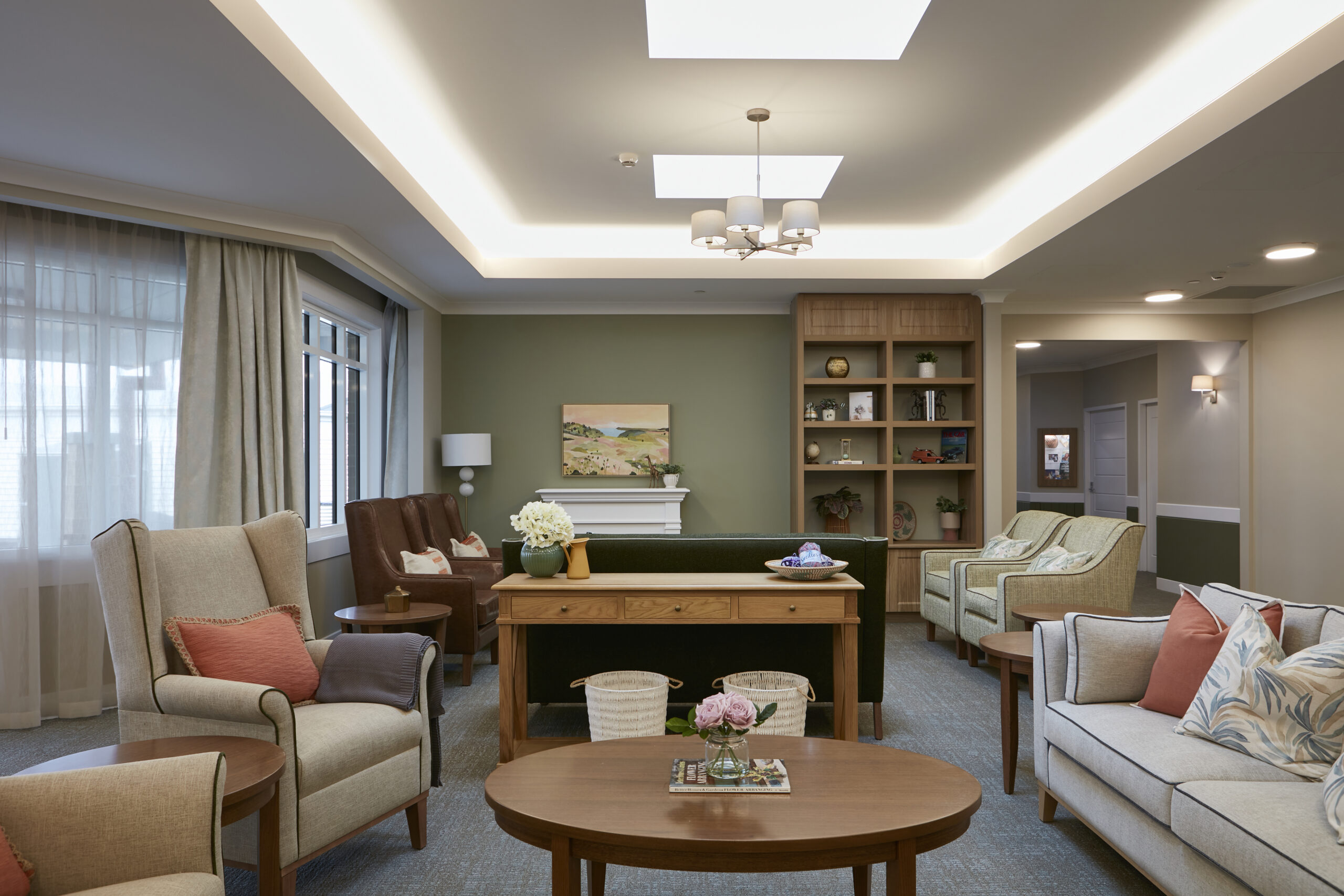
with sensory perception issues. Picture: Supplied.
Investing in a better future
Hammond Innovations Design School offers practical training for professionals seeking to implement these vital changes. The program is open to anyone working in aged care or disability settings, including property teams, care managers, architects, project managers, and interior designers.
The goal is to equip attendees with the knowledge to make small changes in existing environments and to future-proof new builds.
“We want to have people come along who want to really invest in the kind of society that we all want to grow old in [...] and to make sure that the environments that people with dementia and older people are living in really meet their needs, regardless of where they live in Australia,” Ms Alford said.
The program includes a walkthrough or virtual tour of a purpose-built environment, which aids participants in understanding the crucial integration of the environment and model of care.
By investing in dementia-friendly design, the aged care sector can create spaces that not only enhance the lives of residents but also foster a more supportive and sustainable working environment for the dedicated staff who provide essential care.
For more information, or to register for a Design School near you, visit the Hammond Innovations website here.
Email: rebecca.cox@news.com.au