Report reveals rise in dementia diagnoses and deaths among Australians
Dementia has become the leading cause of death among Australians

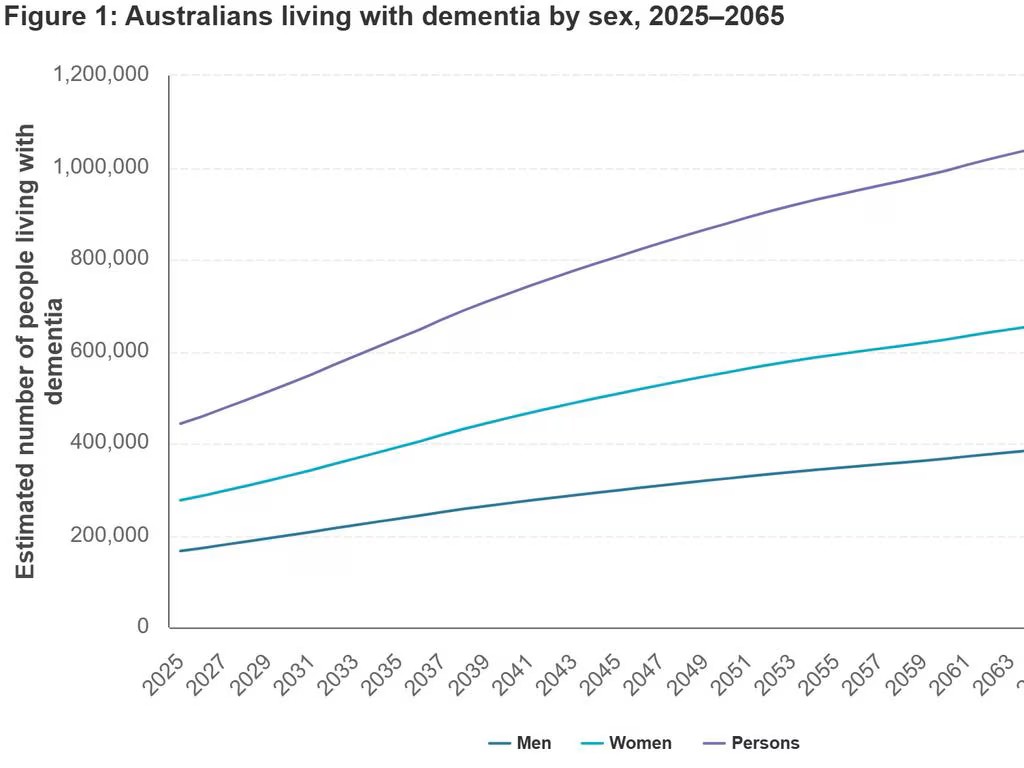
Dementia has become the leading cause of death in Australia and more than one million people are expected to be living with the syndrome in 40 years, according to a new report.
The Australian Institute of Health and Welfare (AIHW) reported that dementia was the cause of death for almost 17,400 people (9.5 per cent) in Australia in 2023.
“Dementia was the leading cause of death for women and the second leading cause for men after coronary heart disease,” the Dementia in Australia report said.
Last year, the AIHW estimated there were 425,000 people living with dementia, which is equivalent to 16 people per 1000.
The rate of dementia climbs quickly with age, from less than one person per 1000 for those aged between 30 and 59, to 210 people per 1000 aged between 85 and 89.
Almost two-thirds of Australians with dementia are women, the AIHW said.
With an ageing population, it is predicted the number of Australians with dementia will rise to more than million by 2065, according to the report.
Dementia Australia chief executive Tanya Buchanan said the report highlighted just how many Australians were affected by dementia.
“With dementia expected to exceed one million by 2065, we simply cannot afford to wait to for decisive action,” she said.
“We are calling on governments at all levels to take a comprehensive approach to reduce the impact of dementia into the future.
“This means funding a national discussion on dementia to raise awareness and promote brain health at all ages, funding dementia navigators and upskilling the dementia care workforce.”
Ms Buchanan said Dementia Australia’s research showed a major issue people for people impacted by dementia was that their friends and families drifted away after a diagnosis.
“That’s why this Dementia Action Week – which begins on Monday – we’ve chosen the theme of ‘nobody can do it alone’,” she said.
“We’re challenging Australians to reach out and connect with someone impacted by dementia.”
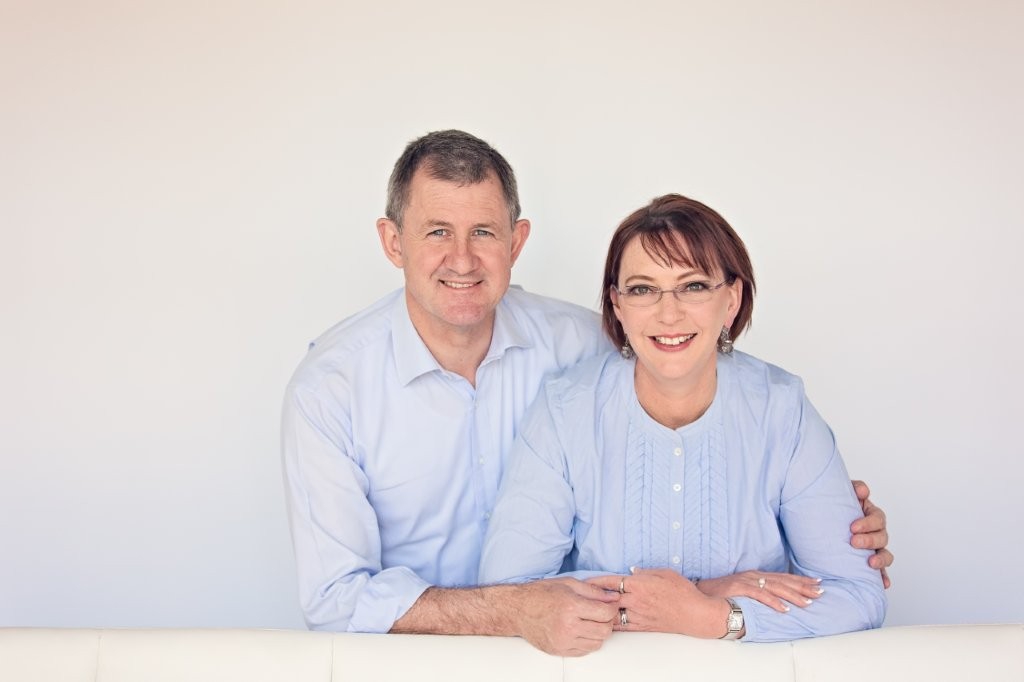
Gina’s story
When Gina Callan was diagnosed with younger onset dementia aged 58, she said her “world shifted overnight”.
“Instead of struggling to work on with difficulty in my job while planning for retirement, holidays and time with my four young grandchildren, I found myself pausing to rest and record storybooks about dementia on video so they would remember my voice and personality if, one day soon, I lost my speech, memory or cognition,” she told NewsWire.
The first signs of dementia came a decade earlier for Ms Callan when she forgot where she was headed for a client meeting.
“Misplaced car keys and phones, forgotten names, repeated questions and everyday items turning up in the fridge followed,” she said.
Doctors initially put the symptoms down to her long-standing fibromyalgia and chronic fatigue diagnosis, menopause and/or stress – but her condition soon became worse.
“I struggled to find the right words when speaking and writing, and I lost motivation,” she said.
Eventually, tests confirmed the early detection and likelihood of Alzheimer’s disease, with a life expectancy of perhaps only six to 12 years.
“At home and as a family we cried together, then started looking for answers,” she said.
One year on, Ms Callan said some days she felt sharp while other days she felt exhausted and confused.
The mother-of-two and former nurse is hoping to live another 10 to 20 years of quality life through self-care and brain health strategies.
She believes brain health should be taught in schools like road safety and that the federal government should tackle dementia as a national priority.
“Almost half of dementia risk is linked to things we can change – like sleep, exercise, blood pressure and smoking,” she said.
“Brain health should be taught in schools as naturally as road safety, so future generations don’t face the same tsunami of diagnoses.”
There is currently no cure for dementia and some risk factors cannot be avoided – such as genetics and family history – but many can such as weight, sleep, tobacco smoking and excessive alcohol consumption.
As dementia progresses, the person’s functional ability declines, eventually resulting in the reliance on care providers for daily living.
The AIHW estimates that last year there were at least 102,000 informal primary carers of people with dementia.
In 2023-24, dementia was the main reason for hospital admission among about one in every 455 cases.
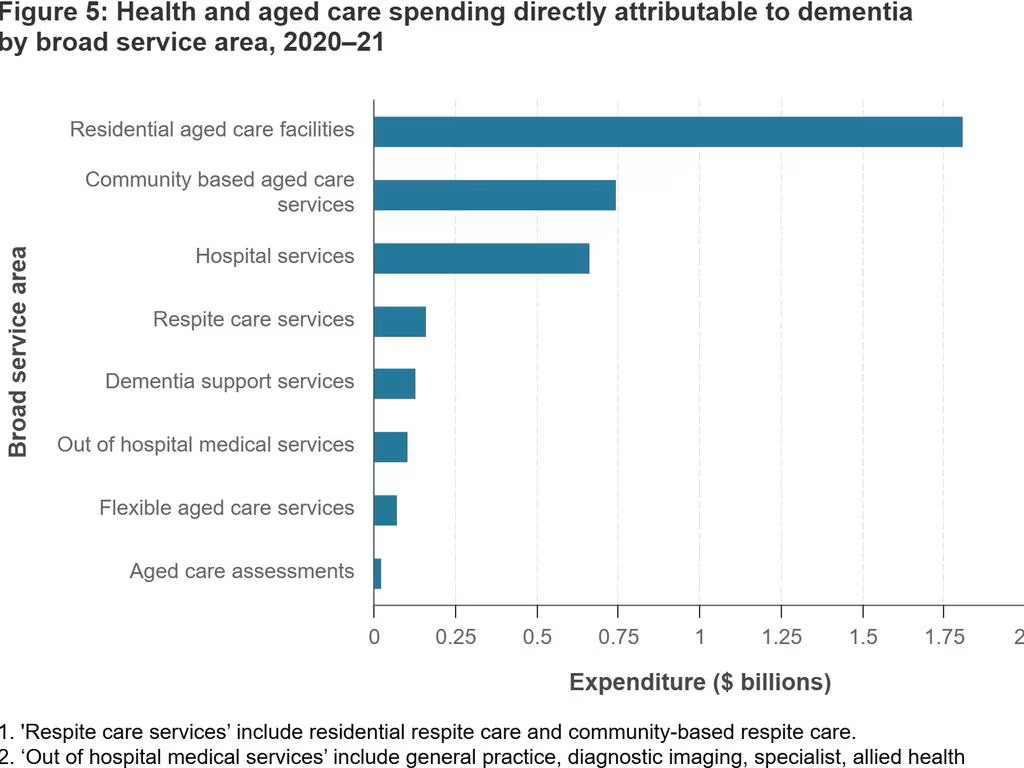
It is estimated almost $3.7bn of health and aged care spending in 2020-21 was attributable to dementia diagnosis, treatment and care.
Residential aged care services made up the largest share of expenditure (49 per cent or $1.8bn), followed by community-based aged care services (20 per cent or $741m) and hospital services (18 per cent or $662m).
Email: rebecca.cox@news.com.au