
New Alzheimer’s drug rejected by PBS, patients to pay up to $80k a year
The PBAC said the potential benefits were too small to justify the “high burden of treatment”
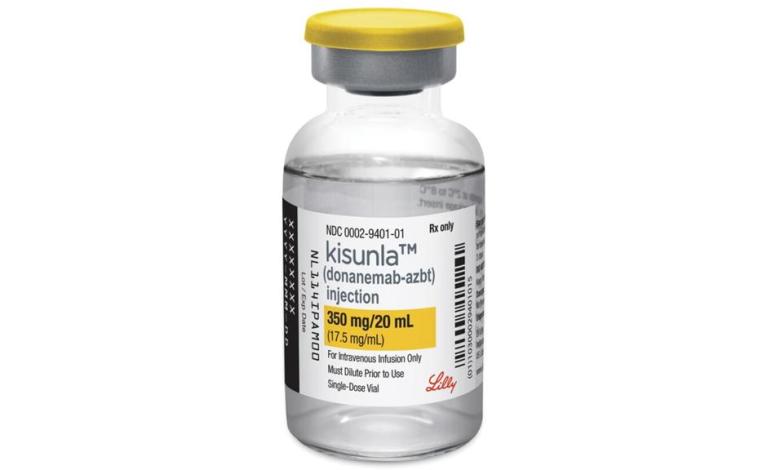
A newly approved Alzheimer’s treatment that can slow progression of the disease won’t be subsidised by the federal government, leaving patients having to pay up to $80,000 a year.
Kisunla (donanemab), a disease-modifying therapy for early symptomatic Alzheimer’s disease, was recently registered on the Australian Register of Therapeutic Goods (ARTG), marking the first new treatment for early Alzheimer’s in 25 years.
The drug works by helping the brain’s immune system clear amyloid plaques, a key factor in memory loss and cognitive decline.
However, the Pharmaceutical Benefits Advisory Committee (PBAC) has rejected an application for Kisunla to be included on the Pharmaceutical Benefits Scheme (PBS), meaning patients will need to pay privately, with treatment costs ranging from $40,000 to $80,000 a year.
Clinical trials have shown it can slow cognitive decline by around 30 per cent in people with early disease, extending the period patients can remain independent and continue daily activities.
In the outcomes of its July meeting, the PBAC said that although donanemab can potentially delay the progression of the disease, it noted “there is a lack of consensus among clinicians that these results would translate into meaningful improvements for patients.”
Eli Lilly Australia Pty Limited, also known as Lilly, is the developer and manufacturer of Kisunla and holds its marketing authorisation in Australia.
Tori Brown, general manager of Lilly Australia & New Zealand, said the decision was a “disappointing outcome for patients, their families, the Alzheimer’s community and for Lilly”.
“It’s a decision that doesn’t reflect the true value of Kisunla for patients, their families, the health system and society as a whole,” Ms Brown said.
“This negative outcome must prompt a national conversation about the importance of investing more in innovative medicines for our rapidly ageing population.”

Ms Brown said communities needed to ask whether they are willing to accept the cost of not treating people with early Alzheimer’s disease.
“Aside from the significant health and aged care costs resulting from Alzheimer’s disease, there is enormous value in enabling Australians living with this disease to remain independent for longer, to enjoy a good quality of life, and to continue contributing to the economy, to communities and to their families,” she said.
“We also mustn’t lose sight of the impact of this disease on carers, who are often invisible, and spend on average 60 hours a week looking after someone with Alzheimer’s disease.”
Donanemab is administered via intravenous infusion every four weeks and is intended for adults with mild cognitive impairment or mild Alzheimer’s dementia, and who have a specific genetic profile and evidence of amyloid plaque in the brain.
The treatment carries risks, including brain swelling and bleeding, particularly for people with two copies of the ApoE4 gene, which is why patients must undergo genetic testing and regular MRI monitoring during treatment to ensure safety.
The PBAC said that this “high burden of treatment on both patients and the health system, combined with the risks and modest clinical impact, makes the drug unsuitable for PBS subsidy.”
Alzheimer’s disease is the most common form of dementia, accounting for around two-thirds of cases in Australia. Currently, about 600,000 Australians are living with early Alzheimer’s disease, with about 450,000 in the initial stages.
According to Lilly, the economic and social impact of Alzheimer’s is substantial, placing an $8.1bn burden on the Australian economy, including healthcare, aged care, and costs borne by individuals, families, and carers.
It is estimated that with early diagnosis, treatment, and support, up to 50,000 Australians aged 60 and over could remain in the workforce, and one-in-three carers could continue working, reducing the estimated $3.7bn in lost productivity each year.
The company says delaying entry into aged care for people with Alzheimer’s could also save the Australian government $40–48m over four years.
“Lilly is working to fully understand the implications of this outcome and potential next steps,” Ms Brown said.
Email: rebecca.cox@news.com.au