UNSW professor calls for shift in approach into brain health
Pushing back dementia onset by a year would improve productivity and save Australian billions
Urgent action is needed to fight the “darkness” of dementia, as the deadly condition threatens to affect 850,000 Australians by 2058, a leading brain researcher has said.
Dementia is estimated to cost Australia’s economy $18bn each year, a figure that will more than double to $37bn in 25 years.
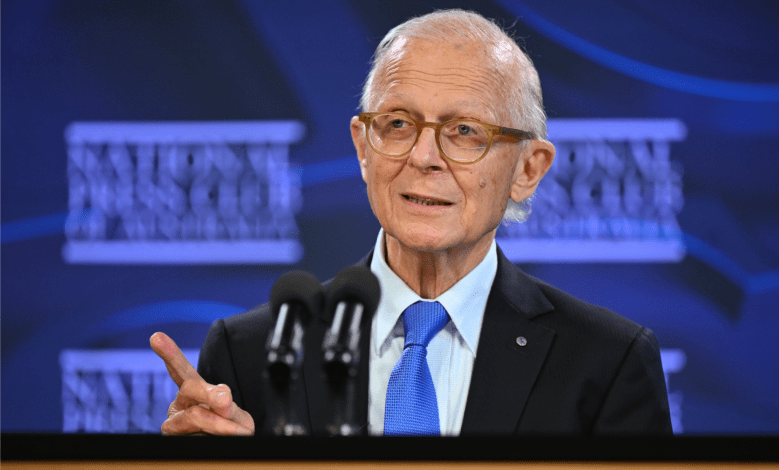
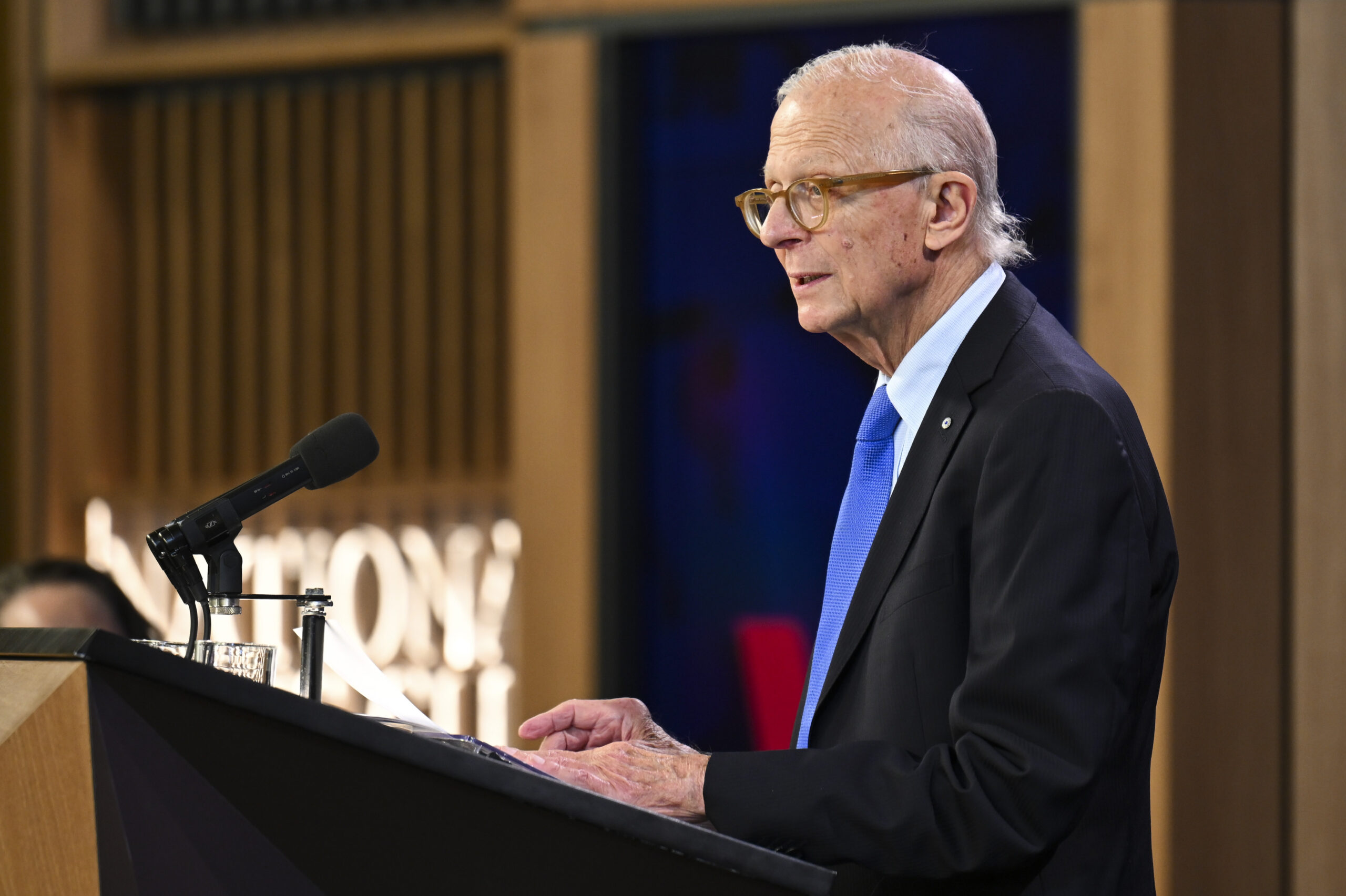
In light of this, Professor Henry Brodaty’s address to the National Press Club on Wednesday was about the need for changing the way Australia approaches brain health.
Professor Brodaty is the Scientia Professor of Ageing and Mental Health at the Centre for Healthy Brain Ageing (CHeBA) at the University of NSW.
He said tackling dementia would increase productivity in Australia as delaying its effects would allow people to work longer, especially as the workforce ages.

at reducing unhealthy sun exposure, began in the 1980's.
Picture: NCA Newswire.
To become a world leader in preventing and delaying dementia onset Australia needed a new approach, he said.
“Think about the slip, slop, slap for skin health,” he said.
“We need the slip, slop, slap of brain health, now.
“Funding for dementia has lagged behind cancer and heart disease, even though it contributes more to disease burden.
“Research is critical to find the best ways to provide services efficiently.”
He said dementia develops in Aboriginal Australians and Torres Strait Islanders at two to five times the rate of the rest of the population, and suggested steps to counter this.
“Better care before, during and after pregnancy, and in early childhood, and particularly more education, could make a difference to this,” he said.
Professor Brodaty said personalised coaching programs improved brain cognition, and increased people’s fitness – pushing back the onset of dementia by a year or more.
He said this could save Australia billions.
“Imagine what the return on investment would be if Australia did this?” he asked.
“Improving fitness not only would improve cognition, it would improve fitness, physical, mental and social health.”
But Professor Brodaty said Australia’s National Dementia Action Plan has only $166m in funding, “too little for what Australia needs”.
“I sympathise with the government, because there’s always competing priorities and there’s always other things that can be funded,” he said.
“But, when it makes sense economically, as well as personally to people, then why not do it?”
Email: rebecca.cox@news.com.au