First of its kind: A Passive House purpose-built for retirees
These dwellings can maintain a stable temperature without relying on heating or cooling, reducing ongoing costs

An Australian retirement living operator is leading the way in sustainable design, piloting a high-performing home that delivers thermal comfort with minimal heating and cooling.
National provider Keyton has officially unveiled Australia’s first passive house for retirees, marking a leap forward in the comfort and long‑term wellbeing of its residents.
The newly completed villa at The Grove in Canberra brings together airtight construction, high performance insulation, triple glazed windows, and mechanical ventilation with heat recovery to create a sustainable and cost-efficient dwelling.
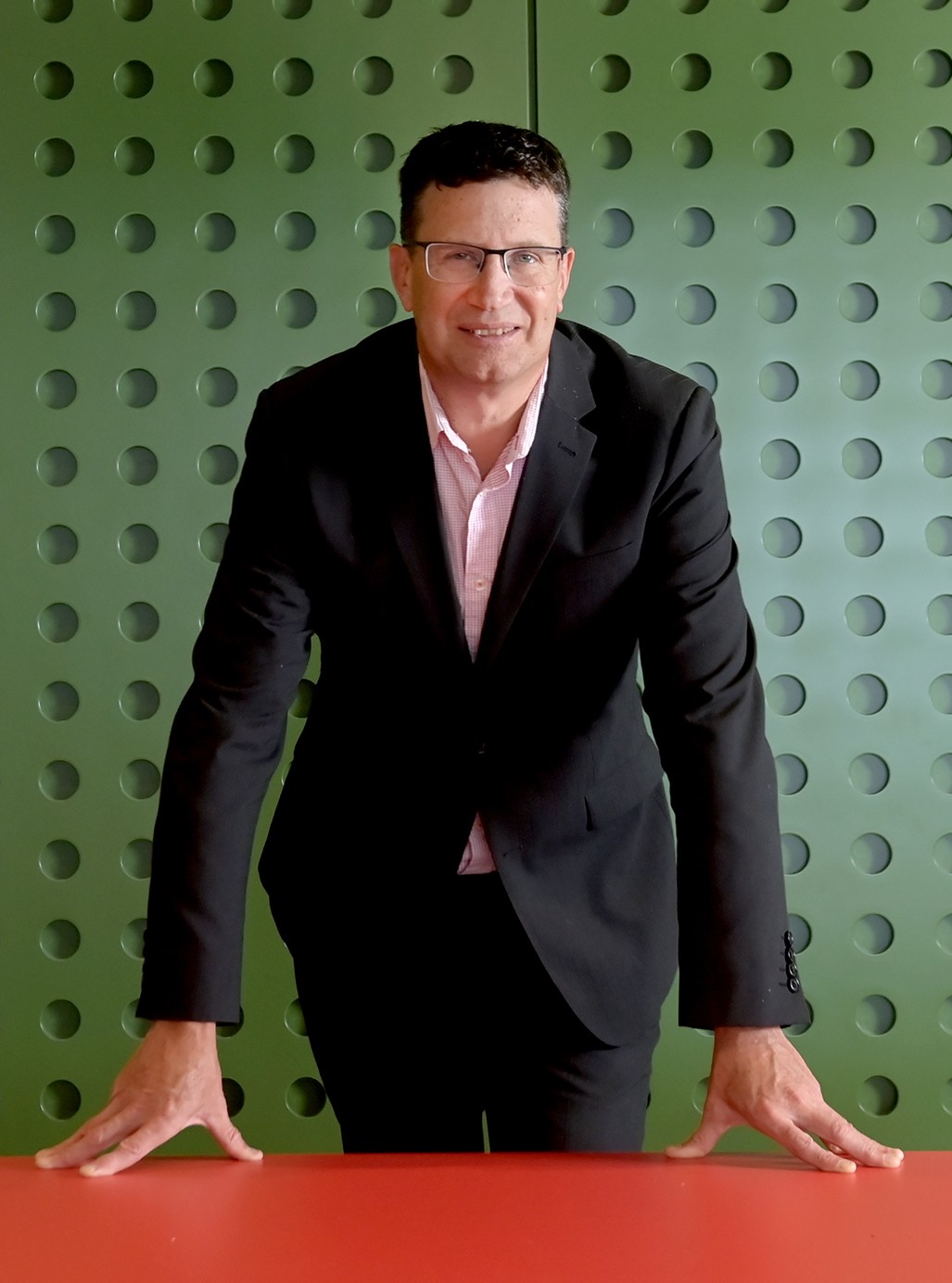
Keyton chief Nathan Cockerill said the project was designed as a learning exercise, to help understand how passive house principles could shape the future of Australian retirement living.
“We want to understand what works, what delivers the greatest impact for residents, and what can be adapted cost effectively across new communities,” he said.
“We talk about better quality air [...] lowering dust, mould, allergies and bacteria [...] as well as understanding the cost benefit.
“Ideally, a passive house will significantly reduce the cost of living.”
The passive house (or Passivhaus) voluntary standard was developed in Germany. For a building to achieve certification it must have excellent insulation, minimal thermal bridges, very good air tightness, high-performance windows and doors, and mechanical ventilation with heat recovery.
Rising energy costs continue to shape how older Australians heat and cool their homes, with many limiting their use of air conditioning during extreme weather due to financial pressure. For retirees, that can mean living in uncomfortable – and sometimes unsafe – indoor temperatures.
A core appeal of Keyton’s passive house is its ability to maintain a stable environment without relying heavily on heating or cooling.
Mr Cockerill noted that older residents typically spend more time at home than the average person, making indoor comfort and air quality even more important.
“It’s all about taking the best of passive house thinking and applying it in a way that supports healthy and confident ageing; and saves residents some money on their energy bills as well,” he said.
Future focused
The passive house is just one element of the company’s sustainability and wellbeing-focused approach to care.
The provider has set a goal of net-zero by 2035, based on key strategy pillars of fostering enriching and resilient communities, regenerating the environment, and prioritising resident wellbeing.
“We want to inspire people to thrive, and that’s around creating the right home and environment – that’s where the passive house sits in our strategy – to make sure that we’re providing the right homes that are energy efficient and provide healthy living for individuals,” Mr Cockerill said.
“Our focus is on resident wellbeing, so anything we do is trying to enhance that, whether it's physical, social or financial wellbeing within our villages. Sustainability goes to the heart of that at the end of the day.”
Email: rebecca.cox@news.com.au