
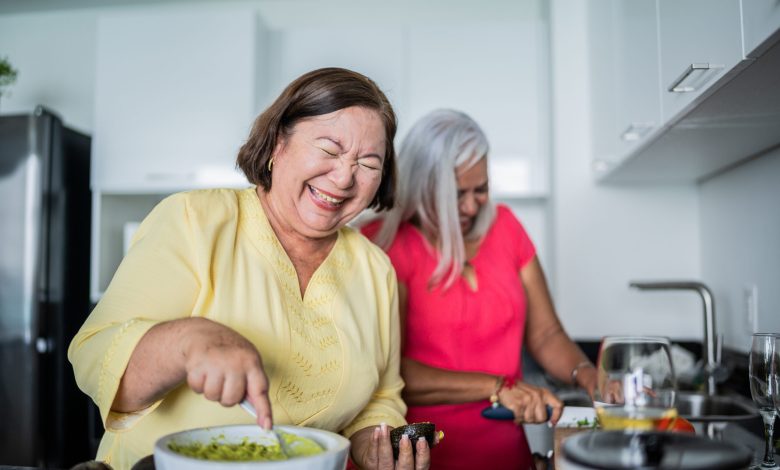
The Maggie Beer Foundation has launched a new initiative aimed at transforming food experiences and well-being for older Australians living independently in the community.
The HomePlate Project aims to deliver real-world solutions, policy insights, and scalable models to support ageing in place strategies nationally, ensuring older Australians experience the joy and dignity that good food brings.
Funded by the Wicking Trust, the project will engage local communities, care providers, nutrition experts, and older people themselves, with the goal of developing a comprehensive roadmap for food-based solutions that are responsive, sustainable, and scalable across diverse settings.
Maggie Beer Foundation chief Jane Mussared highlighted the project’s expanded focus.
“We are taking our passion and knowledge from the aged care kitchen to the broader community – into people’s homes, neighbourhoods, and everyday lives,” she said.
“Food is not just fuel; it is also about memory, culture, belonging, and joy. Every older Australian deserves that.”
This program acts as an extension of the Foundation’s mission, which addresses critical issues of malnutrition, loneliness, and a lack of interest in food among older people at home.
The HomePlate Project will start by gathering insights directly from older people through conversations, surveys, and focus groups. These findings will inform the appraisal of current options and interventions, and lead to the development of practical, culturally inclusive, and community-driven approaches.

Clare Fargher, a Melbourne-based nutritionist with postgraduate qualifications in health technology and commerce, has been appointed to lead the project.
“We really hope the project shifts that narrative from silent malnutrition that's currently happening in the in the community to this visible joy of eating food and connected nourishment,” she said.
“We know that when people eat together they will eat 30 to 50 per cent more food on their plate than when they eat alone. And we also know that social isolation amongst this group within the community is a big issue, and we know that food can be an amazing connector from that perspective, too.”
With up to 63 per cent of older Australians at risk of malnutrition, the project hopes to form a deeper understanding of what it's like for an older Australian to live at home, in terms of how they shop, how they’re cooking, how they’re eating and who they’re eating with.
“The project itself is really about listening to Australians living at home and building solutions together with them,” Ms Fargher said.
“We want to bring that passion and joy back so that people really think of food as something wonderful rather than a chore.”
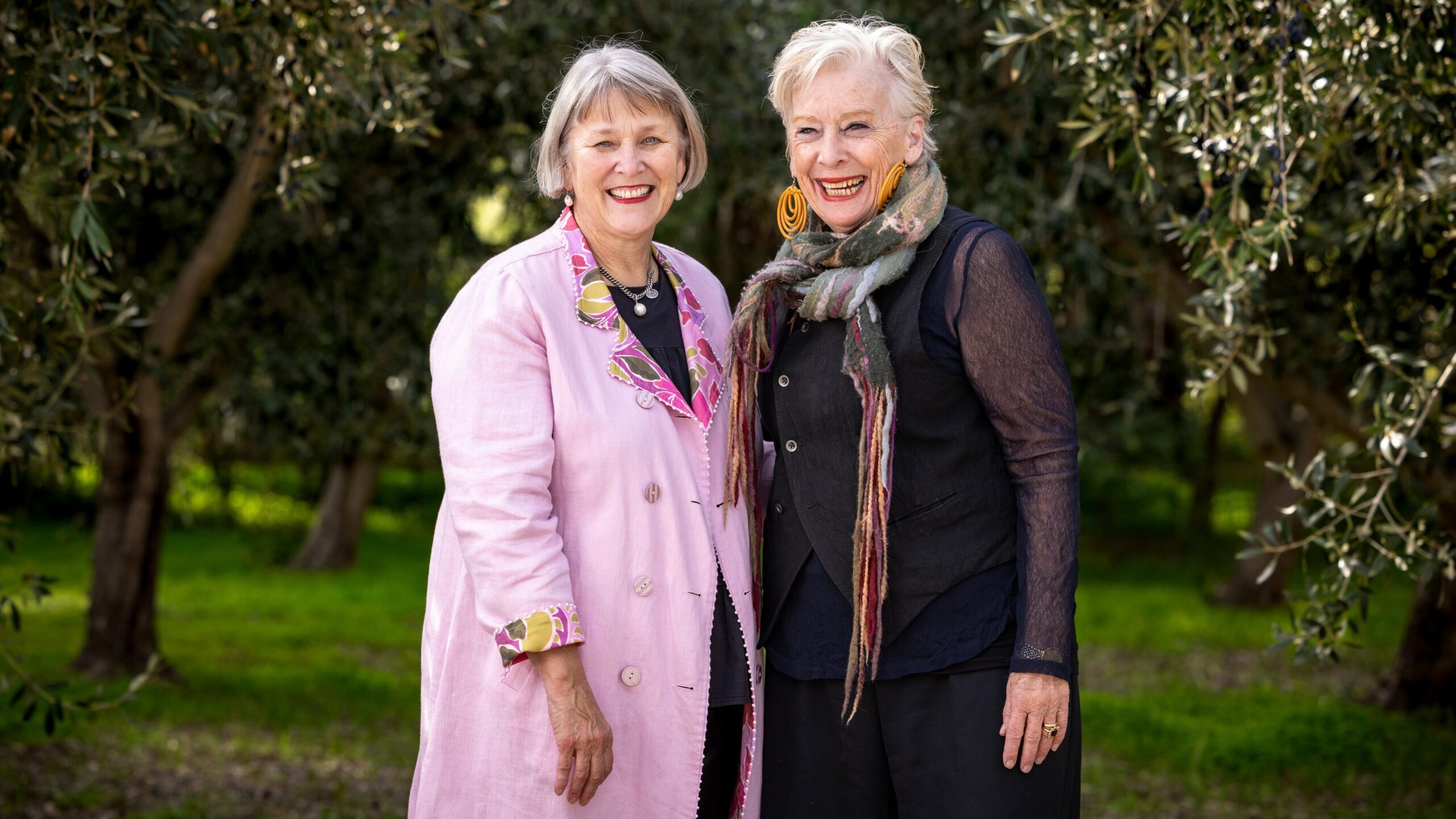
Maggie Beer herself recently addressed what happens joy and dignity are absent from food in her address of the National Press Club of Australia.
“At the heart of my message and the work of the Foundation is a desire to keep the excitement, joy and anticipation alive throughout our lives and to understand that in doing so we will optimise the vital nutritional intake that is so important as we age,” she said.
“We must never again forget that food – good, flavoursome, nutritious food enjoyed and eaten – is central to our well-being, whether in an age care home or living alone. It must never be an afterthought. It must never be thought of as fuel.
“Eating well is aging well.”
Ms Beer said she has seen a worrying trend emerge amongst many older Australians ageing at home, in which the passion for cooking and food that was once there begins to dissipate.
“I’ve come across people, in women particularly I must say, in the community, when losing a partner [and] thinking they are not worth worrying about food and so it’s toast and Vegemite at night,” she said.
“It’s not just losing their zest for cooking, which is really there [...] but their belief that they don’t matter even though they’ve cooked from scratch all their life and been proud of that till now.
“Food is not a pill to be swallowed or a care task to be ticked off, a prescription to be filled. And whilst food is about nutrition, it’s so much more than that because food creates an appetite for life and continues to be the mission of the Foundation.”
Email: rebecca.cox@news.com.au