
Vic gov’t strengthens clinical oversight in aged care
New legislation means only qualified health professionals are able to provide medication
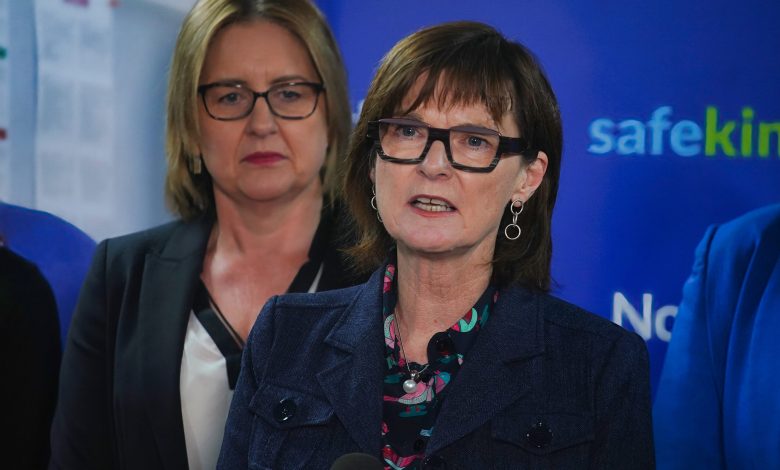
The Victorian state government has introduced new legislation to protect older people living in residential aged care from medication-related harm.
In an Australian first, new laws will dictate that authorised health professionals – registered and enrolled nurses, pharmacists and GPs – will bear the responsibility of the management of strong medications in residential aged care.
The Drugs, Poisons and Controlled Substances Amendment Bill 2025, unveiled by the Victorian Health Department on Thursday, will apply strict rules to how certain drugs can be administered to older people living in aged care, ensuring only highly qualified health practitioners are able to provide medications such as anaesthetics, antibiotics, opioid analgesics and clinical trial medications from July 1 2026.
Minister for Ageing Ingrid Stitt said the Bill is part of the Allan government’s continued commitment to the improvement of aged care for all Victorians.
“These changes are about putting the safety of residents first – making sure our older Victorians living in aged care receive the right medication, safely and at the right time, from the right professionals.”
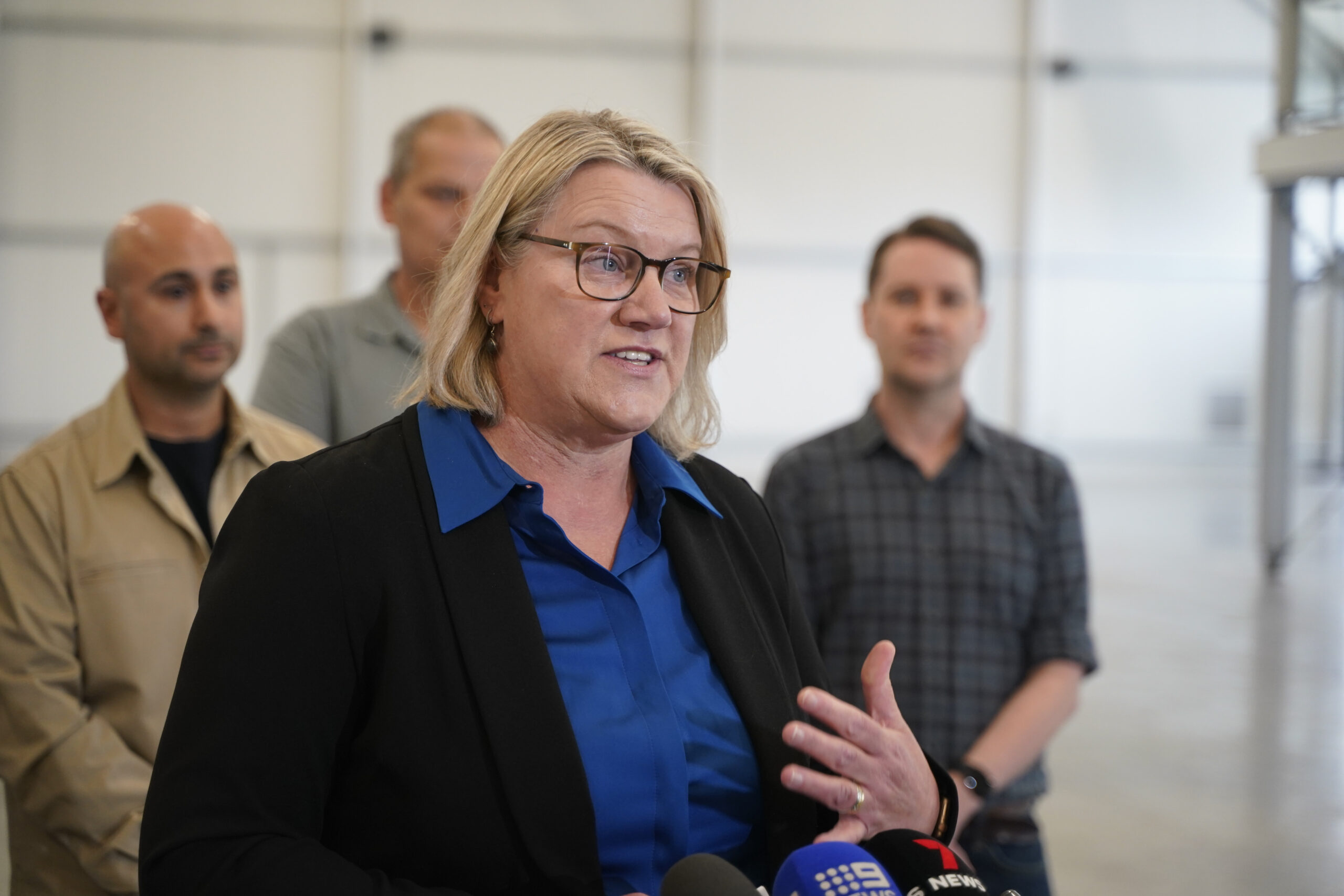
The Royal Commission into Aged Care Quality and Safety lifted the lid on significant medication misuse within the sector, in particular, the widespread administering of psychotropic agents and chemical restraints.
Evidence suggested that these medications were often used as a strategy to manage staff workload and changed behavior, rather than out of clinical necessity.
The Drugs Amendment Bill was developed in collaboration with the Australian Nursing and Midwifery Federation Victorian Branch, as both a direct response to Royal Commission recommendations and an acknowledgment of the increasingly vital role nurses play in caring for the nation’s ageing population.
“Medication administration is a core nursing responsibility and these changes support nurses to work to their full scope – delivering safe, high-quality, person-centred care and improving job satisfaction,” ANMF Victorian Branch secretary Maddy Harradence said.
The state’s budget papers, released in May, delivered an additional $50m for public aged care, to fund more beds and nurse‑to‑patient ratios. Of that, $7.6m was allocated to the improvement of medication management in residential aged care homes alone.
Victorian Health Minister Mary-Anne Thomas said the Bill builds on the Labor government’s investment into the nursing workforce.
“These reforms will ensure that medication in aged care is handled with the same care and clinical oversight you would expect in any hospital or health service across the state,” she said.
The new measures will allow for exceptions to the rule in emergencies or other situations where delaying medication will put a resident at risk.
The reforms will be reviewed after five years.
Email: rebecca.cox@news.com.au