
What does Labor's re-election in SA mean for aged care?
Older South Australians are reporting that they often feel “ignored and invisible” in political decision‑making
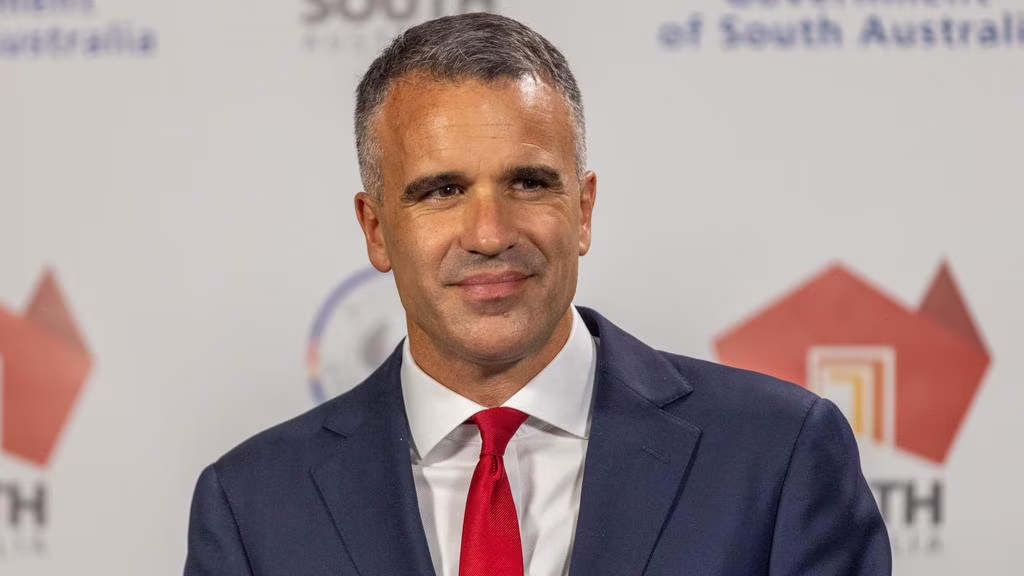
Premier Peter Malinauskas has won landslide victory in South Australia’s state election.
Taking to the stage at Labor’s election HQ on Saturday night to chants of “four more years”, Mr Malinauskas said he was “humbled”.
“More than anything else, tonight, I’m overwhelmed with a sense of gratitude,” he told party faithful.
“A gratitude to so many people who have provided this government the opportunity to be able to continue to serve. To be able to continue our work of making sure that the momentum in South Australia delivers for the people who deserves it most, and those are the people of South Australia.”
The Malinauskas government has outlined a broad health agenda for its next term, with major commitments spanning hospital infrastructure, mental health, aged care, women’s health, workforce development and regional ambulance services.
The package is a response to mounting pressure across the system, with Labor promising to ease demand on emergency departments, improve access to specialist care, and strengthen staffing in both metropolitan and regional areas of the state.
Labor has pledged to expand aged care capacity by 1300 beds state wide, describing the lack of aged care placements as one of the biggest pressures on South Australia’s hospital system.
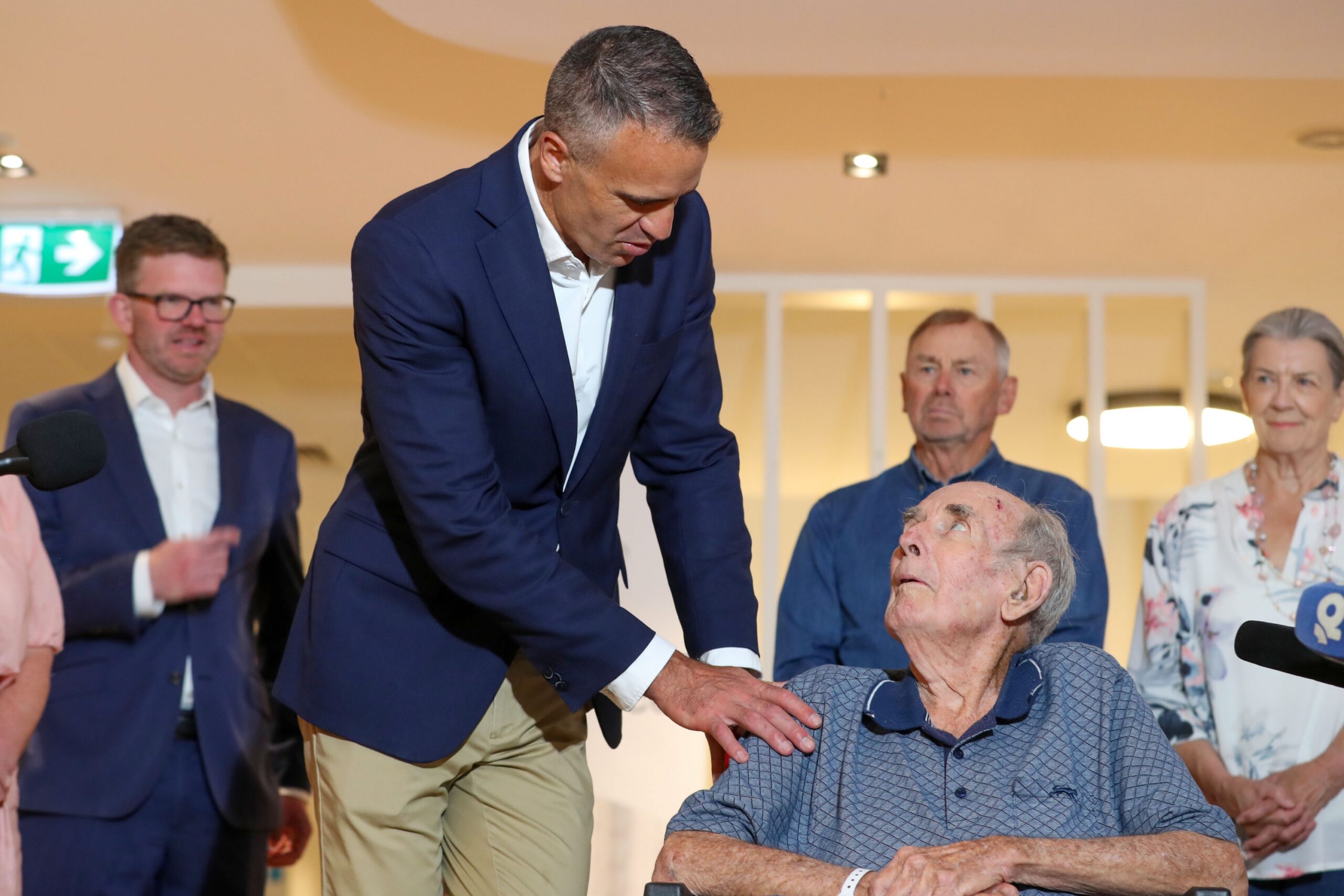
The number of older patients medically ready for discharge but unable to access aged care has surged from 60 in 2022 to 352 currently. These are patients who no longer need acute care but cannot safely return home, leaving them stranded in hospital beds.
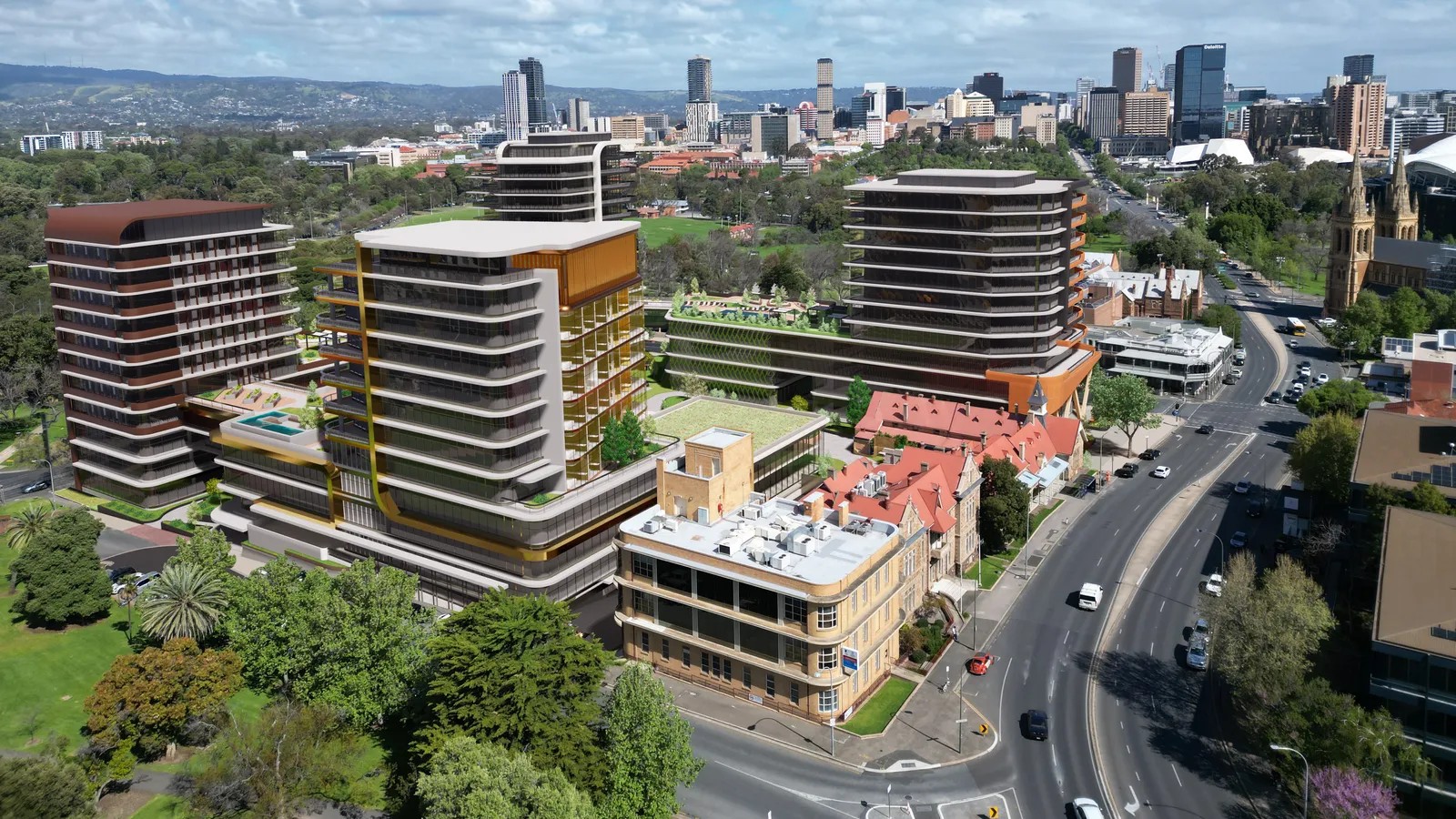
Labor plans to introduce a $250 million no‑interest Aged Care Loan Scheme to fast‑track construction of 650 new beds. A further 600 beds will be delivered through the redevelopment of the old Women’s and Children’s Hospital site into a dedicated Health and Aged Care Precinct.
Acknowledging the lack of aged care beds, Premier Malinauskas said he wants to “lead a government that sees a problem and then steps up to the plate and does something about it.”
“Every day there are hundreds of South Australians – and thousands across the country – stuck like this because they can’t get a federal government aged care bed,” he said.
“Although it’s frustrating the state government has to step in – we are not a government which sits back and observes a problem; we choose to act.”
The College Grove Aged Care Facility in Walkerville will also be revived in partnership with Amplar Health, adding another 70 aged care beds.
Ageing Australia CEO Tom Symondson congratulated Premier Malinauskas on gaining a second term, commending the party for its commitment to strengthening aged care services for older South Australians.
“These commitments recognise that investing in aged care benefits both older Australians and the broader health system,” he said.
“Australia’s population is rapidly ageing. Over the next 40 years the number of people aged over 85 will triple, and we need to ensure the right services and infrastructure are in place.
“Expanding aged care capacity improves the lives of older people, while also helping relieve pressure on hospitals.”
What older South Australians need: COTA
As SA begins a new political term, the state’s peak body for older people has warned that the next four years will be critical in addressing the pressures facing a rapidly ageing population.
COTA SA chief executive Miranda Starke said the feedback from older South Australians is that they are broadly satisfied with the election outcome, but many are watching closely to see whether their needs will be prioritised.
“We’re hearing some mixed messages,” she said.
“Overall, people seem satisfied with the result, but there’s also trepidation about the changing political landscape and what that might mean.”

In the lead up to Saturday’s election, COTA SA identified five priority actions it wants the re‑elected government to adopt, shaped by consultation with more than 2,500 older South Australians over the past year.
“Cost of living has been, for the last few years, the number-one concern for older people, followed by health and access to health services,” Ms Starke said.
Several priorities within COTA SA’s election platform focus directly on easing financial strain. It is calling for free emergency ambulance services for full age pensioners, noting that SA remains the only state or territory where pensioners are charged for callouts.
COTA SA is also seeking further reform of the Patient Assistance Transport Scheme (PATS) to better support regional residents who have to travel long distances for medical care.
Ms Starke welcomed recent changes expanding eligibility but said rising fuel costs mean people may not really notice the full benefit.
COTA SA’s five key priorities:
- State action on brain health: Better training for health and aged care staff, stronger support for carers, improved risk reduction and brain health promotion, dementia-positive communities, and coordinated planning across government and community.
- A life navigation service for people aged 50+: Co-designed with older people, to help individuals find the right support before they reach crisis. The service would provide practical one-on-one guidance, financial and service navigation, and peer support from people with lived experience, offering a safety net to help people get back on their feet.
- Free ambulance services for full age pensioners: Free emergency ambulance services for all full age pensioners, bringing South Australia into line with the rest of the country.
- Reform the Patient Assistance Transport Scheme (PATS): Extend PATS eligibility to better reflect the needs of regional communities.
- Streamline concessions and expand Seniors Card eligibility: A simpler, more automated concessions system that links state and federal datasets so people receive the concessions they qualify for.
At the heart of COTA SA’s campaign is the goal to make South Australia as age‑inclusive as it possibly can be. Ms Starke said that older South Australians are reporting that they often feel “ignored and invisible” in political decision‑making.
“A key goal for us is to make sure that older people continue to be considered and listened to in decision‑making,” she said.
“We see age often as the forgotten sort of ‘ism’, the forgotten diversity trait. It can be overlooked.
“We’ll continue to try and address that, to make sure that older people are not invisible and that they're absolutely part of the conversation.”
Looking ahead, Ms Starke said she is encouraged by the Premier’s commitment to inclusivity in his victory speech.
“What we’ve seen with this government over the last four years of its first term is a government that is open to listening,” she said.
“We have enjoyed a very positive and constructive relationship with the government as the peak body for 700,000 South Australians aged over 50; we have found them to be ready and willing to listen to the insights that we have to share.
“We see this as an opportunity to highlight the common values that connect us, regardless of age.”
Picture: SA Labor/Supplied.
What else for health?
The state’s healthcare workforce can expect a number of other key initiatives from the Labor government, including a strengthened ambulance service and a $33 million investment into women's health.
The creation of a new medical school training centre in Mount Gambier, designed to boost the regional medical workforce and improve access to care in country communities, will receive a $13 million investment.
In partnership with Flinders University, the centre will double the number of medical students training on site from 60 to 120 each year. Evidence shows students who train in regional areas are more likely to stay and work there.
Labor has also committed to building a new Greater Northern Adelaide Hospital at Concordia, placing a major health facility in one of the state’s fastest‑growing regions.
The nine‑hectare site has already been secured, with planning to begin immediately and construction expected early next decade, following completion of the new Women’s and Children’s Hospital in 2031.
The hospital is intended to ease pressure on Lyell McEwin Hospital and reduce the number of patients travelling into the city for care as thousands of new homes are built across the northern suburbs and Barossa corridor.
Email: rebecca.cox@news.com.au