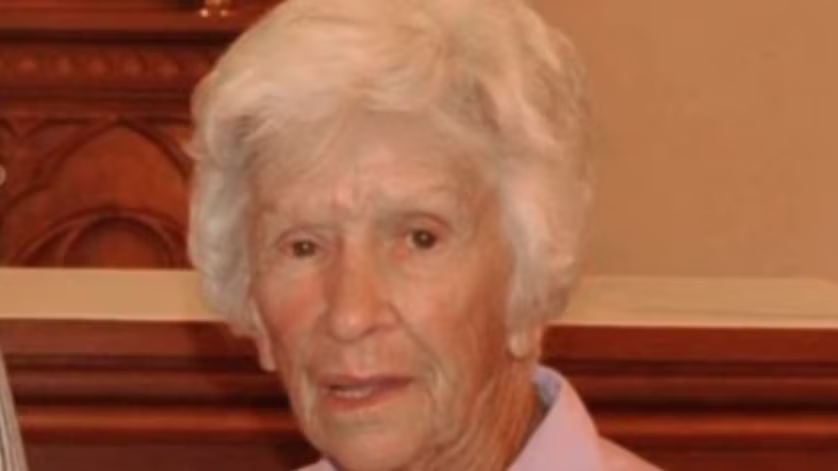
Dispelling the ‘rich boomer’ myth: How wealth stereotypes fuel ageism
A new report by COTA reveals one in four older Australians is actually living in poverty

The stereotype that older Australians are uniformly wealthy is not only inaccurate but actively fuels ageism, according to the latest research from COTA Australia.
The 2025 State of the Older Nation report reveals an uneven reality, challenging assumptions that can undermine effective policy and care within the aged care sector.
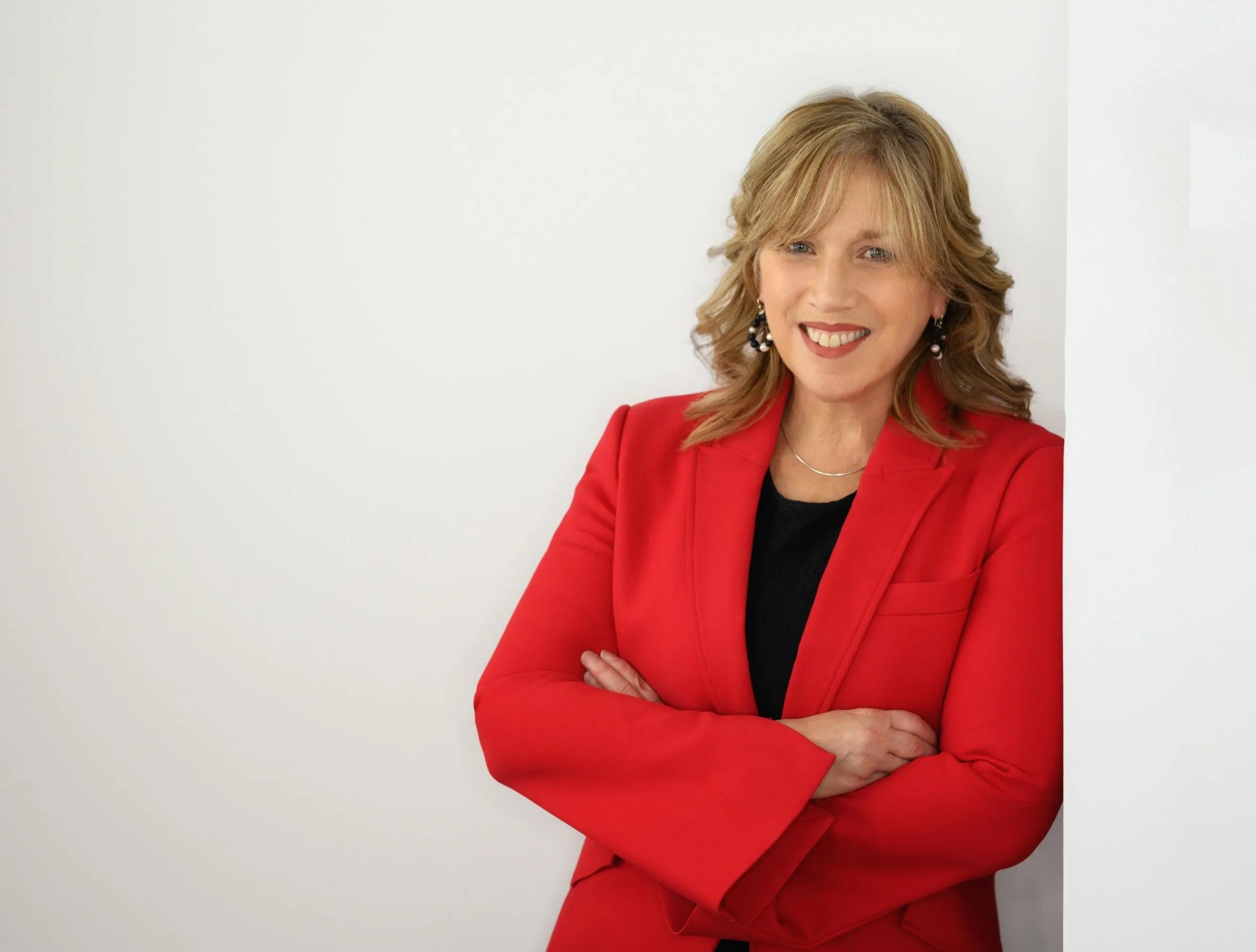
COTA Australia chief Patricia Sparrow said this assumption of wealth is a misconception, and needs to be dismantled.
“The lazy stereotype of the ‘rich boomer’ needs to be put to rest,” she said.
The research indicates that while many older Australians report feeling positive about their personal lives, there is a significant portion of the population that face considerable hardship, with the report revealing one in four older Australians is living in poverty.
“For every older Australian living comfortably, there’s another counting every dollar, skipping meals, or even putting off healthcare,” Ms Sparrow said, exposing a sharp divide in financial security, housing, health, and social connection.
The report also reveals widespread experiences of ageism.
Almost half of older Australians surveyed (48 per cent) felt things are getting worse for older Australians at a general level, primarily due to cost-of-living pressures impacting healthcare, aged care, and housing affordability.
Furthermore, 38 per cent reported experiencing one or more forms of ageism since turning 50, a trend that appears to be growing.
This ageism, Ms Sparrow said, often perpetuated by the “rich boomer” narrative, has tangible and detrimental consequences.
“Policy built around stereotypes will always fail the people at the margins, and right now, too many older Australians are being pushed to the margins,” she warned.
One critical area where this impact is felt is in healthcare access.
The report found that one-in-seven older Australians either delayed or skipped taking medicines for cost reasons, with prescription medicines being the most frequently foregone.
Women (17 per cent) were more likely than men (11 per cent) to skip medicines due to cost, as were renters (26 per cent) and those experiencing poverty.
Beyond financial struggles, older Australians also report feeling undervalued. Nearly half (46 per cent) agreed they are less valued by society or politicians now than when they were younger.
This sentiment is reinforced by the fact that just over half (54 per cent) believe government policies do not meet the needs of people their age.
The wealth stereotype also acts as a barrier to older Australians’ participation in the workforce. Ageism is cited as a key deterrent, preventing 36 per cent from wanting or being able to re-enter the workforce, impacting not only individual financial security but also representing a loss of valuable experience and skills for the broader economy.
Regional older Australians face compounding pressures, experiencing rising living costs, reduced access to services, and social isolation.
Almost half (48 per cent) of older Australians surveyed felt lonely in the past week, highlighting a significant need for greater community connection and support.
Ms Sparrow has called for a long-term, comprehensive action plan for Australia’s ageing population, as the findings of the State of the Older Nation report serves as a powerful call to action for the Federal Government.
“What’s required now is a 10-year, whole-of-government plan for an ageing Australia that deals with the real pressures people face as they get older,” she said.
“An ageing population shouldn’t be treated as a crisis to manage. It should be planned for properly, with clear responsibility and long-term investment.
“If we don’t plan properly now, we’ll lock in inequality and instability for decades to come.”
Email: rebecca.cox@news.com.au