Human Rights Commission links ageism to health harms
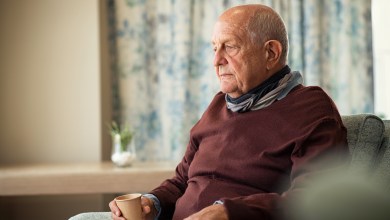
For older individuals, ageism can lead to emotional distress, a sense of disempowerment, and the internalisation of negative beliefs about ageing

A new report from the Australian Human Rights Commission (AHRC) has revealed that older Australians are frequently dismissed, excluded, and stereotyped in healthcare settings, placing their access to vital care at risk.
The age barrier: older adults’ experiences of ageism in health care draws on the lived experiences of older people, their families, and sector experts, supported by a comprehensive literature review, to expose the pervasive nature of ageism across the country's health system.
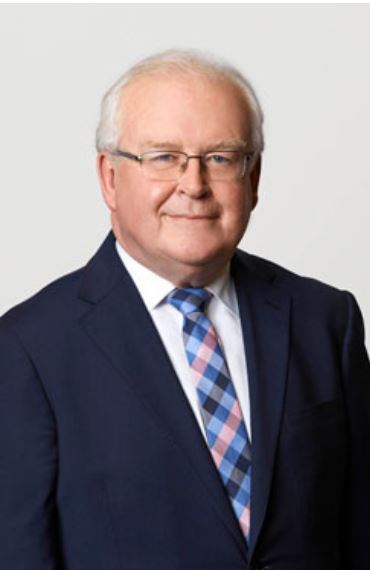
Age Discrimination Commissioner Robert Fitzgerald AM said the report “holds a mirror up to our health system.”
“It reflects the voices of older people who have too often felt unseen, unheard or undervalued,” he said.
“It is also a call to action: to listen more closely, to challenge assumptions, and to work towards systems that treat every person as an individual, not a stereotype.”
Pervasive experiences of ageism
The report’s findings indicate that older adults perceive ageism across all levels of the healthcare system, from frontline interactions with staff to broader systemic and policy issues.
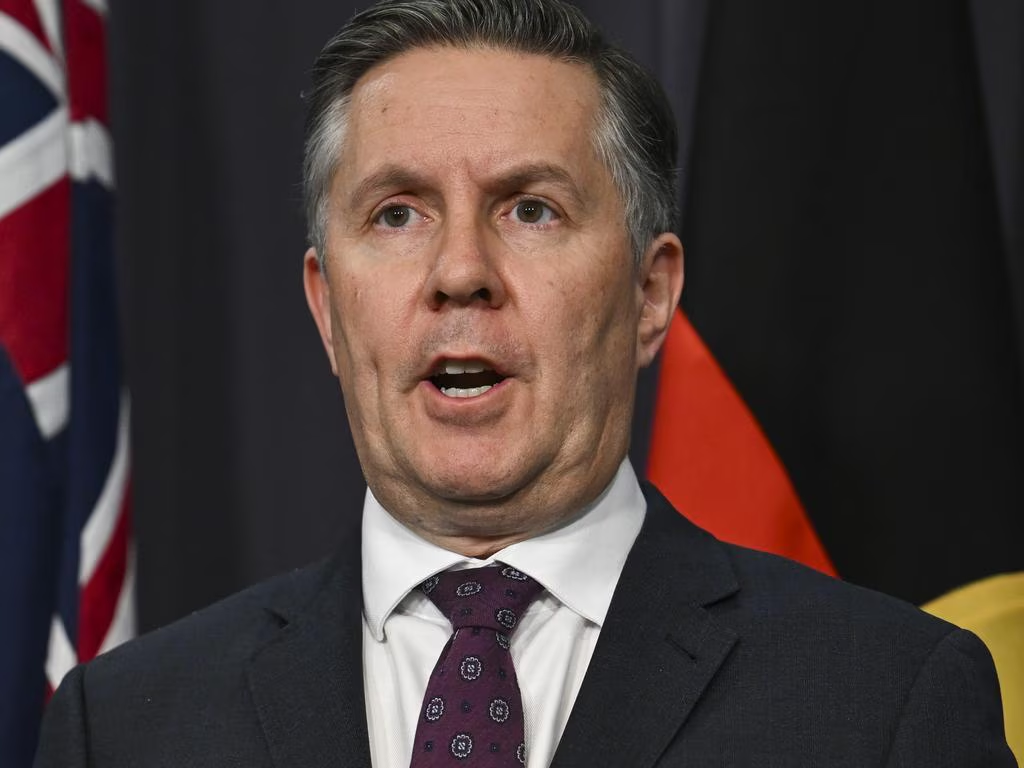
Picture: NCA Newswire.
“People told us they felt rushed through the system, treated like a burden, a caricature, just another number. They described being dismissed by medical staff, spoken down to, excluded from decisions about their own care and having conversations directed to their family members instead of them,” Commissioner Fitzgerald.
“Many said their concerns were ignored, their autonomy overlooked and assumptions made based solely on their age.
“Ageism, or even the perception of it, has serious consequences. It is linked to poorer health outcomes, delayed recovery, reduced quality of life and even earlier death.”
Common experiences of ageism among older Australians include age-based assumptions by health professionals, where health concerns are attributed to age rather than individual need.
Disrespectful communication and limited involvement in care decisions are also frequently reported, with conversations often directed to family members instead of the patient themselves.
These perceptions not only shape older people’s experiences of healthcare but also directly affect their health outcomes.
Consequences for individuals and the system
The AHRC report details consequences of ageism in healthcare that are profound and far-reaching.
For older individuals, these experiences can lead to emotional distress, a sense of disempowerment, and the internalisation of negative beliefs about ageing.
This can result in an unwillingness to engage with health services or a tendency to dismiss their own symptoms as ‘just old age’, thereby delaying necessary care.
Systemically, ageism compromises the quality of care provided and can create significant gaps in treatment.
The report also highlights that ageism intersects with other forms of discrimination, such as racism, compounding disadvantage for vulnerable groups like First Peoples. Structural barriers, including age limits on services and exclusion from medical research, further exacerbate these issues.
Call to action
While the report's findings are damning, Commissioner Fitzgerald emphasised that it's release does not seek to assign blame, but rather to illuminate the voices and lived experiences of older adults, inviting reflection on how healthcare systems can better uphold principles of equity and respect.
“This report is not about blame. It is an invitation to doctors, nurses, allied health staff and their employers to work with us toward generational reform. To build a system where every person is treated with dignity, empathy and respect, not as a stereotype, but as a human being.”
To address these critical issues, the report recommends urgent action across three key areas:
- Collaborative reform: Partnering within the health sector to review clinical guidelines, improve training, and co-design age-inclusive models of care with older adults.
- Raising awareness and challenging bias: Implementing targeted education and ageism awareness training for health professionals.
- Strengthening the evidence: Investing in research to measure the impact of ageism and its intersection with other forms of discrimination.
‘Breaking the Age Barrier’
In response to the report’s findings, the AHRC has launched a new project aimed at the health sector.
Breaking the age barrier: transforming age attitudes in health care, supported by funding from the Department of Health, Disability and Ageing, involves interactive workshops designed to challenge stereotypes, improve communication, and promote quality, person-centred care.
Building on evidence from the Commission’s 2023 report Changing perspectives, which showed that even a single, well-designed educational workshop can create lasting positive changes in attitudes and behaviours towards older people, these workshops aim to embed positive attitudes toward ageing across the health sector, helping participants reflect on assumptions about ageing and explore practical strategies to improve care.
Health and community organisations are invited to co-host these free workshops, which offer benefits such as gaining practical ideas for age-inclusive practices and collaborating in a national effort to reduce ageism.
Participants will gain increased understanding of age beliefs and stereotypes, knowledge of how ageism effects health, and confidence to promote positive ageing in the workplace and community.
Email: rebecca.cox@news.com.au