This residence combines nutrition, tech innovation and care: case study
In this WA facility dedicated ‘homemakers’ work with an integrated care management system
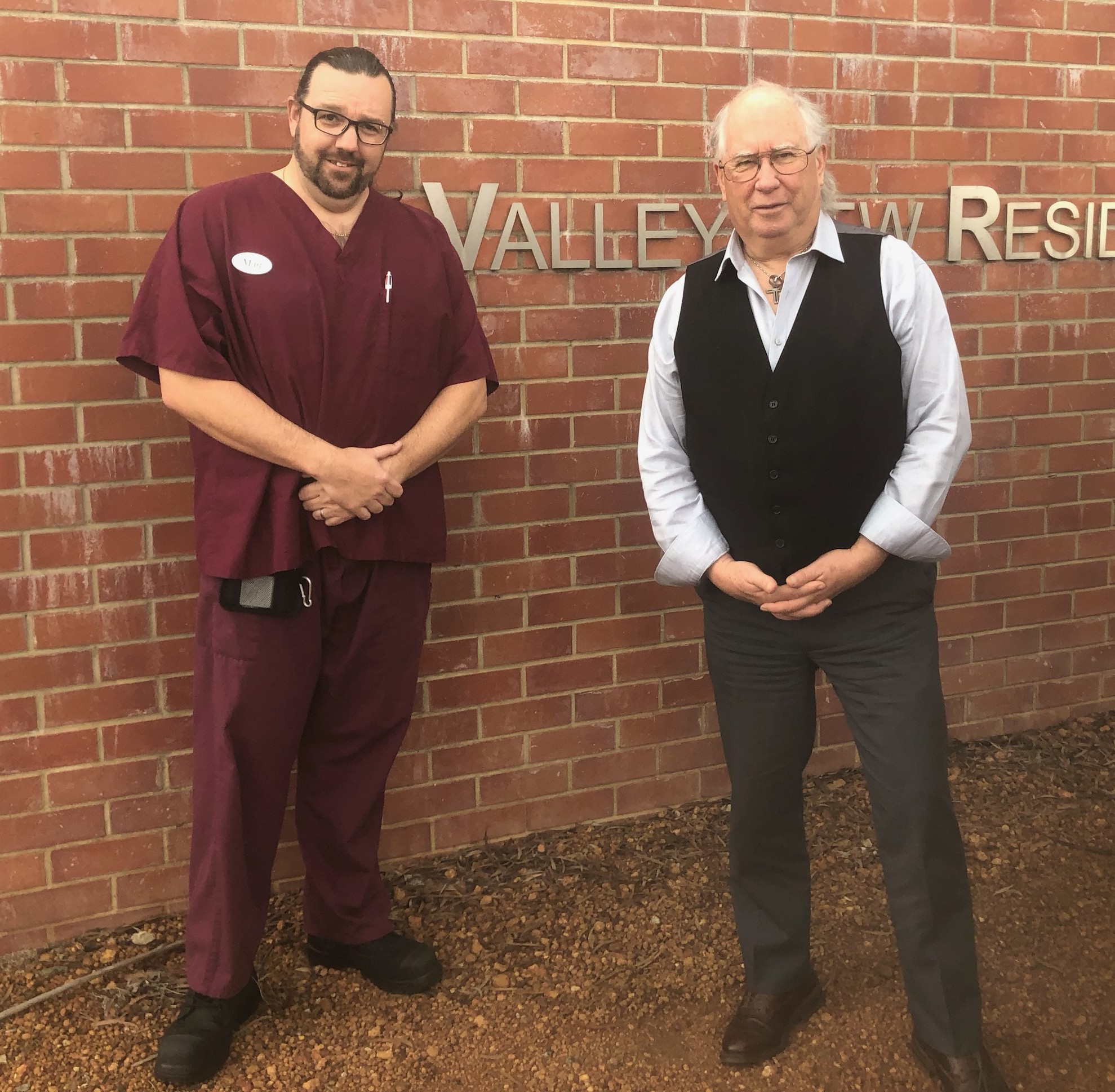
Nestled in the tranquil valley of Collie, Western Australia, ValleyView Residence is more than just an aged care facility, it’s a community. A close-knit, medium-sized haven where the dignity and individuality of each resident take centre stage.
With 64 beds, the residence offers the warmth and personal touch of a boutique environment but also faces the distinct challenges of operating in a regional area; workforce shortages, reliance on agency staff, and limited access to specialist allied health services are part of the daily reality.
Yet, amidst these obstacles, the provider aims to distinguish itself with a reputation for innovation and a deeply person-centred approach to nutritional care.
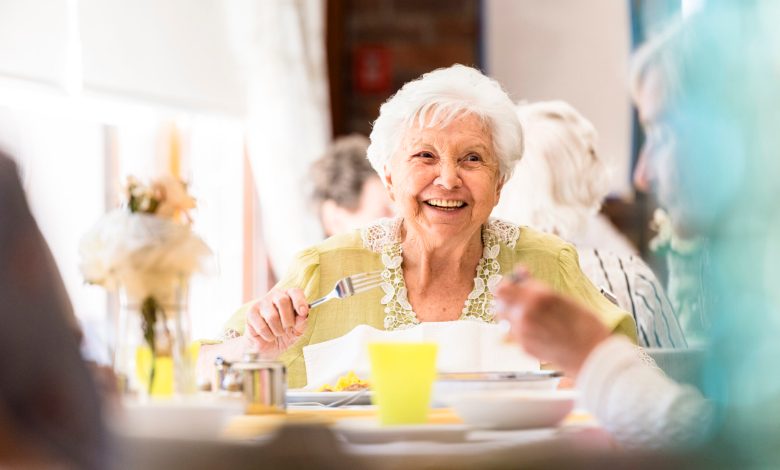
At ValleyView, food is not just fuel – it’s a moment of comfort, connection, and respect.
Mealtimes are more than routine; they are an integral part of residents’ well-being, shaped by their preferences, needs, and dignity. The facility’s approach to food services reflects this philosophy.
Rather than further burdening busy care workers with meal preparation duties alongside their other role responsibilities, it employs dedicated ‘homemakers’ in each of their four wings.
These employees focus on food services, ensuring the dining experience is personal, attentive, and tailored to each resident. Meals are not just served; they are shared, prepared with care, and adapted in real-time to reflect the unique needs of every individual.
But the dedication to person-centred care doesn’t stop there, extending the positive resident experience beyond the dining table.
The facility has embraced digital technology to support its mission, utilising an integrated care management system, Person Centred Care (PCS), which enhances individualised care through improved agility and personalisation.
Imagine this: resident Joely is newly diagnosed with dysphagia, requiring texture-modified meals. Without the PCS model, this update may take hours, or even days to be relayed to all necessary parties, risking miscommunication or delayed care.
“The new dietary requirement entered into the digital care plan is instantly shared across all relevant teams. Homemakers are informed during handovers, the kitchen team receives updated instructions, and the food eaten and fluid consumed is entered by homemakers using handheld devices in real-time, all without duplicating data entry,” clinical manager Matt Elks explained.
This seamless flow of information, known as “enter once, used everywhere,” eliminates silos and ensures that every meal aligns with resident needs.
On top of increasing communication efficiency, the care team also actively uses digital tools to enhance the quality of care. They employ nutrition and food charting systems to manage the intricate dietary needs of aged care residents, including the Malnutrition Universal Screening Tool (MUST) to assess each resident’s nutritional risk level, color-coded as low, medium, or high. These allow the Registered Nurses to quickly identify and prioritise resident care actions before the risks escalate.
Homemakers and care staff capture every detail of a resident’s dietary experience into their digital system, from food textures and allergies to utensil preferences and alcohol choices. If a resident prefers their meals in their room or requests smaller portion sizes, care staff ensure these preferences are automatically reflected in kitchen reports and homemaker schedules.
This data collection leads to a dining experience that feels deeply personal, respectful, and thoughtful, transforming food from a task into an expression of care.
Hydration, an overlooked but critical aspect of aged care, is another area the care team regularly monitors. The clinical manager and registered nurses track the fluid volumes offered to and consumed by each resident, monitor hydration trends, and identify any changes.
For the staff, the combination of their homemaker model and digital technology has created a harmonious balance between innovation and human connection.
While additional technology has aided in the streamlining of logistical aspects of care, the homemakers continue to provide the personal touch, building relationships with residents and creating a warm, homely atmosphere during mealtimes. This synergy allows the team to focus on what truly matters: the residents’ happiness, health, and dignity.
Homemaker Lynda recalls a moment that perfectly encapsulates the power of this approach.
“There’s a resident, Margaret, who had always been hesitant about mealtimes,” she said.
“She’d often eat very little and seemed disengaged. But through our digital system, we learned about her love for soft, traditional desserts, things like custards and puddings that reminded her of her childhood.
“We started incorporating those into her meals, and it was like a light switched on. She began eating more, smiling more, and even sharing stories from her past.
“It’s those moments that remind us why we do what we do.”
Margaret’s story is just one example of how this person-centred approach transforms lives. With the support of digital technology, attentive homemakers can identify residents’ needs, ensuring that every resident feels seen, heard, and valued.
The results speak for themselves, with more than 90 per cent of residents satisfied with the last meal they were served, happy with the meal’s presentation and the quality of the food being served, and feel they are being listened to. All of them are happy with the serving size and time of meals served.
The leadership team believes that digital technology is not just a tool; it’s a partner in their mission to provide exceptional care.
“We’re not just meeting regulatory standards,” CEO Mark Sheldon-Stemm said.
“We’re exceeding them by creating an environment where residents feel truly cared for. Our digital systems help us capture the nuances of each resident’s needs and preferences, but our people bring that data to life. This combination of heart and technology makes all the difference.”
With the new Aged Care Act coming into effect this November, the aged care sector is entering a new regulatory environment. Facilities such as ValleyView Residence are demonstrating that person-centred care is not only possible but also essential. By prioritising human connection and adopting innovative technology, they are setting a new standard for aged care.
For other providers looking to adopt a similar model, this residence offers an inspiring example of combining strategy, empathy, and technology to elevate care.
It reminds us that, at the heart of aged care, it’s not just about meals or systems, it’s about people. It’s about creating a place where residents feel at home, where their voices are heard, and where every meal is an opportunity to honour their individuality and dignity.
At ValleyView Residence, food is more than nourishment. It’s a story, a connection, and above all, a reflection of the belief that every resident deserves care that is as unique as they are.
This belief lives at the heart of the table, every single day.

Ping Yu is a Professor at the University of Wollongong School of Computing and Information Technology's Centre for Digital Transformation.
As a leader in digital health and aged care research, Professor Yu is committed to improving health outcomes through innovative technologies and has worked with the World Health Organisation, NSW Health and aged care providers across Australia.
Email: rebecca.cox@news.com.au