Disused aged care transformed into safe haven for older women
The initiative is a collaboration between government, business, charities and community
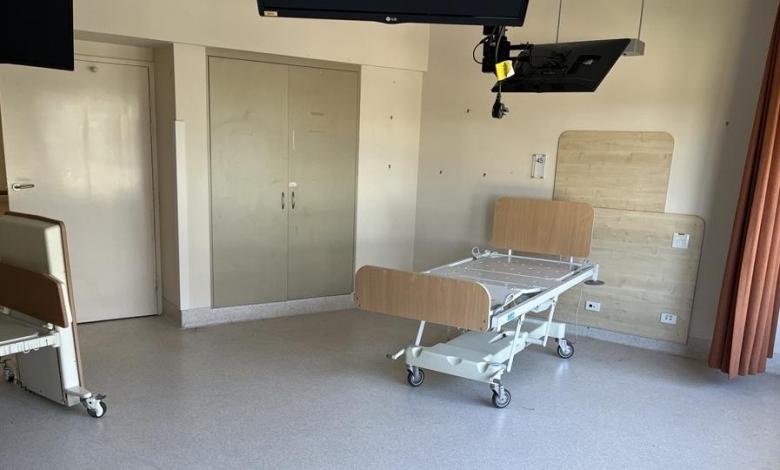
A former aged care home in south west Sydney is being converted into temporary housing for older women at risk of homelessness, backed by government funding.
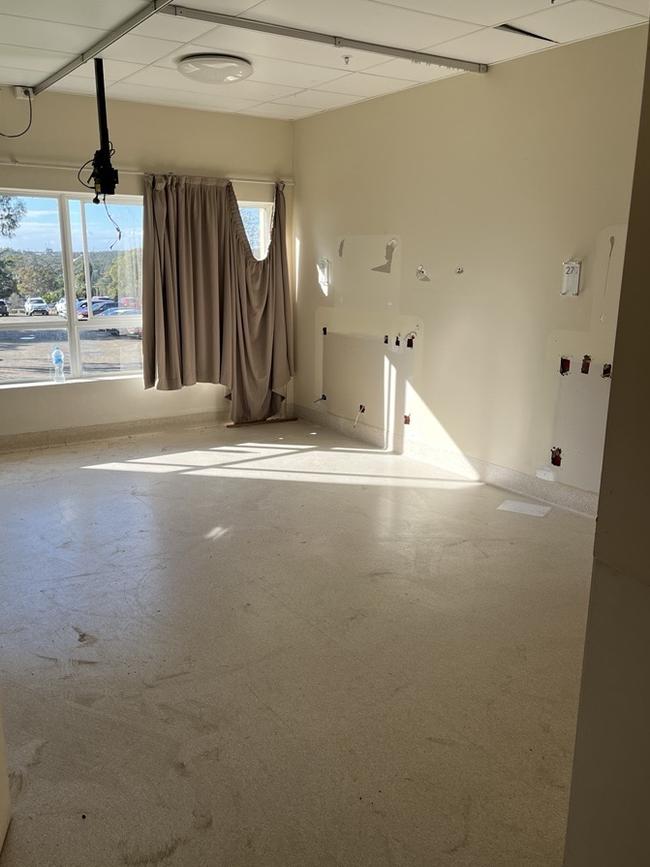
Renovations of the disused residential care home in Glenfield, Whiddon Easton Park, have begun as a result of a collaboration between private sector property holders, charities and public funding.
Planning changes introduced by the Minns government in late 2024 have allowed work on the site to begin without an often extensive development application (DA) process, the exemption provided under “meanwhile use” planning controls.
The “meanwhile use” policy allows for re-purposing vacant or underutilised properties into transitional housing accommodation.
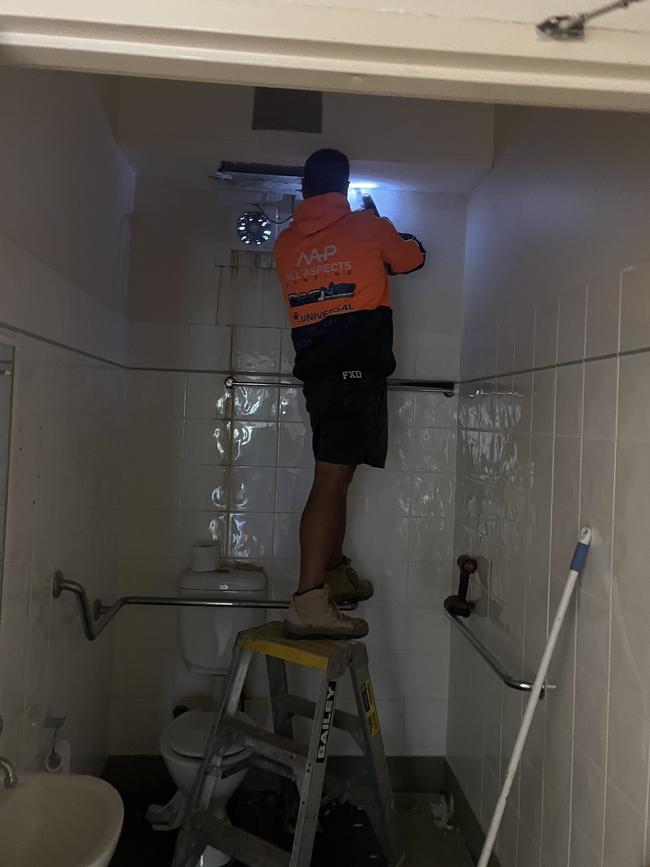
Not-for-profit aged care provider Whiddon made its facility available for use for the project, with Sydney-based developer Urban Property renovating the site pro-bono. Charity Housing All Australians coordinated the project.
Urban Property manager Nick Gaudry said when he heard about the opportunity to convert the site, “it was an easy yes”.
“Our team rolled up their sleeves, and we reached out to our suppliers, many of whom jumped in to help with materials and labour,” he said.
“We’re proud to play a part in creating safe, welcoming spaces for women who need them most.”
Picture: Supplied.
Picture: Supplied.
Conversion of the site is set to add 28 beds for older women at risk of homelessness by October as part of the Women’s Community Shelters network.
Census data has indicated older women have been the fastest growing demographic at risk of or experiencing homelessness since 2011.
Women’s Community Shelters chief executive Annabelle Daniel said the charity, which is set to run the facility, “creates safe havens for Australian women escaping the cycle of violence and homelessness”.
“As well as continuously growing our crisis shelter network, we create longer-term transitional housing such as this ‘meanwhile use’ conversion of vacant property, where women can rebuild their lives with support,” she said.
“We thank the NSW government for embracing our ‘meanwhile use’ model as a pragmatic response to the NSW housing crisis disproportionately impacting older women.”
The initiative is co-funded with $446k from the government’s Homelessness Innovation Fund, which provides one-off grant funding to support novel and cost-effective approaches to temporary accommodation.
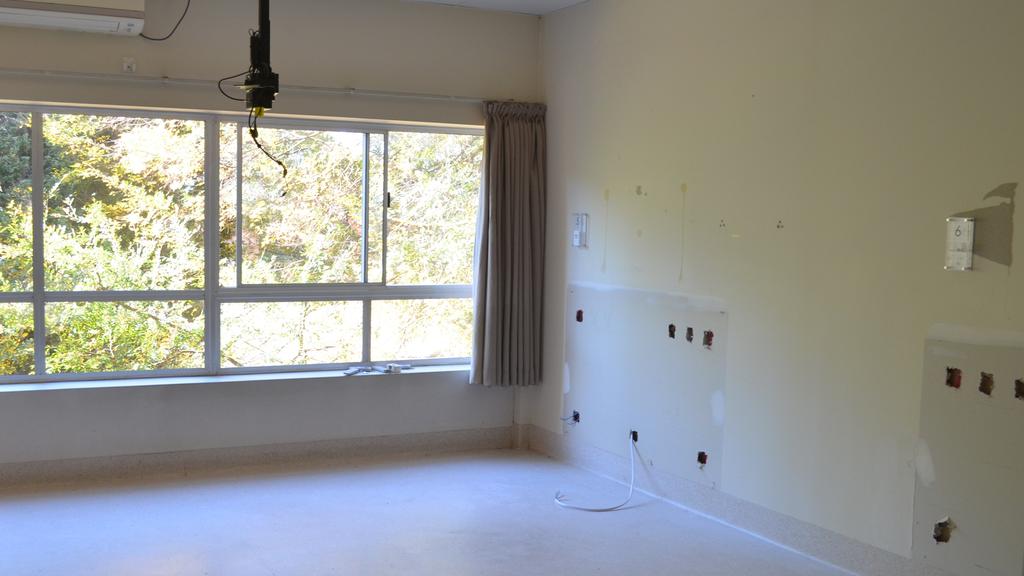
Whiddon’s involvement goes beyond simply providing the property, with the not-for-profit aged care provider making a long-term commitment to support the new facility's residents with training and employment pathways.
CEO Chris Mamarelis said the organisation is always looking for more ways to contribute to the wider community as part of its Collaborative Health Care initiative.
“Through this provider-led approach, we’re building multi-sector partnerships aimed at improving health and aged care for older Australians in rural and regional communities through better integration of care, resource sharing, and collaborative governance,” he said.
At the end of May 2024, there were 66,698 households waiting for social housing in NSW. In the 12 months since March 2024, the median waiting time for applicants to social housing has fallen from 24 to 15 months.
“While [the property] Raines House was decommissioned as a residential aged care home, as it was no longer suitable for specialist aged care services, we saw an opportunity to give it new purpose. By making the vacant building available for use as a women’s shelter, we’ve been able to contribute in a practical and deeply impactful way,” Mr Mamarelis said.
“This project shows what’s possible when like-minded organisations and government unite around a common goal.”
Email: rebecca.cox@news.com.au