ARIIA accelerator grants drive regional aged care innovation
The grants aim to create a “sector-wide culture of collaboration and innovation”

Ten Australian aged care projects driving innovation in the sector have received much-needed funding.
Aged Care Research and Industry Innovation Australia (ARIIA) has announced the winners of its 2025 Accelerator Grant program, with the recipients list including researchers, providers and community services working to raise the bar in Australian aged care.
ARIIA chief Reuben Jacob said the organisation is committed to “moving the dial on improvements in Australian aged care provision by boosting innovation across the industry.”
“This will facilitate the roll out of new approaches, encouraging the use of novel technology solutions, better data management and information sharing, as well as new workforce approaches to improve care for our ageing population.”
Since its inception in 2021, ARIIA's Aged Care Collaborative has invested $16.9 million into what it refers to as “transformational programs” aimed at driving positive change in the sector, supported by the Department of Health, Disability and Ageing.
The combination of the 2025 Accelerator Grant program and the soon-to-be announced Flagship Project Grants will see $6 million in grant and sector co-contribution funding distributed to aged care projects across the country.
ARIIA program and research director Dr Rebecca Bilton commended all applicants, saying the 2025 program was extremely competitive.
“Above all else we want to make sure that our funding delivers results for the sector. Many of our previous grant winners have already commercialised or scaled their projects and are delivering solutions that transform the ways aged care providers manage and deliver their services and enhance their quality of care,” she said.
“The ARIIA Accelerator Grants are also about an investment in workforce capability to augment the way care is delivered or where it is delivered. We need to support a new kind of aged care workforce that is flexible, agile and empowered. This can only come from a sector-wide culture of collaboration and innovation.”
Projects funded by the 2025 Aged Care Collaborative Accelerator Grant include:
- Enhancing Quality and Access to Specialist Dementia Care Through Goldilocks Technology
Goldilocks Suit in partnership with ECH Inc, University of Adelaide, ThincLab, and Shenzhen Qingather Biotechnology - Music Attuned Technology to predict and treat agitation in people with moderate to severe dementia
The University of Melbourne in partnership with the Southern Adelaide Local Health Network - AI-Powered Palliative Care Assessment Tool (PCAT) for Aged Care Workforce Support
La Trobe University in partnership with Sunraysia Community Health Services, Monash Health, Jacaranda Village and Regis Mildura Aged Care - Implement a post-diagnostic allied health program run by a rural aged care provider for people in the community with dementia
Harbison Memorial Retirement Village in partnership with the University of Canberra and University of Technology Sydney - Deepening connections: Cultural storytelling at the heart of respectful and safe care for Aboriginal people in residential care
University of Tasmania in partnership with Emmerton Park - Empowering CALD Home Care with AI: Minimising Paperwork, Maximising Workforce Capacity
Australian Multicultural Community Services in partnership with Swinburn University of Technology. - Implement an aged care context-specific digital decision support tool to enable best-practice
Bolton Clarke in partnership with Queensland University of Technology - Homeara+: Enhancing Health Smart Home Monitoring with Machine Learning to Support Ageing in Place and Regional Aged Care Workforce
University of the Sunshine Coast in partnership with Suncare Community Services, Betty Irene Moore School of Nursing and University of California, Davis - Identifying and reducing stress and job turnover in aged care workers using an innovative virtual-reality approach
Deakin University in partnership with La Trobe University and Sundale - Implementation of the Sound Scouts Hearing Screening technology in regional Australia
Sound Scouts in partnership with Whiddon, Hearing Australia and Macquarie University
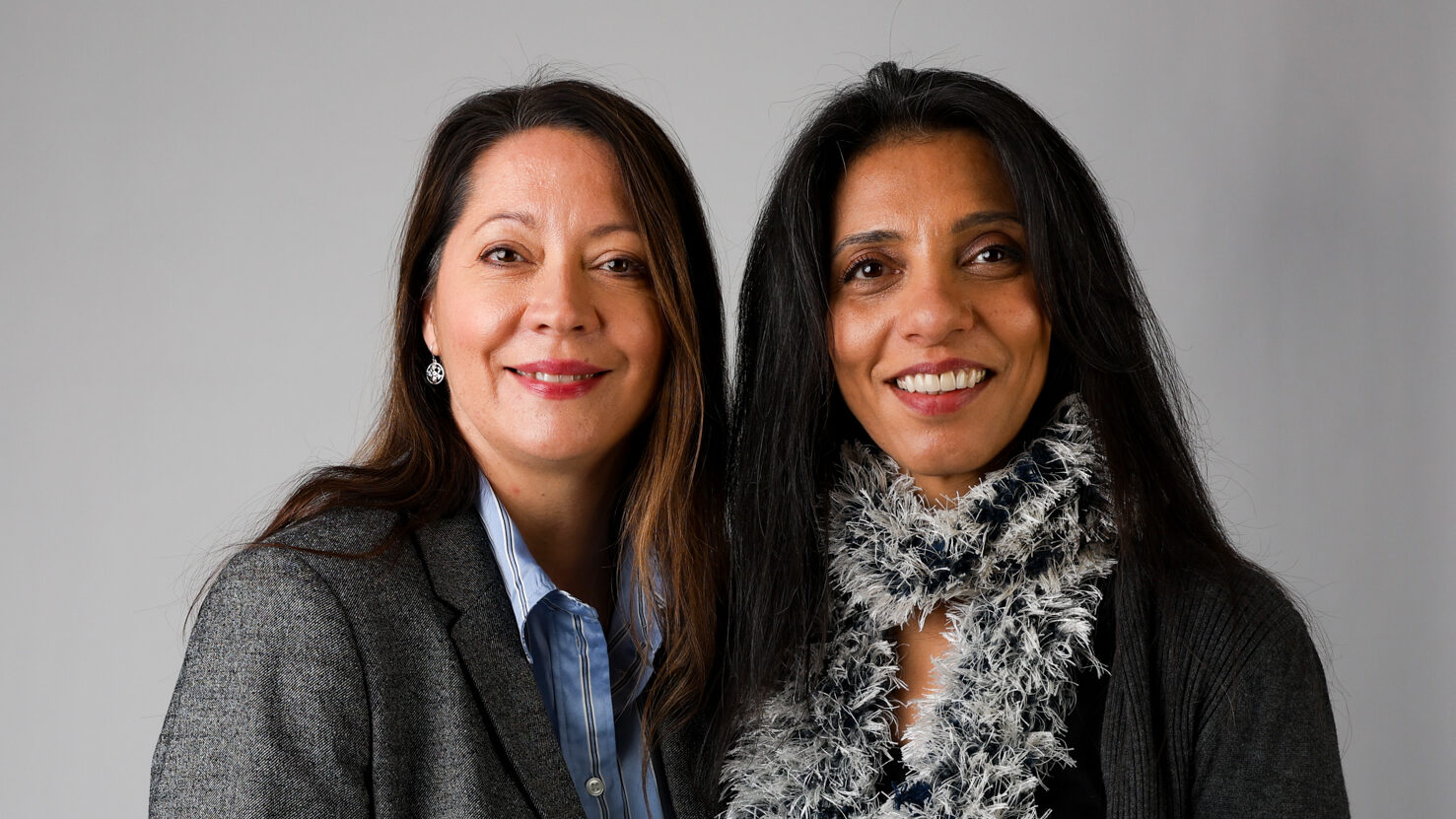
As a grant recipient, the University of the Sunshine Coast (UniSC) is partnering with Suncare Community Services, Betty Irene Moore School of Nursing and University of California, Davis to deliver Homeara+: EnhancingHealth — a smart home monitoring project that aims to support more older Australians to safely age in place and provide extra capacity to regional aged care workforces.
UniSC’s Associate Professor Rania Shibl, technology discipline lead at the School of Science, Technology and Engineering, said their project shows how innovation can augment home care in support of aging in place.
“By combining health smart home technology with machine learning, we’re creating a way to potentially spot early signs of health changes so older adults can stay independent longer and care teams can focus their time where it’s most needed,” she said.
“It’s about moving beyond traditional, reactive models to a more proactive, personalised approach that supports both older Australians and the workforce that cares for them.
“We hope it sets a path forward for how health smart homes can augment home care to become a new model of care.”
ARIIA will announce the recipients of additional Flagship Project Grants in the coming weeks.
Email: rebecca.cox@news.com.au