Federal Budget 2026/27: Health, housing and ‘intergenerational equity’
Tax changes, fuel security and transport are just some of the key areas Labor will address in the May 12 budget
Strengthening the economy, tackling intergenerational inequity and building Australia’s resilience are among the key themes of the government’s forthcoming federal budget, which Anthony Albanese has hailed as consistent with “Labor values”.
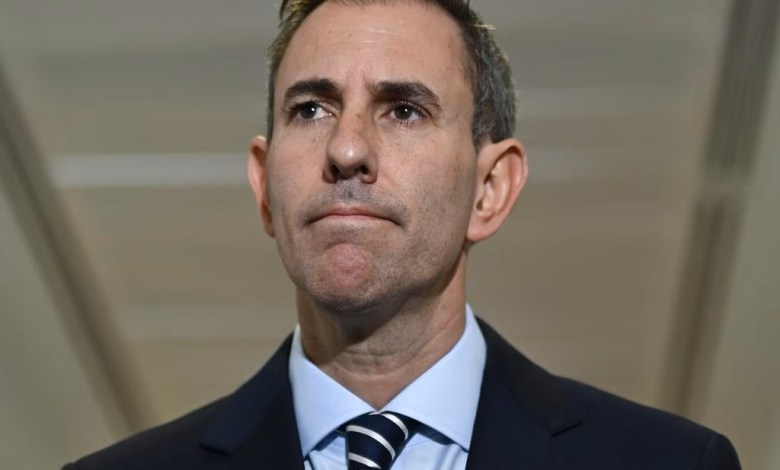
On May 12, Treasurer Jim Chalmers will hand down the government’s annual economic road map against a backdrop of global energy shocks, climbing cost of living and a national debt edging toward $1 trillion.
Last month, the International Monetary Fund (IMF) warned that intensifying energy price shocks caused by the Iran war could trigger a global recession.
At the time, the IMF cautioned governments, including Australia’s, to rein in public spending to combat high inflation.
The Reserve Bank of Australia (RBA) issued a similar warning on Tuesday after delivering the country’s third consecutive rate hike this year.
Mr Chalmers has himself warned the Australian economy is “hostage to economic turmoil” but promised the budget will deliver $64bn in “reprioritisations” and savings.
He told reporters on Friday that fuel security, cost of living, housing, productivity, tax reform, and “a very substantial savings package” were the budget’s key priorities.
“This is all about making our budget more sustainable over time,” he said.
Here’s what we know about the federal budget so far.
HEALTH
Aged care
The government is investing $3 billion to expand aged care capacity, including 5000 new residential beds each year and increased support for providers caring for disadvantaged residents. It also includes over $200 million for dementia services, adding specialist care units and easing pressure on mainstream facilities.
To fund this, the government will reduce higher private health insurance rebates for people over 65, redirecting the savings into aged care.
Urgent care clinics
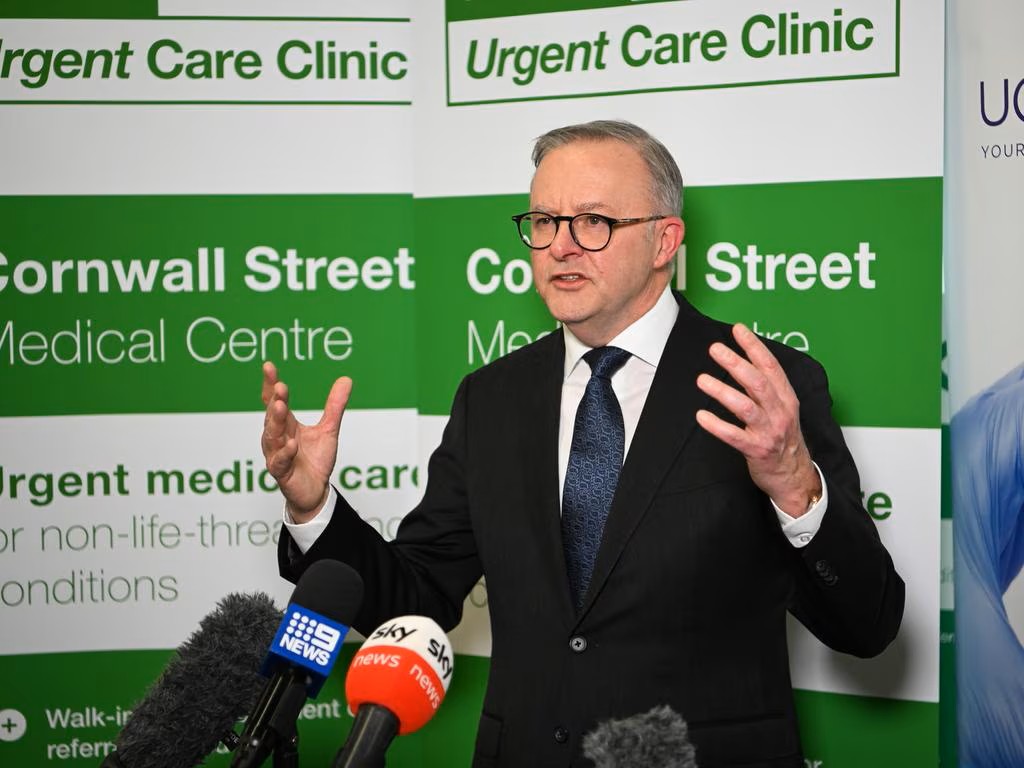
The government has pledged an extra $1.8bn over five years from 2025-26 and $525.6m a year ongoing from 2030-31 to fund Medicare Urgent Care Clinics.
The clinics are a flagship health policy of the government and offer walk-in and bulk-billed urgent care.
Hailed by Mr Albanese as “good for wallets, good for health, and taking pressure off local emergency departments”, critics argue the clinics are a far more costly way of delivering healthcare, with government findings revealing they are five times more expensive than standard GP consultations.
The Royal College of Australian General Practitioners has also said the “value in addressing Australia’s patient care challenges remains unclear”.
National Disability Insurance Scheme (NDIS)
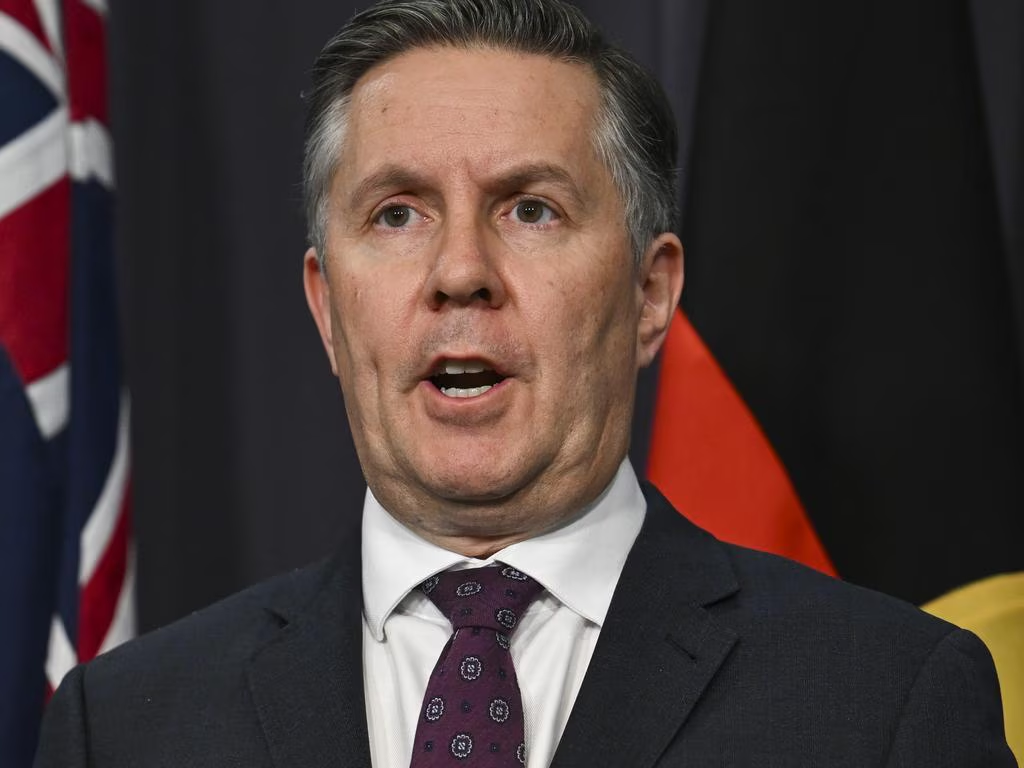
Some $15bn will be cut from the NDIS over the next four years under sweeping reforms announced by NDIS and Health Minister Mark Butler.
The changes will target “scheme inflation” and crack down on eligibility requirements.
Mr Butler said the reforms would reduce the scheme’s cost to $55bn over forward estimates instead of more than $70bn in 2030, as current projections show.
The changes will also result in about 160,000 people being removed from the scheme by the end of the decade.
Mr Butler insisted the changes were not a budgetary decision but designed to tackle the ballooning cost of the program, which had become an easy target for rorters and organised crime.
“I want to be really clear, this is exactly the package I would have taken to the Expenditure Review Committee, no matter what the budget context, because this is the right package for the NDIS, and it’s the right package for participants,” he said.
Cost of living
One-time cash boost
The Australian reported this week that Mr Chalmers was preparing to unveil a one-off stimulus – dubbed an “earned income offset”– of between $200 and $300 for every Australian who gets a wage or salary and pays tax.
It comes after RBA governor Michelle Bullock warned of the impacts of federally subsidised cost-of-living relief on inflation.
“The extent to which government makes up the shortfalls for households by giving them more money, it makes it harder to dampen demand,” she said.
“When governments are spending a lot of money and we’re running up against capacity constraints, then they do need to think about whether or not there’s ways they can help the inflation problem by looking for ways to constrain demand.”
Neither Mr Chalmers nor Mr Albanese have confirmed reports of the offset.
Fuel excise
NewsWire understands the government is considering extending the fuel excise cut amid pressure from the tourism sector. It halved the tax for three months in March, shaving off 26.3 cent per litre of fuel until June 30.
Paired with a reduction in the heavy vehicle road user charge, the measures were estimated at $2.55bn.
Fuel security
The Prime Minister announced $10bn would go towards bolstering Australia’s fuel security and resilience.
He said $7.5bn would go towards providing financial support for the supply of fuel and fertiliser, including loans, equity, guarantees, and insurance, while $3.2bn would fund an onshore fuel security reserve.
The reserve would hold about one billion litres.
The minimum stockholding obligation (MSO) will also be raised to increase Australia’s critical fuel reserves to 50 days. Changes to the MSO were first proposed by the Coalition last month when Opposition Leader Angus Taylor sought to more than double it to 60 days.
About $10m will be poured into feasibility studies examining “new expanded refinery capabilities”. These would be co-funded with state and territory jurisdictions, with at least one proposal already set to receive joint funding.
Housing
Local Infrastructure Fund
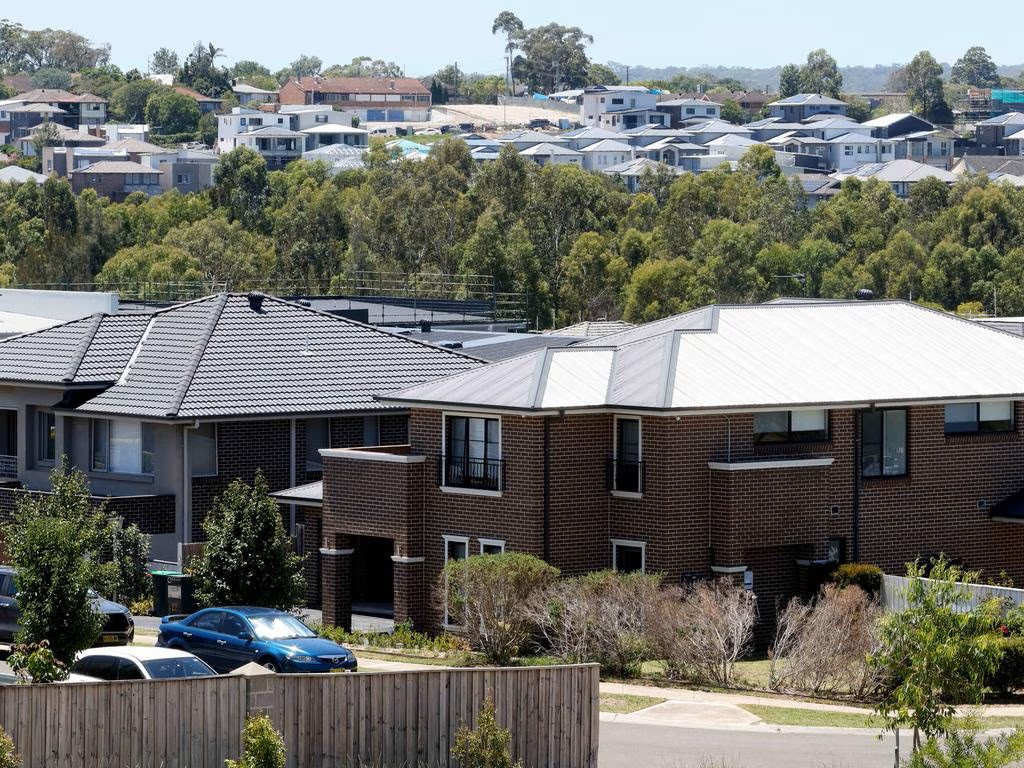
An extra $2bn has been earmarked in the federal budget for critical infrastructure – such as roads, water, power and sewerage – as part of the government’s efforts to propel housing construction.
The Local Infrastructure Fund will offer support for up to 65,000 homes to be built over the next decade.
Funding will go to local governments and state utility providers, with $500m reserved for regional Australia.
Mr Chalmers described Labor’s housing plan as “pro-aspiration” and “pro-investment”.
Housing Minister Clare O’Neil described the funds as intending to “literally lay the foundations for our country to build more homes”.
A further $500m will also be spent on speeding up approvals for housing, energy, and critical minerals projects.
That includes $105.9m over four years to provide better access to information, including through the use of artificial intelligence.
Picture: NCA NewsWire/John Appleyard.
Capital gains tax (CGT) discount
Mr Chalmers is poised to axe the CGT discount as parts of efforts to tackle “intergenerational inequity” in the housing and tax systems.
CGT is paid on the profit made when an asset sold has increased in value. In 1999, the Howard-Costello government introduced a controversial 50 per cent CGT discount for property owners who hold an investment for more than 12 months.
This will likely be scrapped, with Nine newspapers reporting the government may return to the Hawke-Keating model, which only applied CGT on an asset’s real gains, taking into account inflation, rather than nominal increases.
A Greens-led senate inquiry found in March that the CGT discount skewed home ownership towards investors, disproportionately benefiting wealthier Australians and distorting productive investment.
Alongside CGT, negative gearing tax breaks are also expected to be wound back. This setting allows investors to deduct rental losses against their salaries and pay lower tax on profits.
Changing both settings – which are expected to be grandfathered – would break a key election promise made by Mr Albanese who vowed in April 2025 not to touch either mechanism should Labor retain government.
Infrastructure
Suburban rail loop
The Suburban Rail Loop East (SRL East) project in Melbourne will receive an additional $3.8bn in federal funding as part of the budget, bringing the Albanese government’s total investment to $6bn.
The SRL East is a 26km underground orbital rail project, designed to run through Melbourne’s eastern and southeastern suburbs.
It is set to connect major employment, education and health precincts around the city.
Mr Albanese described the project as a “game changer” for Victoria.
Defence
Counter terrorism
A Counter-Terrorism Online Centre will be established at the cost of $74m in a venture jointly led by ASIO and the Australian Federal Police.
Funding for the centre is part of an $80m package to enhance online counter-terrorism capabilities and to prevent violent extremism and youth radicalisation. The government warned violent extremists were increasingly being radicalised online, including through video game platforms and private chatrooms.
Armed forces
Defence spending will increase by more than $53bn over forward estimates in the next decade, as part of the 2026 National Defence Strategy (NDS).
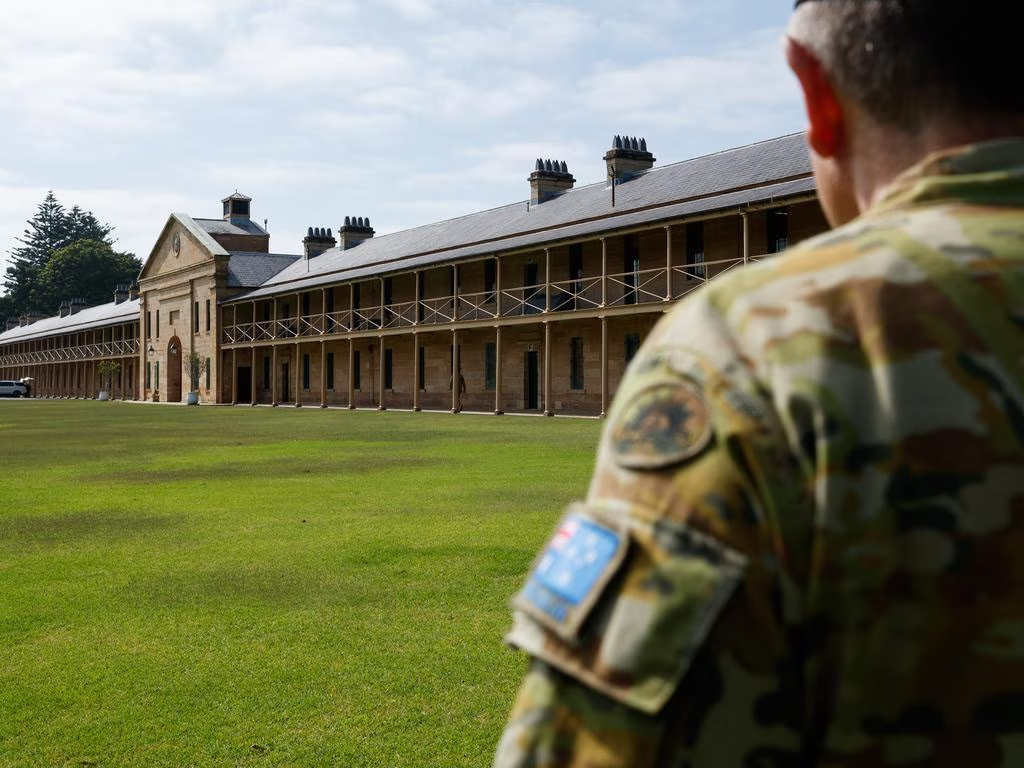
The increase will be funded partly by the sale of valuable military land.
Total funding across defence will be at $887bn, according to the plan, with about $425bn allocated funding for defence capabilities set out in the 2026 Integrated Investment Program – an increase of more than $150bn since 2020.
The NDS was a “clear-eyed assessment of a more dangerous and uncertain world and a confident response to it”, Defence Minister Richard Marles said at the time.
“It puts Australia on a path to strengthen our defence self-reliance,” he said.
“It reinforces the industrial and national foundations of defence, and it situates Australia firmly within a network of trusted regional and global partnerships.”
The strategy was unveiled just weeks after the US and Israel attacked Iran.
Mr Marles said at the time the funding boost reflected Australia having to face “its most complex and threatening strategic circumstances since World War Two”.
Email: rebecca.cox@news.com.au