Personal‑care fees axed as Support at Home overhaul continues
Advocacy groups have welcomed the changes but warn there is plenty more to be done to reform in-home care
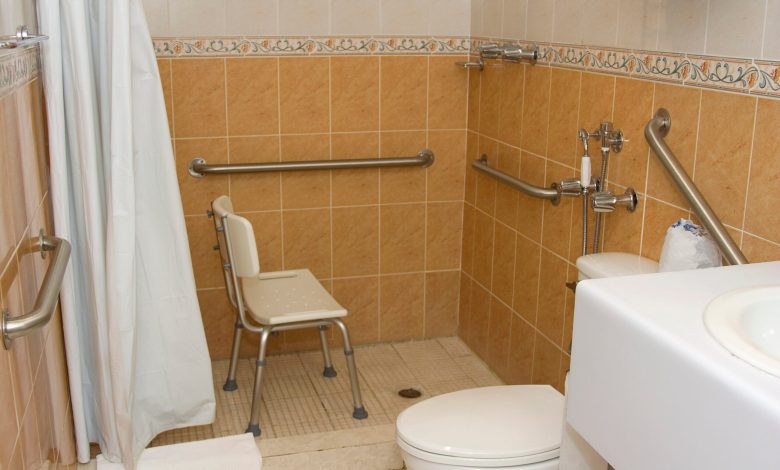
The Albanese government has announced that the current co-payments for aged care services such as showering, dressing and continence care, will be scrapped from October 1.
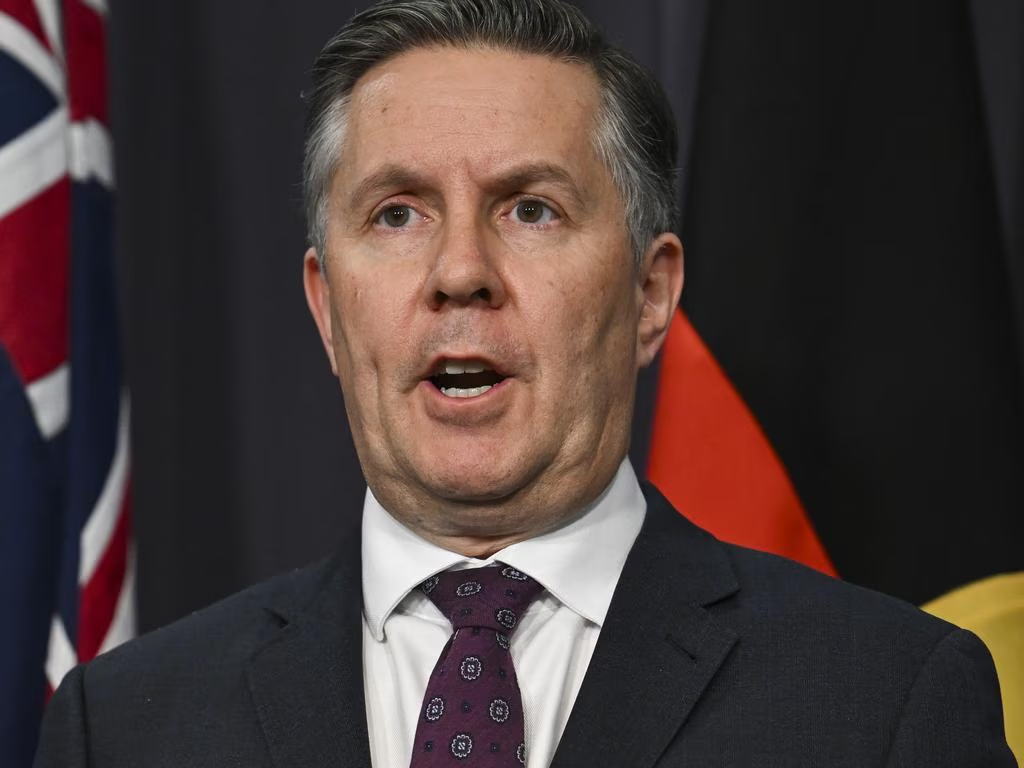
Minister for Health and Ageing Mark Butler confirmed on Wednesday that, as part of the upcoming federal budget, these essential personal care services will be moved to the Support at Home program’s clinical care category.
“The changes respond directly to feedback from older Australians, their families, advocates and providers, who have made it clear that these personal care services are essential for people’s independence and ability to stay at home,” the government said in a statement.
“Showering, dressing, continence care – these aren’t optional extras, they’re the basics of ageing with dignity and no older Australian should miss out because of cost,” Aged Care Minister Sam Rae said.
“Older Australians, their families and providers told us these services needed to be protected. We’ve listened and we’re acting.
“As our population ages, we’ll keep doing the work to make sure the system is strong enough, and fair enough, to meet the moment.”
The changes come as the Commonwealth ombudsman investigates the way Australians are assessed for in-home aged care, following increased pressure from members of parliament.
Independent Senator David Pocock, with support from the Coalition, the Greens and the entire crossbench, delivered a letter to Minister Rae four weeks ago, urging the Albanese government to take a more proactive approach to the growing problems in the Support at Home program, which included re‑categorising bathing, showering, dressing and continence care as Clinical Care.
Other recommendations included restoring human oversight to aged‑care assessments, reviewing whether essential daily activities have been appropriately classified given their importance to older people’s dignity and independence, and examining the impact of the 10 per cent case‑management fee cap, which is reportedly driving up service prices.
Senator Pocock claimed that the transition to Support at Home at the end of last year has left older Australians worse off.
“We have to do better than this as a country at looking after every generation, from youngest to oldest,” Senator Pocock said.
“Our hospitals cannot take the strain of a broken aged care system, and we all pay the price if we don’t provide older Australians with affordable support to age at home.”
More to do
Industry peak bodies, including the Older Persons Advocacy Network (OPAN) and Council on the Ageing (COTA) Australia, have said there is more to be done to rectify issues in the aged care sector.
COTA Australia acting CEO Corey Irlam said the expansion of clinical care supports corrects a problem that should never have existed.
“Basic care like showering should never have been treated as an optional extra in aged care,” he said.
“Returning crucial supports like showering and dressing into clinical care, where they are fully government funded, is a welcome ‘win’ for older people.
“It removes the price tag anxiety many older people have raised with their MPs and puts the focus back on the person and the care they need.”
More on this: Ombudsman probes home care assessment tool | Government faces backlash over aged care algorithm | Sector pushes to keep CHSP
OPAN director of policy, education and systemic advocacy Samantha Edmonds welcomed the change and the “significant difference it will make to the lives of older people.”
“It is clear, from what we’ve been hearing from older people and advocates, that many older people feel worse off under the Support at Home program, which contradicts the intent of the new Aged Care Act,” she said.
“This is a welcome step, but it does not address other significant issues older people are facing under Support at Home including long wait times for assessment.”
Email: rebecca.cox@news.com.au