
Robotic pets show promise in dementia care, ethics must catch up
The rapid uptake has outpaced the development of clear guidelines, leading to inconsistent practice between facilities and individual staff
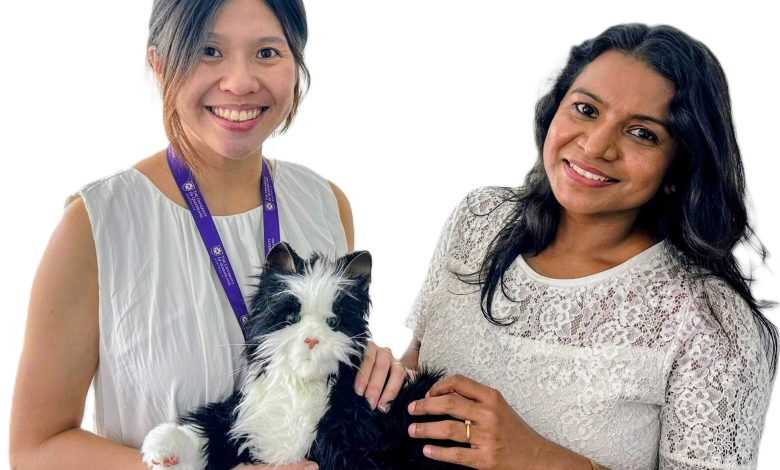
As robotic pets and virtual reality headsets become more common in aged care homes, Australian researchers are warning that the sector is moving faster than the ethical guidance needed to use these tools safely and respectfully.
A research team from the University of Queensland is leading a two‑phase study to understand how people with dementia, their families and aged care staff perceive the ethical dilemmas surrounding these “simulative technologies” – tools that mimic real‑world experiences to support psychosocial wellbeing.
Their work aims to address a gap in the global debate, where ethicists and academics have long debated the pros and cons of deception, autonomy and psychological harm, but the voices of people living with dementia have been largely absent.
Study lead Dr Wei Qi Koh said there is a growing need for a framework to guide the responsible use of simulated technologies in aged care homes.
“We need to use technology ethically at every stage – from carefully considering who it’s appropriate for and getting the right consents, to using it responsibly and planning for how to phase it out if needed,” she said.
Growing reliance on simulated experiences
From robotic cats and dogs to immersive VR environments, simulative technologies have surged in long‑term aged care settings. They might be utilised by staff in response to workforce shortages or the daily challenges of managing behavioural and psychological symptoms of dementia.
Evidence shows these tools can reduce agitation, lift mood and encourage social engagement. But the rapid uptake has outpaced the development of clear guidelines, leading to inconsistent practice between facilities and even between individual staff.
UQ researcher Divya Anantharaman said resident responses to these tools also vary widely.
“Some people living with dementia enjoy interacting with a robotic pet, while others may find them childish or infantilising,” she said.
“Similarly, a VR experience of hiking may delight someone who loves the outdoors, but could bring negative memories and upset another individual.”
Autonomy and human care
While debates often focus on whether robotic pets “trick” residents, the research team says the ethical landscape is far more complex.
The study’s early findings highlight concerns about privacy, autonomy, the risk of replacing human care, and the possibility that simulated experiences could inadvertently cause harm or deepen loneliness.
Conflicts have also arisen when a resident’s perception of the tools differs from that of their family and friends.
“Family members may feel uncomfortable seeing a loved one with a robotic pet, even if it brings them joy,” Mrs Anantharaman said.
“Staff often need to navigate these differing views and wants.”
Phase One of the project uses in‑depth interviews and focus groups with people living with dementia, family caregivers, aged care staff and managers.
To ensure people with dementia can meaningfully participate, the researchers are incorporating visual and accessible communication methods rather than relying solely on traditional verbal interviews.
Phase Two will bring these stakeholders together with ethics experts and decision‑makers in a consensus‑building process. Participants will review the ethical issues identified in Phase One, propose strategies to navigate dilemmas, and prioritise the most practical and respectful approaches.
With the number of people living with dementia expected to triple globally by 2050, researchers say the need for ethically grounded guidance is urgent.
The end goal is a resource guide that blends lived experience with expert knowledge to help aged care workers, managers and policymakers make informed decisions about when and how to use simulative technologies, how to obtain meaningful consent, and how to balance technology with human care.
The project’s early findings will be presented at the International Dementia Conference 2026, to be held on 4–5 June at the Hilton Sydney.
Email: rebecca.cox@news.com.au