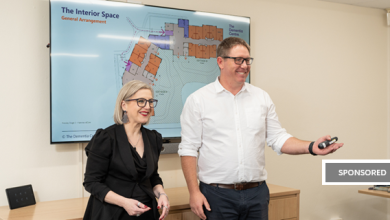
Support at Home is here!
To navigate the changes providers need to think about financial sustainability, compliance, training and getting ready for audits

The highly anticipated aged care reforms are finally a reality.
The new Aged Care Act, Rules and Strengthened Aged Care Quality Standards came into effect on 1 November 2025 under the Support at Home (SAH) program – replacing Home Care Packages (HCP) and Short-term Restorative Care (STRC) programs.
The new program has been designed to place older people at the centre of care to deliver safe and high quality services in a home environment, for as long as the older person chooses.
While the intent of the reform was positive, the impact on existing providers in the sector has been enormous.
Between government pressure to roll-out a new way of working with last minute updates and worried older people and their families asking for answers, providers have been expected to bear the brunt, keep morale high and navigate the changes all while maintaining service continuity.
So, what should providers be focusing on right now?
Budget: A new framework for financial sustainability
As part of the new Act, a completely revised funding and pricing structure was established for Support at Home.
Older people (now referred to as Participants) are allocated a quarterly budget based on their SAH classification, which may include unspent funds roll-over. This model means your pricing must be both accurate and sustainable.
Key considerations when managing your budget:
- Be honest about the real costs of your service delivery – consider direct care, travel, client administration, overheads, training, digital systems, and governance.
- Ensure you are aligned with the revised service categories and pricing expectations under SAH.
- Consider upcoming price caps that are set to come into effect from 1 July 2026.
- Regularly review quarterly cashflow impacts when budgets are released.
- Have in place robust financial controls to ensure accurate claiming, reconciliation, and evidence for claims.

Systems and processes: The backbone of compliance
Under Support at Home, workflows and data integrity are crucial. The strengthened regulatory environment places greater emphasis on transparent care planning, evidence‑based decision‑making, and digital accountability.
Your systems should support:
- streamlined care planning aligned with SAH requirements
- consistent documentation and audit‑ready recordkeeping
- recording and monitoring of serious incidents, complaints, and participant feedback, as required under the Aged Care Act and Code of Conduct.
Well‑designed processes reduce risk, improve staff competency, support audit readiness, and create a safer experience for older people.

Training and communication: The human side of reform
Even the best-designed systems fail without confident, capable people using them. Training must ensure every team member understands:
- their responsibilities and accountabilities of their role
- new requirements under the Act and Strengthened Quality Standards as it relates to their role and
- changes to care planning, documentation and digital workflows the organisation has made to comply.
Competency‑based training with regular check‑ins is essential to confirm that staff feel confident and supported.
Communication matters just as much.
With sector reforms causing anxiety for older people and their families, providers must be proactive. Even if you don’t have all the answers, offering clarity around timelines, changes underway, and next steps can significantly reduce stakeholder stress and prevent misinformation.

Being audit ready: A non‑negotiable requirement
The Strengthened Quality Standards emphasise the rights, choices and preferences of older people, and providers must be able to demonstrate how they uphold these every day.
From 1 November 2025, the Aged Care Quality and Safety Commission will conduct compulsory renewal audits for Support at Home providers, with those in registration categories 4 and 5 assessed directly against the strengthened standards.
Audit readiness means being able to show:
- evidence of compliance with the Strengthened Aged Care Quality Standards
- understanding and application of the Aged Care Act 2024 and its Rules
- documented systems and policies aligned with the Act, Standards and latest Support at Home Program Manual
- workforce capability and training records
- clear governance and continuous improvement practices.
Preparation must begin now, as these audits will check both operational systems and how staff are practically using and implementing them (i.e. what is said on paper, happens in practice). Failure to meet your obligations may result in published audit non-conformities and provider supervision, and in the worst case, suspending or revoking registration.
Need help navigating the changes?

If you’d like support to meet your obligations under the Support at Home Program, Provider Institute is here to help. We assist providers with:
- compliance and governance frameworks
- policy and procedure development and management
- audit readiness and Quality Standards alignment
- compliance monitoring and regular updates.
You can contact us anytime at support@providerinstitute.au for tailored guidance.
Email: rebecca.cox@news.com.au