Dementia is now Australia’s leading cause of death: ABS
The disease has overtaken ischaemic heart diseases and was the cause of 17,500 deaths
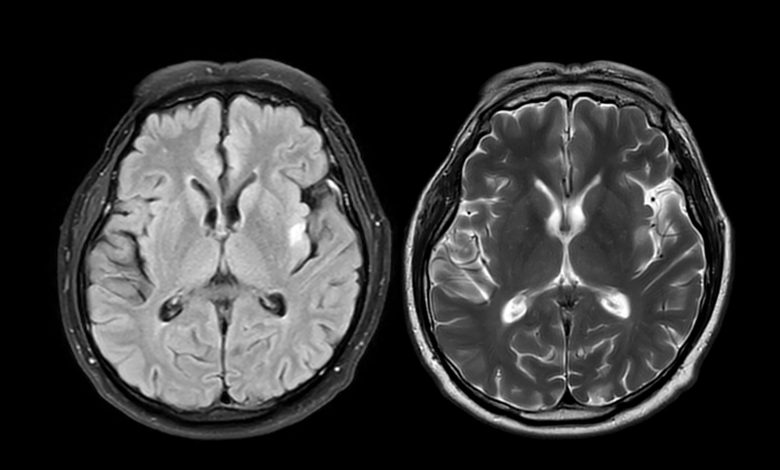
Dementia has surpassed heart disease as the leading cause of death throughout Australia, according to the Australian Bureau of Statistics (ABS).
In 2024, over 17,500 deaths were from dementia, including Alzheimer’s disease, which accounted for 9.4 per cent of all deaths nationwide.
Approximately 95 per cent of those deaths occurred in people aged over 75.
Lauren Moran, ABS Head of Mortality Statistics, said the number of deaths caused by dementia had increased by 39 per cent over the past decade.
“People are now more likely to live to an age where they have a higher risk of developing dementia,” she said.
“This is especially true for women who have longer life expectancies. Today’s data shows that 62.4 per cent of people who died from dementia were women.
“We’ve also seen that dementia has been the leading cause of death for women since 2016.”
Ischaemic heart diseases, which result from the heart being deprived of oxygen, have reached their lowest levels since the ABS began tracking this data 10 years ago.
Since 2015, deaths from ischaemic heart diseases have fallen by 18.3 per cent.
For premature deaths, classified by the ABS as people aged from one to 78 years, the primary causes were suicide and coronary heart disease.
In 2024, 68.2 per cent of deaths happened among those over 75 years old.
The ABS report states that an ageing population has led to changes in “patterns of mortality”.
“While the leading causes of death for those aged over 75 years closely resemble the [overall] population, some diseases present differently,” the report said.
“Mortality in this age group has become more complex.”
Dementia was the primary cause of death for men over 85, whereas ischaemic heart diseases remained the leading cause for men aged 75-84.
There were 16,620 deaths from dementia among people aged 75 and over.
However, Ms Moran noted that part of the increase might be due to population growth and a higher likelihood of doctors recording dementia on death certificates.
“When we look at it from a death-rate point of view, it’s more steady,” she said.
“It is mostly occurring in women, so 62 per cent were deaths in women.
“Women and men have both had increasing life expectancies over a long period of time, and so people are likely to have far more conditions listed on their death certificate.
According to an ABS report earlier this month, the national life expectancy in 2022-2024 was 81.1 years for men and 85.1 years for women.
From 2020 to 2022, the life expectancy for Aboriginal and Torres Strait Islander men was 71.9 years, and for women, it was 75.6 years.
She pointed out that people with dementia could also have coronary heart disease, hypertension, and cancer.
About 80 per cent of those who died from dementia had additional diseases and conditions listed on their death certificates.
When asked how people die from dementia, Ms Moran said that often people will have issues with swallowing.
“We may see aspiration pneumonia, kidney failure, those really direct causes that are related to issues with swallowing … or having that weakened immune system,” she explained.
‘Need to act now’
According to Dementia Australia CEO Professor Tanya Buchanan, this data highlights the urgent need to invest in public health strategies for brain health and dementia-risk reduction, while offering more targeted support for those affected by dementia.
“We need to act on dementia now. At a community level, we need to increase awareness of dementia and brain health, reducing the stigma experienced by so many impacted by dementia,” she said.
“Across health, aged, disability and community care sectors, we need to ensure quality dementia care, with palliative care tailored to the needs of people living with dementia, their families and carers at the end of their life.
“Although there are things we cannot change, like getting older or genetics, we now know that up to 45 per cent of dementia cases globally could be prevented or delayed by addressing modifiable risk factors.”
Email: rebecca.cox@news.com.au