“Still me” : Living with dementia, not defined by it
“What a lot of people don’t understand is that if 20 people are diagnosed with the same type of dementia, not one of them will experience it the same”
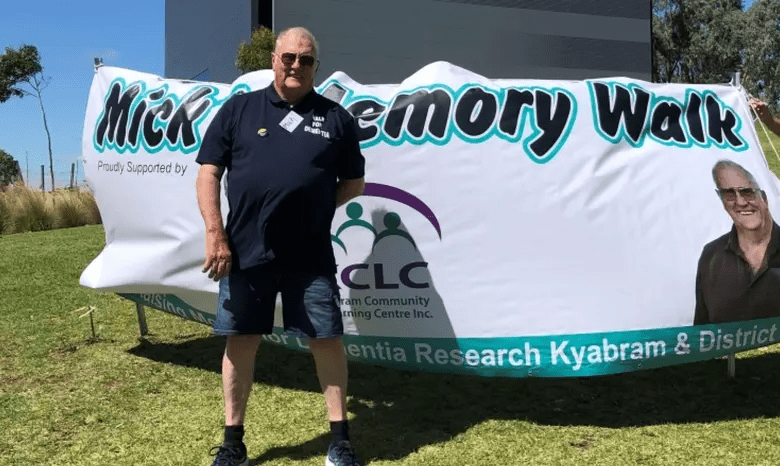
I’ve built and still run my own tractor slashing business. I’ve served on community committees, and I’ve worked my whole life in the transport industry. I keep active, I stay involved in my rural town of Kyabram and surrounding districts, and I live with dementia.
I’m a proud member of the Don’t Demention It initiative and the Dementia Voices Alliance. Through the support group, and with Kyabram Community and Learning Centre and Kyabram District Health, I speak up and speak out about what it’s really like to live with this disease.
And this is what I want people to understand:
For many of us, the battle with dementia begins well before the formal diagnosis. It starts with questions. Unsettling changes. A creeping sense that something isn’t quite right, and the long, frustrating journey to get answers.
Then the confirmation comes. A diagnosis. The next nine to twelve months are incredibly hard. We try to come up with ways to fix the problem, which, at that stage, is still in its infancy, while listening to people tell us what we should and shouldn’t do.
But what a lot of people don’t understand is that if 20 people are diagnosed with the same type of dementia, not one of them will experience it the same. It attacks both mind and body, the way we think, act, walk, communicate, and work.
When first diagnosed, we are still us. We can still work, contribute, love, think, move. But many think we should stop. That we should step back, give up.
And to that I say: why?
We need to keep our minds and bodies working. Most of the time, we don’t need to be told what to do, we might just need a hand with what we already do, as time goes on.
For me, this disease is a mix of depression, diabetes, pressure in the head (not headaches), slower movement, intense emotions, dizziness and, of course, memory loss.
But probably one of the hardest things is losing faces, the faces of friends and family. That would be close to the top of the list. It might not happen every day, but it becomes more common over time.
Sometimes, I’m bedridden for a day or two a fortnight, or maybe a week. My body and mind shut down, the energy just isn’t there. And when I do get back up, the noise of voices can be overwhelming. But still, I get up and smile, trying to say: “I’ve got to keep going,” or “I’m not as bad as others, so let me show the world I’m okay.”
There’s a lot of deception and stigma around dementia. We say we’re okay, even when we’re not. And stigma makes many of us keep it hidden from the people closest to us.
There are more than 160 types of dementia, and that number is growing. Dementia is not just something that happens to people over 60. Kids, young adults, people in their 30s, 40s and 50s are being diagnosed.
Again I ask: why?
And that’s why we, those of us living with dementia, need to come out and talk to each other. To say: “I can help you. Can you help me understand?”
It’s been 65 years. Where is the cure?
I sit here tonight as I’m trying to write this column with wonder, confusion and worry for the near future, because now it’s getting harder to recognise the days.
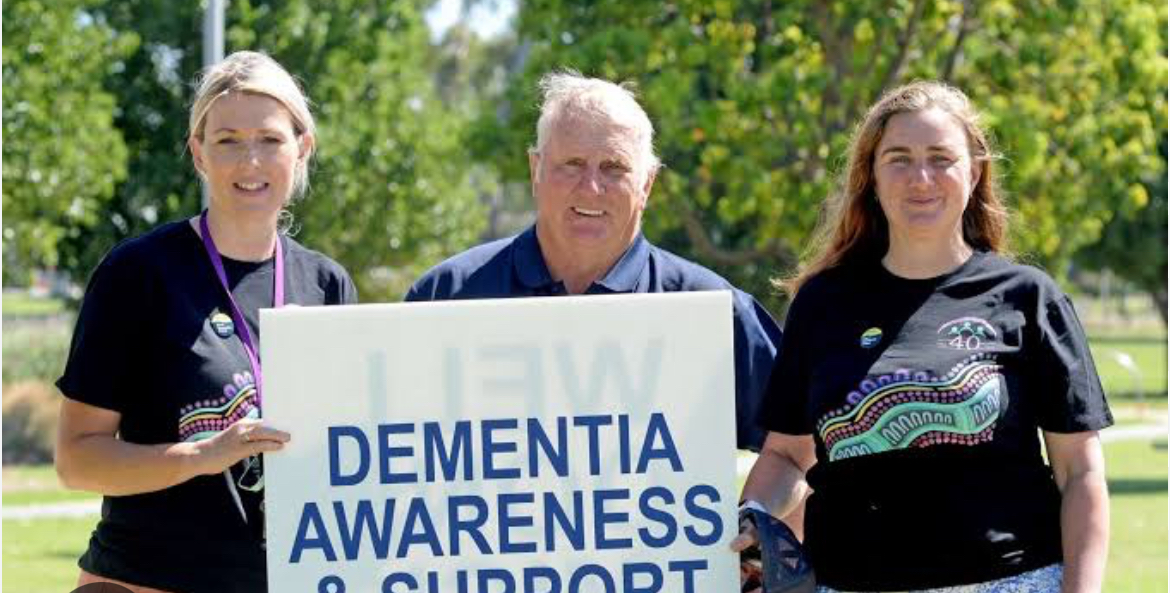
Picture: Supplied.
I have four good friends who won’t be with me this time next year. All of them have dementia. All of them are trying. All of them still matter.
We talk to doctors about medications. But what’s really on my mind is this: how long do we get to live as our full selves?
Governments do give, yes, but most of it is for carers and aged care. I’m 120 per cent behind carers. But I have a real problem with governments that don’t recognise the person behind the dementia diagnosis.
When money is released, it almost always goes into carer programs. Then comes the confusion of paperwork, transfers, admin, all while the person with dementia is just trying to stay steady.
Where are the professionals? Where are the researchers? Where is the help when you get that referral, only to wait three, four, five months or more?
Are we meant to just hope we land in a good nursing home?
Why is it too hard for governments to open their minds and their ears?
We may have dementia, but we still think. We still feel. We still love. And we still worry, we are still here.
So instead of guessing what tablet to give us next month, or funnelling money into admin, come talk to us. Help us help others.
Universities are working with Dementia Australia, but more pressure and more voices are needed.
I’m tired of people putting dementia in the ‘too hard’ basket. Tired of it being ignored, or quietly pushed aside.
We have lives before nursing homes, too.
Dementia is a lifelong disease, not just an old person’s disease. We have the right to live with dignity, and we hurt just as much as anyone else.
To the government, any government, of any party, I say this: have the guts to come and ask. We’ll tell you what we need.
And until there’s a cure, we’ll keep living. We’ll keep speaking, and we’ll keep trying.
We are still here.
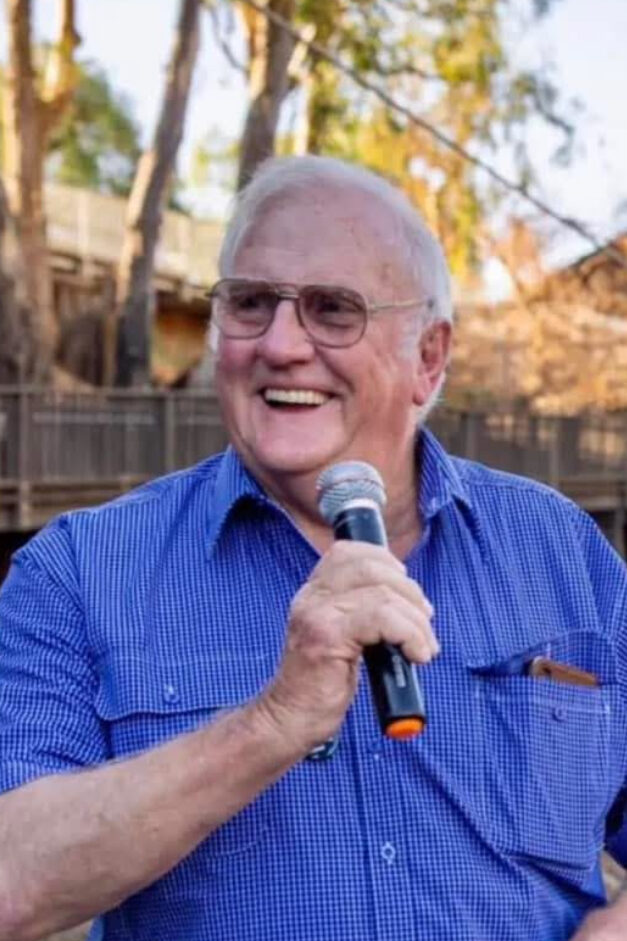
Mick Simpson is a Kyabram local and member of the Don’t Demention It support group and the Dementia Voices Alliance.
In 2022 he walked 210km from Kyabram to Melbourne Parliament House to raise funds and awareness for dementia, and received the COTA Victoria Senior Achiever Award that same year.
Email: rebecca.cox@news.com.au